


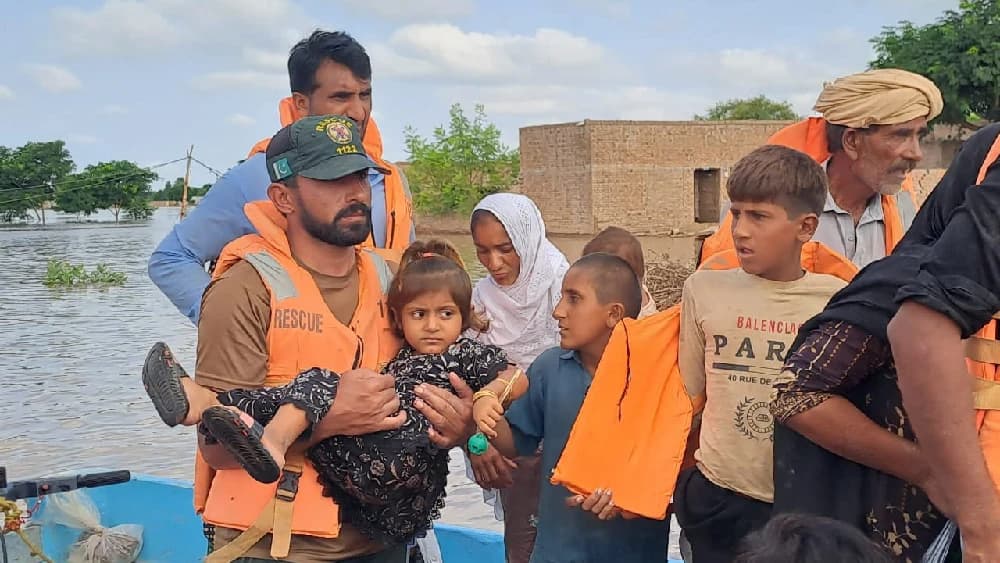
ISLAMABAD: The United Nations has set aside $64.9 million for Pakistan under its 2026 global humanitarian appeal, aimed at assisting 1.9 million vulnerable people in the South Asian nation.
The UN and its partners on Monday launched the $33 billion appeal, which prioritizes life-saving support for nearly 87 million people next year, according to the Office for the Coordination of Humanitarian Affairs (UNOCHA).
The plan seeks to ultimately reach 135 million people across 50 countries through 23 national operations and six regional refugee and migrant response plans.
The appeal, titled the 2026 Response Plan and branded “Life by Life,” allocates funding for countries hit by conflict, climate-driven disasters, epidemics and economic shocks.
UNOCHA noted that nearly 98 million people received assistance in 2025 despite deep funding cuts and rising attacks on aid workers.
The largest individual appeal is for the Occupied Palestinian Territory, where $4.1 billion is required to support 3 million people facing extreme levels of violence and destruction.
Sudan, home to the world’s biggest displacement crisis, needs $2.9 billion for 20 million people, while Syria accounts for the largest regional plan at $2.8 billion for 8.6 million people.
UNOCHA warned that humanitarian operations have come under severe strain after global funding dropped to a 10-year low in 2025, leaving 25 million fewer people reached compared to the previous year. Over 320 aid workers, mostly local staff, were killed amid conflict and insecurity, the agency said.
“This appeal sets out where we need to focus our collective energy first: life by life,” UN humanitarian chief Tom Fletcher said, adding that the 2026 plan aims to shift more resources to local organizations and put assistance directly into the hands of affected communities.