


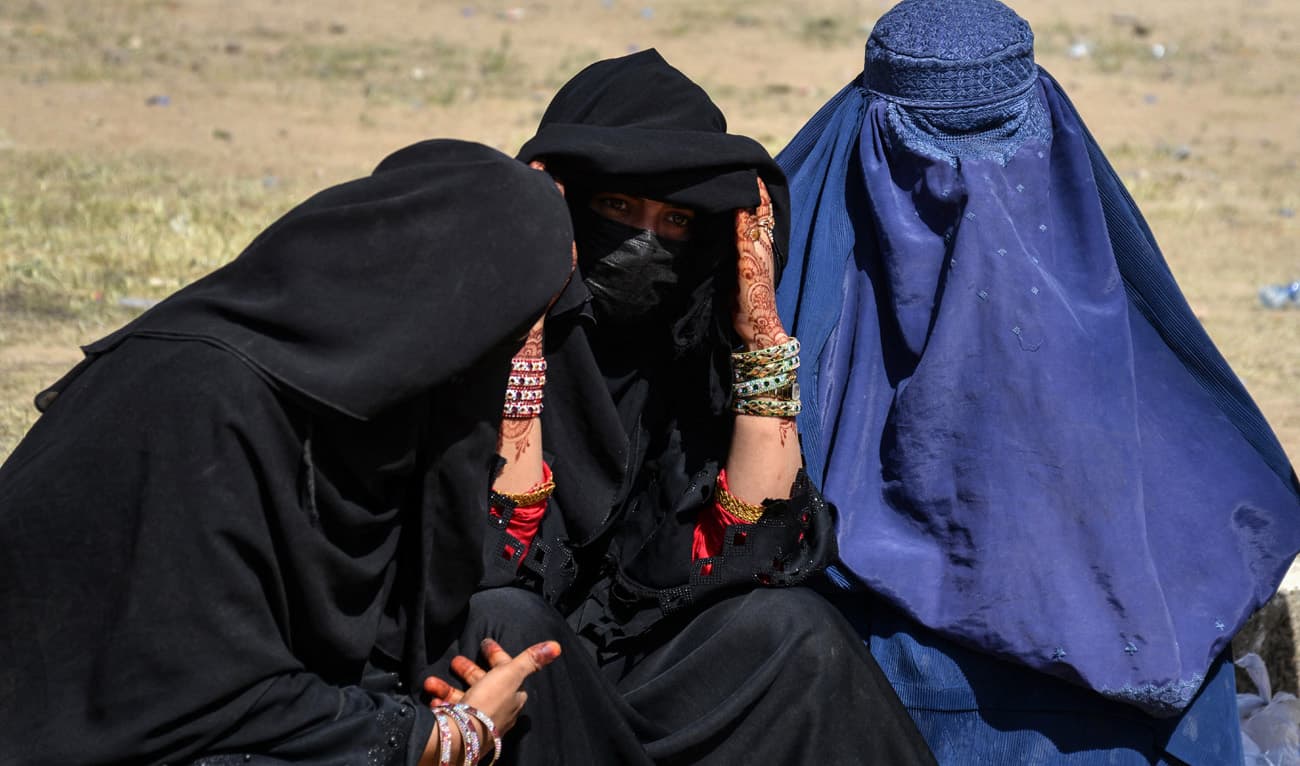
ISLAMABAD: Afghanistan’s deepening food crisis has pushed some families to marry off their daughters at an early age to secure money for food, according to a report by the Famine Early Warning Systems Network (FEWS NET).
In its latest “Afghanistan Food Security Outlook, February-September 2026,” the organization said poor households facing emergency-level food shortages have adopted extreme coping measures, including arranging early marriages for underage girls to obtain cash for basic necessities.
The report notes that the practice has been observed in several provinces, including Faryab, Ghor and Daykundi.
According to FEWS NET, a USAID-funded program, emergency-level food shortages represent the stage just below famine on the international food security scale. Families in affected areas are also resorting to distress sale of assets, borrowing at high interest rates and begging to survive.
The report estimates that between 10 million and nearly 11 million people in Afghanistan will require humanitarian food assistance at the peak of the lean season between February and April 2026, one of the highest levels recorded since 2014.
The crisis has been exacerbated by four consecutive years of drought between 2021 and 2025, which have severely depleted rural households’ savings, livestock and agricultural resources.
By early 2026, the availability of daily wage work had declined by 26% compared to the previous year, while the purchasing power of unskilled labor, measured in wheat, dropped by about 40% year-on-year, further reducing families’ ability to buy food.
FEWS NET also reported that a surge in returning Afghans has intensified pressure on the labor market. Around 287,000 people returned to the country in the first weeks of 2026, increasing competition for limited jobs and pushing wages even lower.
Humanitarian assistance has also been constrained. According to the report, the World Food Program reached about 2.7 million people under its winter assistance program between December and January, but provided three months of food rations instead of the usual five months due to limited resources.
Aid deliveries in remote provinces such as Ghor, Daykundi and Nuristan ended before the harsh winter peak, leaving many isolated communities without support during the coldest period.
Even with the wheat harvest expected in May, FEWS NET warned that relief may be limited in the worst-affected provinces, where households remain burdened by debt, depleted assets and reduced purchasing power.
The Famine Early Warning Systems Network, established by the United States Agency for International Development in 1985, monitors food security conditions and provides early warning of potential famine and hunger crises around the world.