

ISLAMABAD: Afghanistan’s humanitarian crisis has shifted from scarcity to poverty, with markets well supplied but nearly 22 million people unable to afford food, according to recent humanitarian assessments.
Grocery shelves across the country remain stocked with wheat, rice and cooking oil, yet access is constrained by collapsing incomes rather than shortages. The REACH Initiative’s Quarterly Markets Overview – Spotlight on Supply found that “declining household purchasing power, rather than market supply, is likely to be the primary constraint to access.”
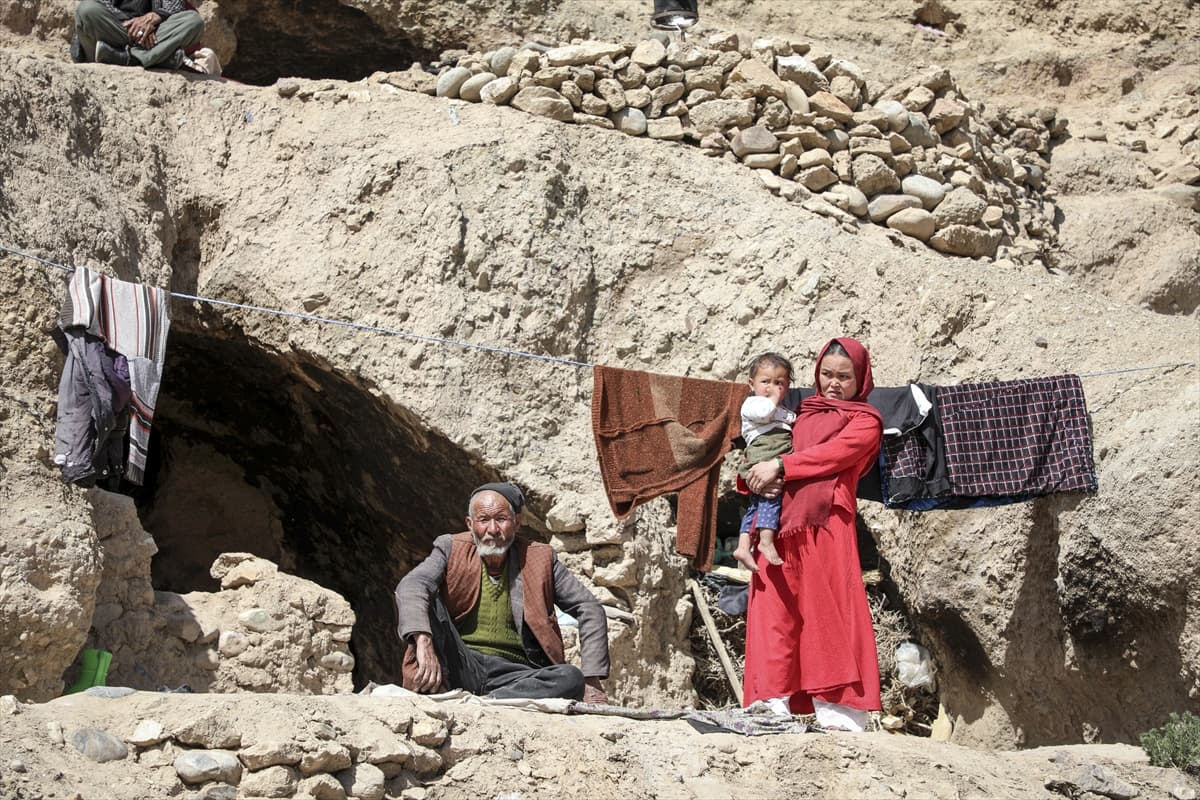
Household earnings fall far below minimum needs. The Whole of Afghanistan Assessment showed the median household earns 8,100 Afghanis ($93) a month. In Ghor province, median income drops to 4,500 Afghanis ($69), insufficient to cover food costs alone.
Earlier this week, the Taliban banned women in Afghanistan’s Nuristan province from engaging in heavy or physically demanding labor, citing the need to prevent what it called “harmful customs and immoral practices.”
The order, announced in a statement on X by Deputy Minister of Information and Culture Muhajer Farahi, enforces the 17th decree of Taliban leader Haibatullah Akhundzada and was described by officials as part of efforts to “reform society, preserve Islamic values, and prevent harmful traditions.”
The data points to a crisis fundamentally different from traditional famine conditions. Supply chains continue to function and goods remain available, but millions go hungry because they lack money, not because markets lack food.
Aid gaps are widening as funding contracts. The International Rescue Committee’s Protection Monitoring Report found that 30.8% of internally displaced people receive no financial assistance. The share of households that have exhausted all aid rose to 19% from 15% in October 2024, according to IOM data.
Financial assistance is now the top priority for 25.1% of households, while fewer than 3% receive food assistance, IPC data showed. One-quarter of Afghanistan’s population faces Crisis-level food insecurity, the IPC analysis found.
Only 20% of households rely primarily on employment, while 37% depend on social transfers and humanitarian aid, the IRC reported. This dependence leaves families acutely vulnerable when assistance is reduced or withdrawn.
Environmental shocks have compounded the economic collapse. Afghanistan entered its fifth consecutive year of drought in 2025, creating a grain deficit of 3 million tonnes, according to FAO data. Agriculture, which provides one-third of food consumption and nearly half of household income, has been severely damaged.
Natural disasters have further strained livelihoods. An August earthquake caused damage exceeding 1% of GDP, World Bank estimates showed. A November earthquake struck areas where one-third of households suffered catastrophic losses.
Humanitarian access has also deteriorated. The UN’s Afghanistan Humanitarian Access Snapshot recorded 107 access incidents in December, up 16% from November. Taliban interference accounted for 84 incidents, or 78%, including restrictions on female aid workers and demands for beneficiary lists. Four incidents involved the detention of 10 aid workers, eight of them women.
Women bear a disproportionate share of the impact. Women-headed households make up 73% of those monitored, the IRC found, while Taliban restrictions on women’s employment, education and movement have created what aid groups describe as a gender-specific economic crisis within the broader emergency.
Displacement continues despite limited prospects for recovery. Nearly 73% of displaced people have been uprooted for more than two years, with a median displacement of 1,095 days, according to IOM data. A further 325,000 people were newly displaced in the three months before October 2025.
“Returns to frontline areas are increasingly ‘induced’ by exhaustion of coping capacities in displacement rather than improved safety,” the IRC report said. Families, it added, are “choosing danger over destitution,” underscoring how economic collapse has overtaken security as the primary driver of movement.
Australia announced $50 million in new humanitarian aid on Wednesday, bringing its total assistance to Afghanistan since 2021 to $310 million, the Department of Foreign Affairs and Trade said.
“The situation in Afghanistan is dire,” Foreign Minister Penny Wong said. “Australia’s humanitarian support will help save lives, alleviate suffering, and meet the basic needs of communities affected by the ongoing Afghanistan crisis.”
Afghan markets remain stocked but poverty leaves 22 million unable to buy
In analyses published by humanitarian agencies, Afghanistan’s markets remain stocked, but collapsing incomes, aid cuts and Taliban restrictions have left nearly 22 million people food insecure, with one-quarter of the population in crisis and median monthly incomes at 8,100 Afghanis.

By Web Desk
January 29, 2026
Topics in this story