


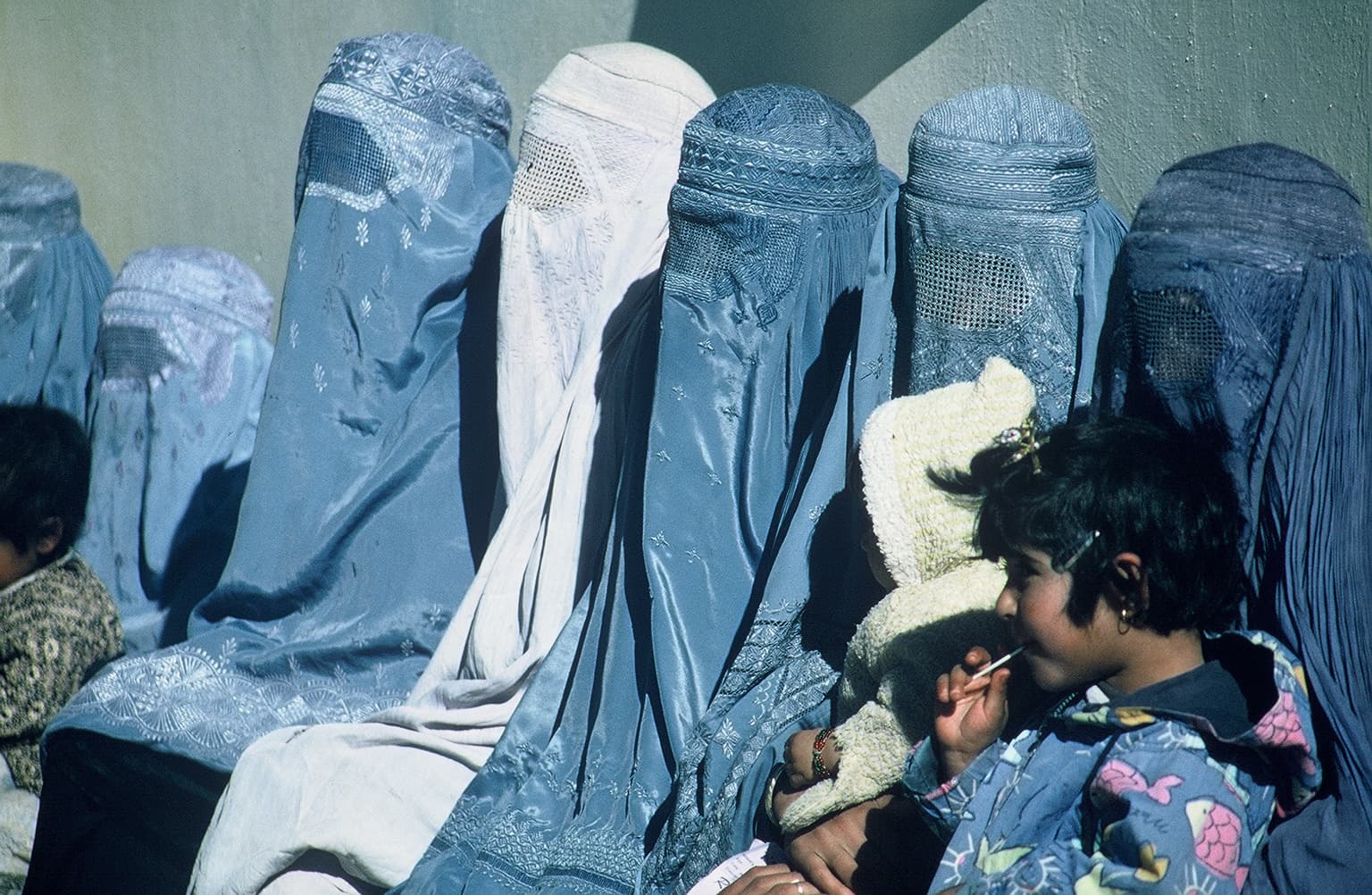
ISLAMABAD: Afghanistan is witnessing a worsening humanitarian and economic crisis as women barred from employment under Taliban policies struggle to survive. Many women who once supported their families now face severe financial hardship, with the loss of income also taking a significant toll on their mental health.
Husna Qaderi, formerly the sole breadwinner for her family, says her life has drastically changed since restrictions on women’s employment were imposed. Unable to work for the past two years, she now struggles to provide even basic necessities.
“After women were banned from working, I was confined to my home,” she said. “This not only worsened my financial situation but also deeply affected my mental well-being. I used to contribute to society and support other women, but now I cannot even support myself.”
Another woman, who asked to be identified as Khatira, described similar challenges. She says the scarcity of job opportunities has left many women unemployed and unable to cover daily expenses.
“Most available jobs are now reserved for men,” she said. “Women are facing devastating psychological and economic consequences. I have been unemployed for a long time and still cannot find suitable work.”
Undermining the future of Afghanistan
Women’s rights advocates warn that the impact extends far beyond individual hardship. Activist Julia Parsi describes the ban as a structural crisis with long-term consequences for Afghan society.
“Depriving women of work is not just an economic issue,” she said. “It has collapsed household economies, removed women from public life, and severely damaged the mental health of an entire generation. These policies undermine not only women’s dignity but also the future of the country.”
Parsi cautioned that while temporary measures such as remote work or financial aid may offer limited relief, they cannot replace women’s full participation in the workforce. Without change, she warned, Afghanistan could face rising poverty, inequality, and long-term loss of human potential.
Economic experts echo these concerns, emphasizing that excluding women from the workforce wastes vital human capital and weakens the country’s economy. According to economist Shakib Ziyaie, households that rely on dual incomes are particularly vulnerable.
“When women lose their income, families immediately experience a decline in living standards,” he said. “This leads to reduced food quality and increased poverty. On a larger scale, excluding women causes market stagnation and greater dependence on foreign aid.”
Taliban's restrictions
Since returning to power, the Taliban have imposed sweeping restrictions on women’s participation in public life, including bans on education beyond sixth grade and employment in many sectors.
The United Nations Development Program has previously warned that Afghan women face extremely fragile economic conditions, with limited access to jobs and financial resources. According to United Nations data, around 75% of the population struggles with food insecurity, while 88% of female-headed households lack access to basic necessities.
As restrictions persist, experts and activists warn that the consequences for Afghanistan’s economy and society could be profound and long-lasting, affecting not only women but the nation as a whole.