


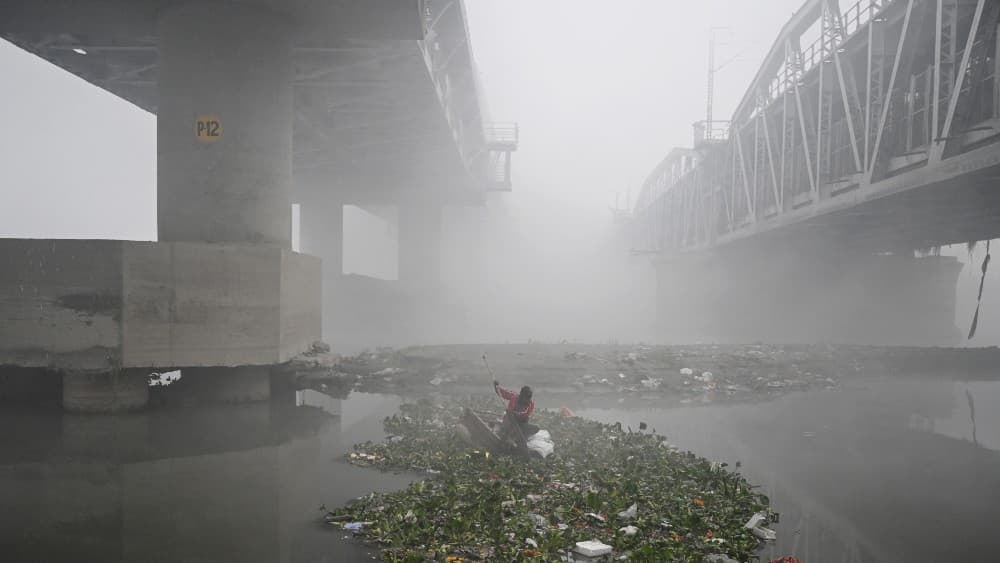
ISLAMABAD: Neighborhoods of India’s capital were submerged in sewage-contaminated water this week following heavy rainfall, triggering widespread criticism over urban infrastructure and governance failures in New Delhi.
Residents shared images and videos on social media showing overflowing drains, waterlogged streets and sewage entering residential areas, raising concerns about public health and basic sanitation in the national capital.
Reacting to the situation, Congress leader Rahul Gandhi said the daily life of an average Indian had turned into “hell,” accusing the system of collapsing under political greed and neglect.
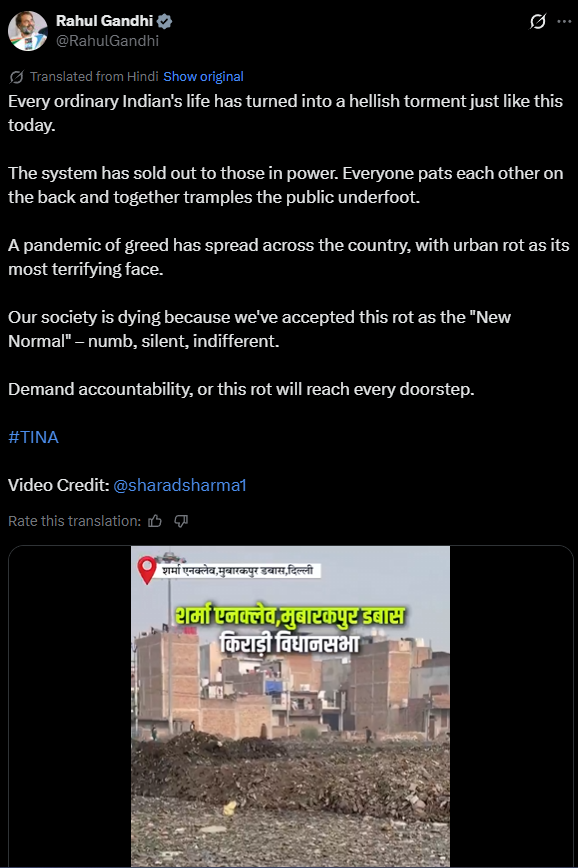
In a post on X, he warned that public acceptance of decay had turned urban breakdown into a “new normal,” and urged citizens to demand accountability.
Congress spokesperson Alok Sharma blamed the Bharatiya Janata Party (BJP) for the crisis, highlighting its long control over key governing bodies in Delhi, including the municipal corporation, the federal government and the lieutenant governor’s office.
“This is India’s national capital,” Sharma said, adding that years of BJP rule had failed to deliver basic civic services.
Others echoed the criticism. Academic Gagan Pratap questioned Delhi’s status as the capital of a projected multi-trillion-dollar economy, claiming that much of the city was in poor condition.
Journalist Natasha Awhad criticized voters for repeatedly supporting the ruling party despite worsening living conditions.
Not all reactions focused on the BJP. Social media commentator Saket accused the Congress of downplaying the role of the Aam Aadmi Party (AAP), arguing that regional political rivalries had also contributed to governance failures in Delhi.
The sewage flooding has once again exposed chronic infrastructure weaknesses in India’s capital, as authorities face mounting pressure to address drainage systems, sanitation and urban planning challenges.