

ISLAMABAD: Israeli military operations forced nearly 90% of internally displaced families in southern Lebanon to flee again in November last year, as hostilities intensified and attacks on civilians and humanitarian infrastructure escalated, according to a protection monitoring report published on UNHCR’s Operational Data Portal.
The report, based on joint monitoring by the Danish Refugee Council (DRC), the International Rescue Committee (IRC) and INTERSOS, documented a sharp rise in security incidents and territorial incursions by Israeli forces.
Investigators recorded 167 violations during November, up from 133 in October.
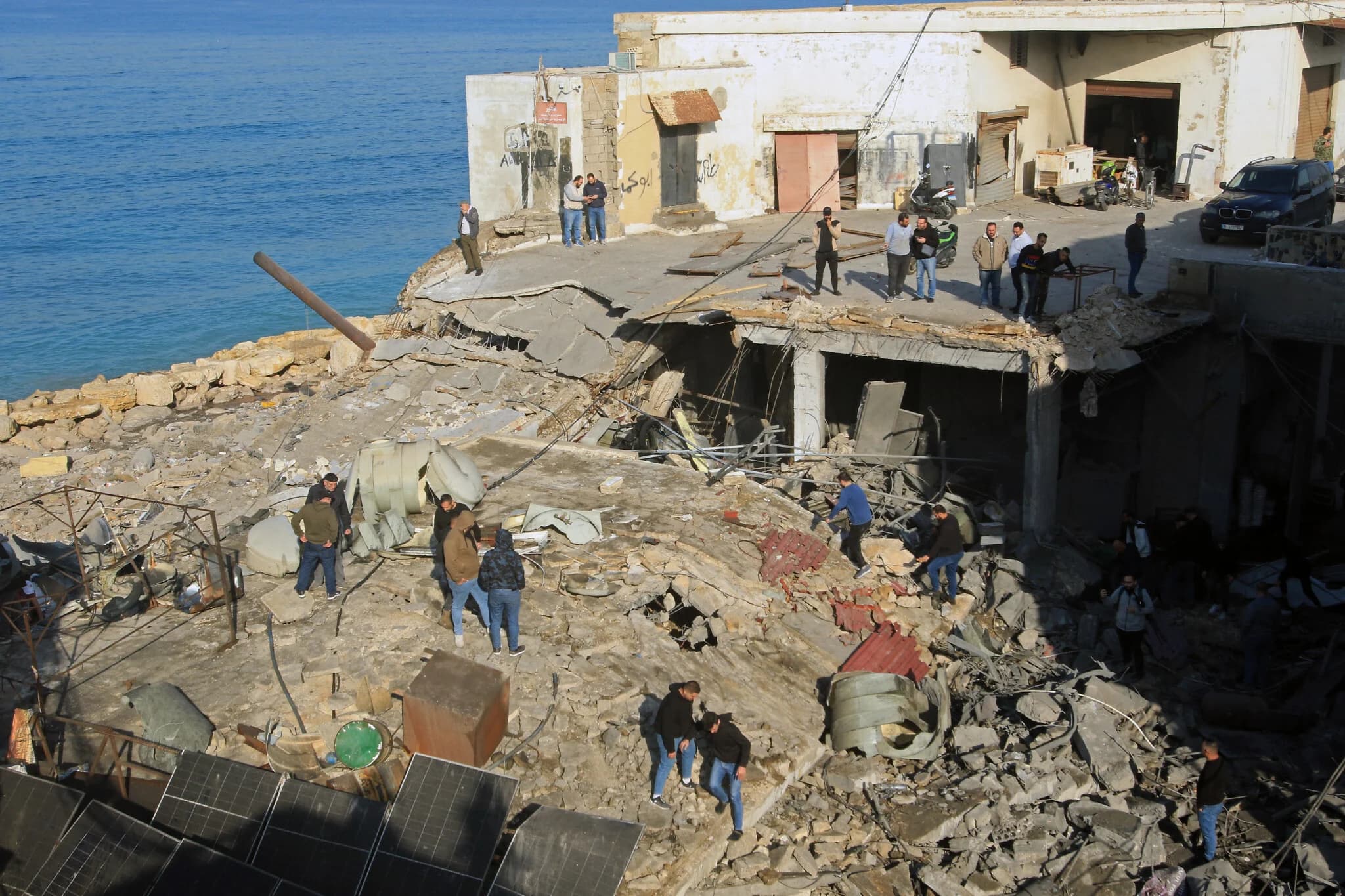
“Reports documented repeated Israeli fire on civilians in Aita al-Shaab and strikes on civilian equipment, alongside a pattern of expanding incursions and the occupation of additional Lebanese territory,” the report stated.
Insecurity and armed conflict emerged as the leading cause of displacement, driving 55% of new movements and overtaking economic pressures for the first time in months. While overall internal displacement fell to 5% of households nationwide, southern Lebanon accounted for the overwhelming majority of cases.
The monitoring teams documented multiple attacks on humanitarian and civilian facilities. "Israeli forces escalated attacks on response mechanisms by striking a Médecins Sans Frontières clinic in Hermel, Baalbak-El Hermel Governorate, while patients were receiving medical care," the report stated.
The report also cited fatal airstrikes, including the killing of a municipal worker while he slept, and bulldozing operations from newly occupied Israeli positions that destroyed homes in Aitaroun. Additional attacks were reported in Talet Hamames, while “reports documented repeated Israeli fire on civilians in Aita al-Shaab and strikes on civilian equipment, alongside a pattern of expanding incursions and the occupation of additional Lebanese territory."
Researchers described a consistent pattern of attacks on civilians, civilian equipment and private property, warning that expanding incursions were deepening humanitarian needs.
The proportion of households reporting multiple displacements declined from 64% in October to 52% in November, though fear of persecution and rising rents remained significant drivers of movement.
Movement restrictions were the most commonly reported safety impact, affecting 56% of households. Beirut–Mount Lebanon and the North recorded the highest levels of safety incidents, at 21% each, with harassment dominating reports in the capital region.
Checkpoint-related incidents rose to 53% in November, from 46% the previous month. Syrian and Palestinian refugee women reported intensified scrutiny. Some “women described being denied passage at checkpoints where they were previously allowed through and being threatened with arrest if they attempted to cross again," the report said.
Access to services deteriorated sharply. Only 60% of households reported accessing services in November, down from 75% in October. Cost was cited as the main barrier by 75% of respondents, followed by service unavailability and long travel distances.
Eviction threats increased to 18% of households, a five-point rise from October, with Syrians accounting for 92% of reported cases. Delayed rent payments surged to 74% as the primary trigger, although actual evictions declined to 27% from 44% the previous month.
Migrants reported exploitative practices by landlords linked to cash-for-rent assistance. The report said how “[L]andlords exploit[ed] cash-for-rent programs: when [aid organizations] pay landlords directly for up to three months, [they] often raise[d] rents afterward,” then evicted families and rented units to new tenants at higher prices.
Legal vulnerability remained acute. Fewer than 19% of non-Lebanese households held valid residency permits, consistent with previous months. The North and Akkar governorates recorded the highest proportion of respondents without residency at 43%, a 13% increase from October.
Households lacking legal status increasingly relied on irregular and exploitative work, which rose to 59% as the dominant coping mechanism, continuing an upward trend since September.
The findings were based on 1,130 household surveys covering 5,676 individuals, alongside 80 key informant interviews and 39 focus group discussions conducted across Lebanon during November 2025.
Israeli attacks drive mass displacement, aid access plunges across Lebanon
Israeli attacks in November 2025 drove mass displacement in southern Lebanon, targeting civilians and aid sites, worsening insecurity, services and housing.

By Web Desk
January 18, 2026
Topics in this story