


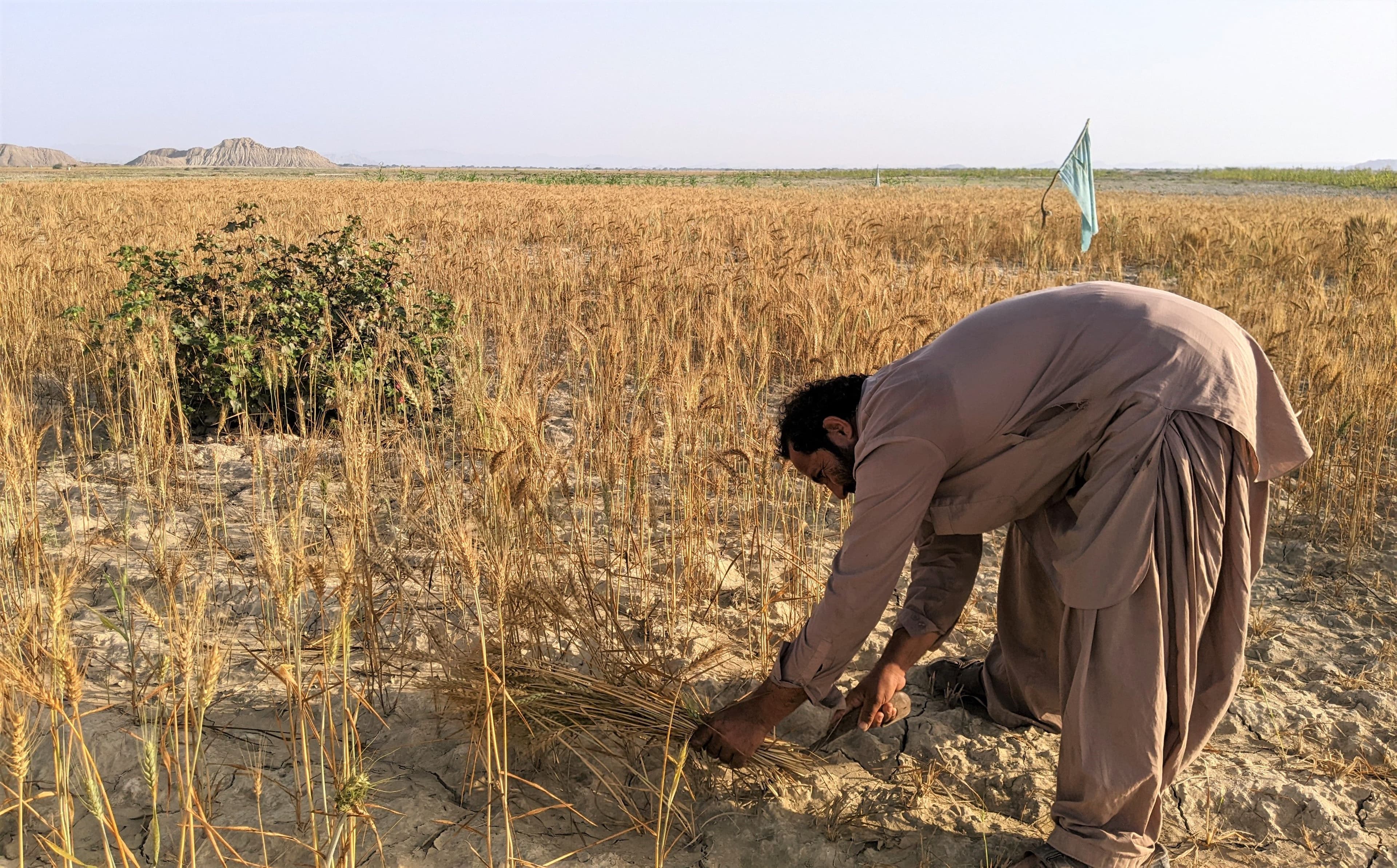
ISLAMABAD: Pakistan President Asif Ali Zardari and Prime Minister Shehbaz Sharif on Sunday called for collective efforts to strengthen food safety standards and ensure access to safe and nutritious food, marking World Food Safety Day 2026.
In separate messages, the two leaders stressed the importance of food safety for public health, food security and sustainable development.
President Zardari urged all stakeholders to promote safe food practices and ensure compliance with food safety standards across the food chain. He said safe food protects public health, strengthens consumer confidence, supports livelihoods and contributes to economic growth.
The president emphasized the need for science-based food safety measures, stronger inspection systems, improved laboratory capacity and greater investment in food safety infrastructure and awareness programs.
Prime Minister Shehbaz Sharif said Pakistan remains committed to ensuring access to safe and nutritious food free from disease and contamination risks.
Referring to this year's theme, “From Burden to Solutions: Safe Food Everywhere,” the prime minister highlighted the importance of preventing and managing foodborne diseases.
He cited a World Health Organization report showing that around 866 million people fall ill annually due to contaminated food, while nearly 1.5 million lose their lives from foodborne diseases worldwide.
The prime minister said Pakistan was pursuing a comprehensive strategy to strengthen food security and agricultural productivity through research, technology, improved seeds, modern farm machinery, better storage facilities and stronger market systems.
According to the prime minister, unsafe food also contributes to reduced productivity, rising healthcare costs, economic losses and disruptions to tourism and trade.
Sharif said Pakistan's agriculture sector, despite being supported by fertile land and significant agricultural potential, faces challenges including climate change, water scarcity, population growth, changing consumption patterns and inadequate research.
He said the Ministry of National Food Security and Research was implementing a range of measures based on agricultural research and technology to strengthen food security, increase productivity and mitigate the effects of climate change.
These measures include the provision of quality seeds, improved access to agricultural inputs, greater use of farm machinery, stronger value chains, enhanced storage facilities and improved market systems.
Both the president and the prime minister called for cooperation among governments, research institutions, the private sector, civil society and citizens to build a safer, healthier and more resilient food system in Pakistan.