


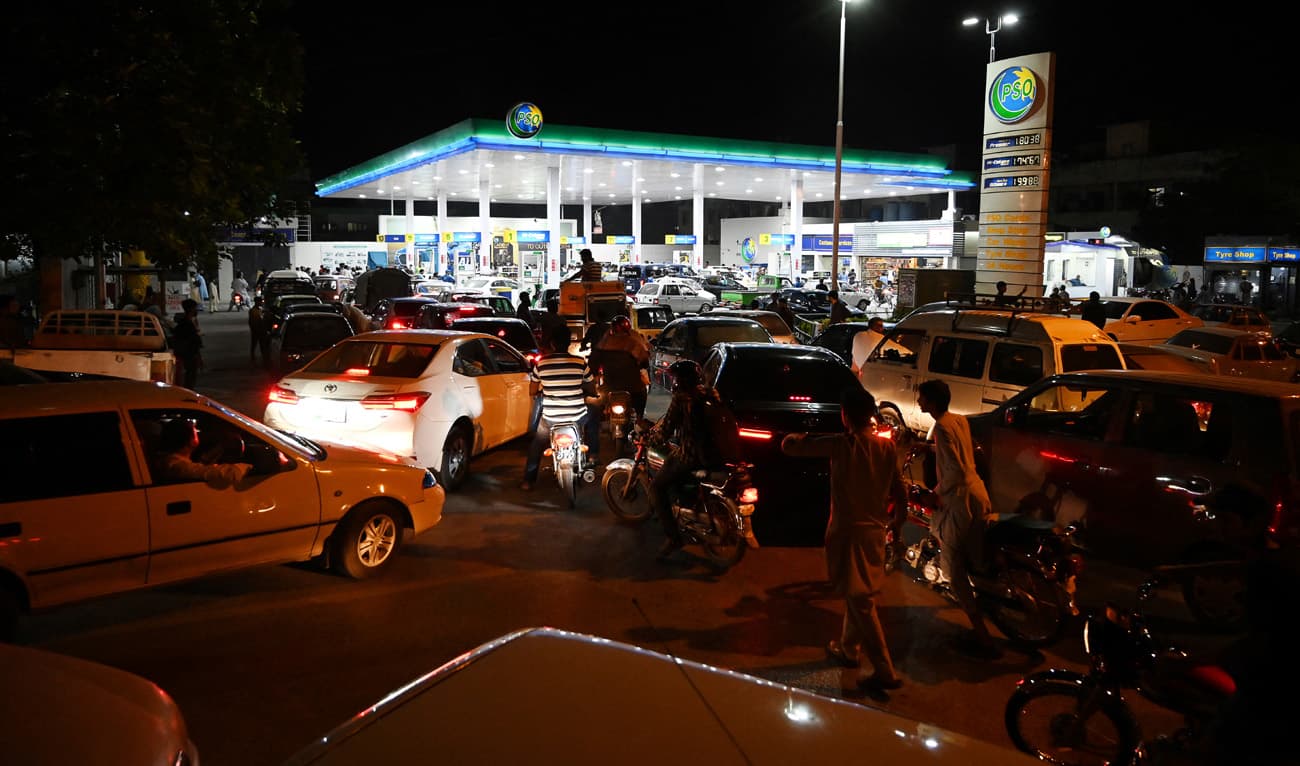
ISLAMABAD: Pakistan is pursuing alternative oil supply routes through Saudi Arabia’s Red Sea port of Yanbu as the widening Middle East conflict disrupts global energy flows and pushes international crude prices sharply higher.
Officials say the move is part of Islamabad’s effort to safeguard energy security after shipping through the Strait of Hormuz, a critical artery for global oil trade, was effectively halted amid escalating hostilities linked to the US–Israel war with Iran.
The disruption has sent shockwaves through global markets.
Amid surging global crude prices, Pakistan raised petrol and diesel rates by Rs55 ($0.20) per liter this week, officials said. Authorities stressed the hike was unavoidable given disrupted energy flows through the Strait of Hormuz and rising international costs.
International crude benchmarks surged this week, with Brent crude rising close to $93 a barrel and US crude climbing above $91, as traders scrambled to secure alternative supplies while shipments from the Gulf remain constrained.
Nearly one-fifth of the world’s oil supply normally passes through the Strait of Hormuz each day, making the closure one of the most significant threats to global energy flows in years.
Against this backdrop, Pakistani officials say rising international prices left the government with little room to absorb the shock domestically.
Petroleum Minister Ali Pervaiz Malik said the government had already taken precautionary steps to preserve fuel availability while monitoring developments in international markets.
“Over the past few weeks, we have preserved petroleum reserves and maintained supply according to our available stocks,” Malik said during a joint press conference in Islamabad.
“There is no doubt that we are going through extraordinary circumstances today,” he added, noting that global fuel prices had increased sharply due to the conflict.
Malik confirmed that Pakistan had approached Saudi authorities to explore the possibility of routing oil shipments through the Red Sea port of Yanbu in order to bypass disruptions in the Gulf.
According to the minister, Saudi officials assured Pakistan that supplies could be facilitated through the port if required.
Officials say such arrangements could provide Pakistan with an alternative energy corridor should instability continue to affect traditional maritime routes.
Deputy Prime Minister Ishaq Dar said PM Shehbaz Sharif had personally reviewed the situation earlier in the day as the government weighed possible responses.
“The prime minister himself chaired a meeting today in which the situation was reviewed,” Dar said.
He said Islamabad was also maintaining diplomatic contact with foreign counterparts amid rising regional tensions.
“We have contacted the foreign ministers of other countries,” Dar said, adding that Pakistan was working with partners to encourage de-escalation.
“We will have to see how long it takes to reduce these tensions,” he said.
Finance Minister Muhammad Aurangzeb said the government was also examining the broader economic implications of the crisis, including its potential impact on Pakistan’s imports and exports.
“We are also reviewing what impact the increase in prices will have on imports and exports,” Aurangzeb said.
He reassured the public that the country currently holds sufficient petroleum reserves and urged citizens not to panic as authorities formulate their response to the evolving situation.
Aurangzeb added that PM Sharif had directed federal authorities to consult with provincial governments to ensure coordinated measures.
Officials say Pakistan’s strategy now focuses on securing alternative supply routes, protecting domestic fuel reserves and maintaining diplomatic engagement as the Middle East conflict reshapes global energy markets and threatens prolonged volatility in oil prices.