


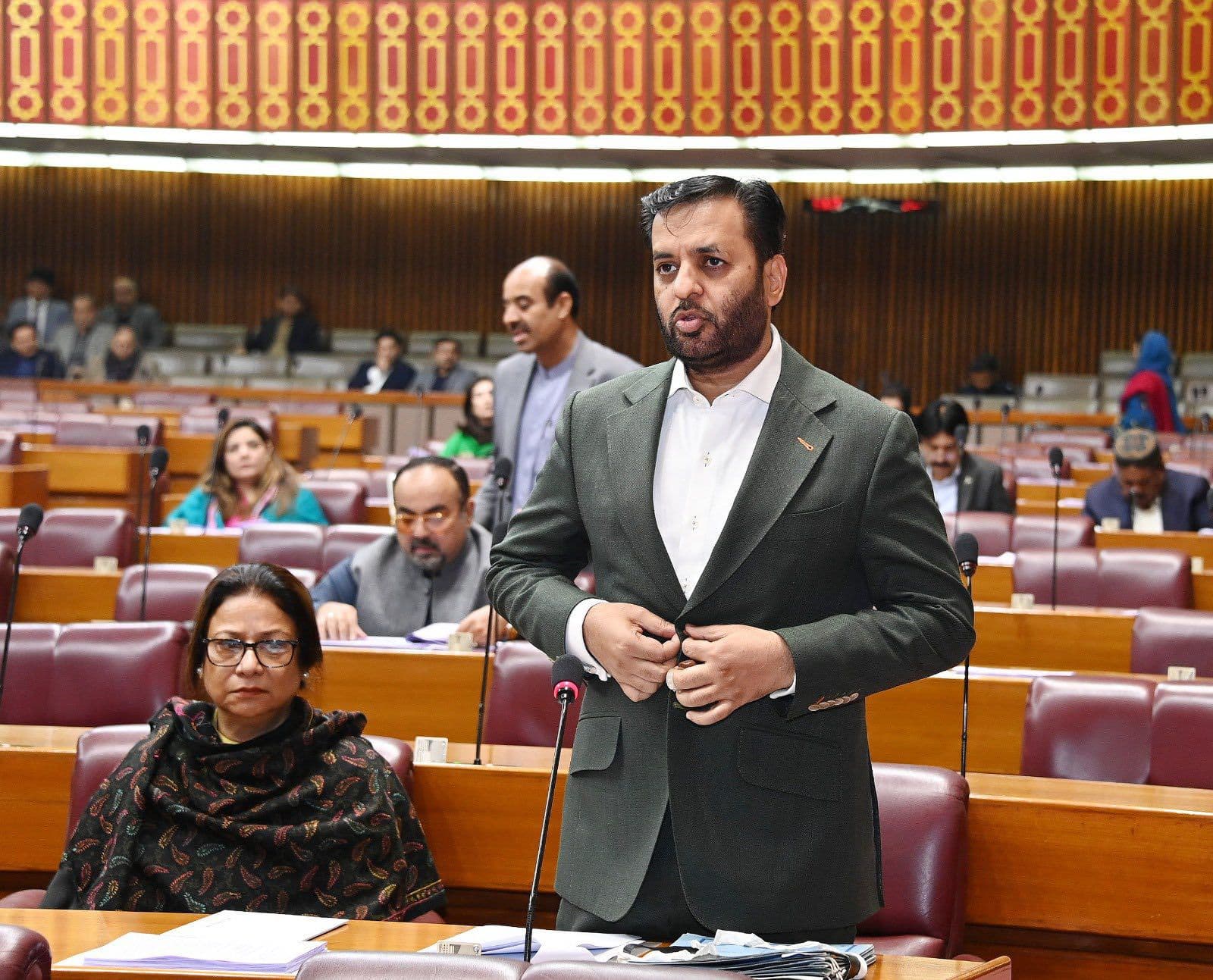
ISLAMABAD: Pakistan Health Minister Syed Mustafa Kamal announced that a nationwide initiative will introduce barcodes on all medicines to combat the growing issue of counterfeit drugs.
Kamal shared this update during the National Assembly’s Question Hour, emphasizing that the new system will enable better tracking and identification of medicines.
“Barcodes will be affixed to all medicines across the country,” Kamal said. “This will help identify and prevent the sale of spurious drugs, ensuring better safety for consumers."
The minister also noted that the barcodes will display essential information, including the price and expiry date of each product.
Additionally, he revealed that a dedicated helpline will be launched soon, enabling consumers to report complaints regarding counterfeit or substandard medicines.
“We are committed to taking all necessary measures to eliminate the sale of counterfeit drugs,” Kamal added.
In response to another query, the health minister outlined the government's plan to launch the Universal Medical Record project. This initiative aims to create a digital record for every citizen's medical history, with a special focus on cancer-related data.
The initiative will integrate citizens’ medical records with their Computerized National Identity Card (CNIC) number, making it easier for healthcare providers to access crucial medical information.
“A command and control center will also be established at the National Institute of Health in Islamabad to oversee this project,” Kamal explained.
The introduction of barcodes and the establishment of a centralized medical records system are part of broader efforts by the government to improve public health infrastructure and ensure greater accountability in the pharmaceutical sector.