


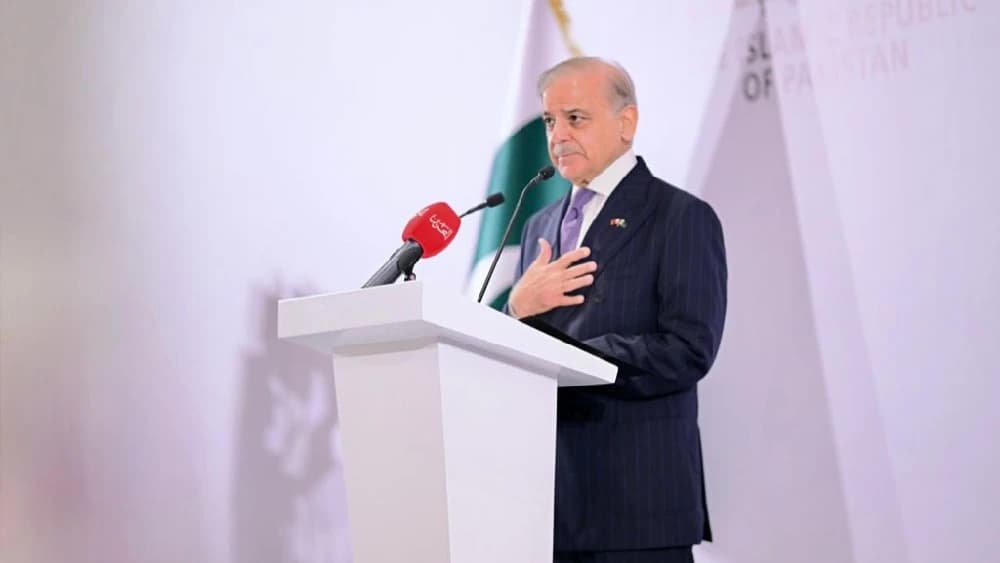
ISLAMABAD: Prime Minister Shehbaz Sharif on Monday called for a decisive and collective effort to tackle HIV in Pakistan, warning that rising infections and limited treatment coverage demand “immediate, coordinated and compassionate action.”
In his message on World AIDS Day, the prime minister stressed that the government is prioritizing prevention, testing and treatment services, especially for vulnerable and marginalized communities. He said stigma and discrimination remain among the biggest barriers to care, urging society to “support, not isolate” people living with HIV.
The prime minister reiterated Pakistan’s commitment to achieving global targets to ensure that those most at risk can access timely diagnosis and lifesaving antiretroviral therapy.
“No one should be left behind,” he said, noting that improved awareness, public engagement, and stronger health systems are essential for reversing the trend.
He highlighted the need to expand early testing, increase treatment uptake, and ensure that essential medicines reach all parts of the country. The prime minister also underscored ongoing work with provincial governments and development partners to strengthen the national HIV response and enhance community-based services.
In April, a UNDP-supported Global Fund report warned that Pakistan could face a wider public health crisis if testing and treatment rates do not accelerate.
According to the report, around 290,000 Pakistanis are living with HIV. Yet only 23% know their status, and just 15% are currently receiving antiretroviral treatment, a gap the prime minister described as “deeply concerning.”
The report noted improvements in prevention outreach, with community-led sites expanded to 53 locations and mobile services reaching thousands of people. However, it emphasized that low treatment enrollment and poor retention in care continue to undermine national efforts.
As Pakistan marks World AIDS Day, the prime minister called for unity and compassion, saying the fight against HIV is “not only a public health challenge but a test of our commitment to dignity, justice and human rights.”
He urged citizens, communities, and institutions to work together to build a healthier and more inclusive society where people living with HIV can access care without fear or prejudice.