


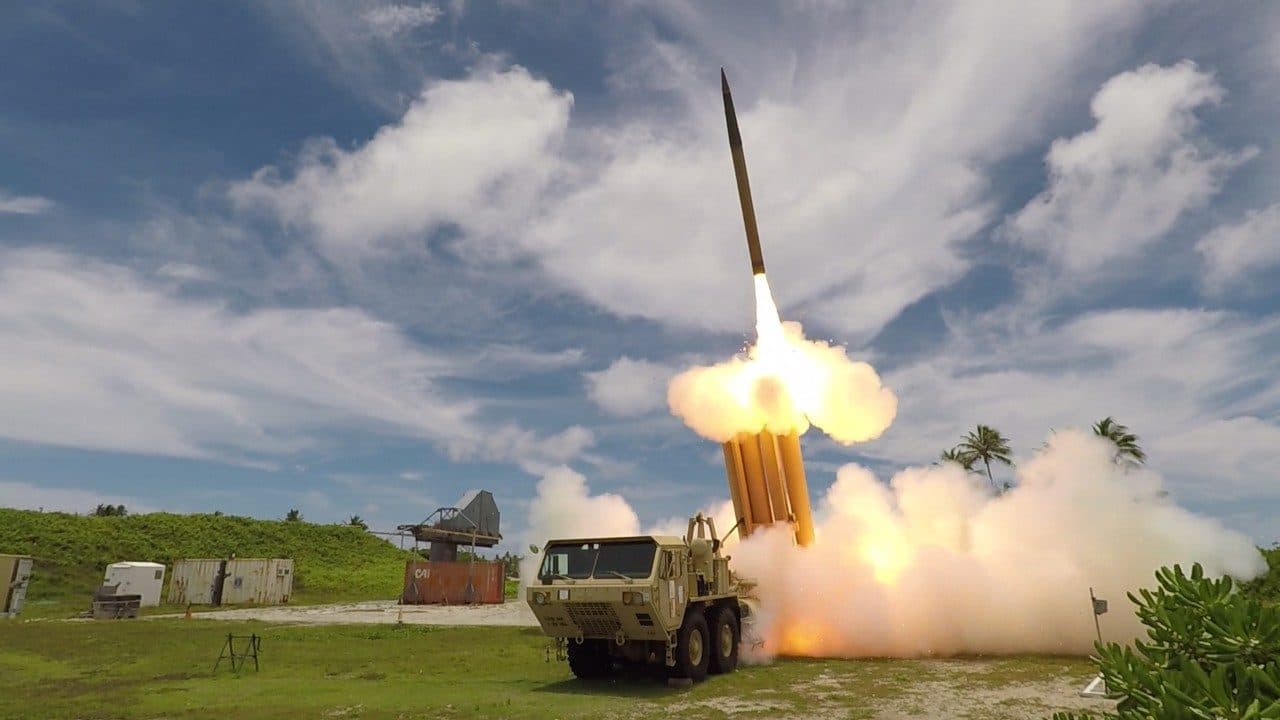
ISLAMABAD: The United States may relocate parts of its advanced Terminal High-Altitude Area Defense (THAAD) missile system from South Korea to the Middle East, according to BBC and South Korean media outlets.
The reported move comes after two weeks into the ongoing conflict involving the United States, Israel, and Iran, during which Iran has launched hundreds of drones and ballistic missiles targeting Israeli territory and US military bases across the region.
“While we have expressed opposition, the reality is that we cannot fully push through our position,” South Korean President Lee Jae-myung said, adding that the move would not weaken South Korea’s overall deterrence strategy.
He acknowledged the reports during a cabinet meeting and said Seoul had expressed opposition to the withdrawal of US weapons from the country.
The relocation is believed to be linked to the intensifying missile exchanges in the Middle East and the growing pressure on US missile defense capabilities as Iran continues large-scale missile launches, BBC reported.
THAAD, manufactured by US defense contractor Lockheed Martin, is designed to intercept short- and medium-range ballistic missiles at high altitude using “hit-to-kill” technology that destroys incoming warheads through kinetic impact.
An Iranian strike earlier this month destroyed a radar component of an existing THAAD system in Jordan, which reportedly cost around $300 million.
The United States currently operates eight THAAD systems worldwide, including two in the Middle East deployed in Jordan and Israel, while Saudi Arabia and the United Arab Emirates operate three additional systems in the region.
The New York Times reported that Iran has fired more than 500 ballistic missiles since the start of the conflict, although many of them were intercepted by Israeli and US defense systems.
Analysts say the high volume of missile attacks could be straining Washington’s missile defense inventory, particularly as Tehran appears prepared for a prolonged conflict that could draw in more regional actors and US allies, according to BBC.
A US official told the Washington Post that the possible redeployment from South Korea was a “precautionary measure.”
Meanwhile, South Korean media outlets, including SBS and Yonhap, reported that THAAD launchers were already being transported from the Seongju airbase south of Seoul.