ISLAMABAD: Afghanistan’s terrorist threat remains unchanged as groups threaten neighbors and Central Asia, while Taliban support for TTP fuels attacks on Pakistan, provoking military exchanges, a UNSC report says.
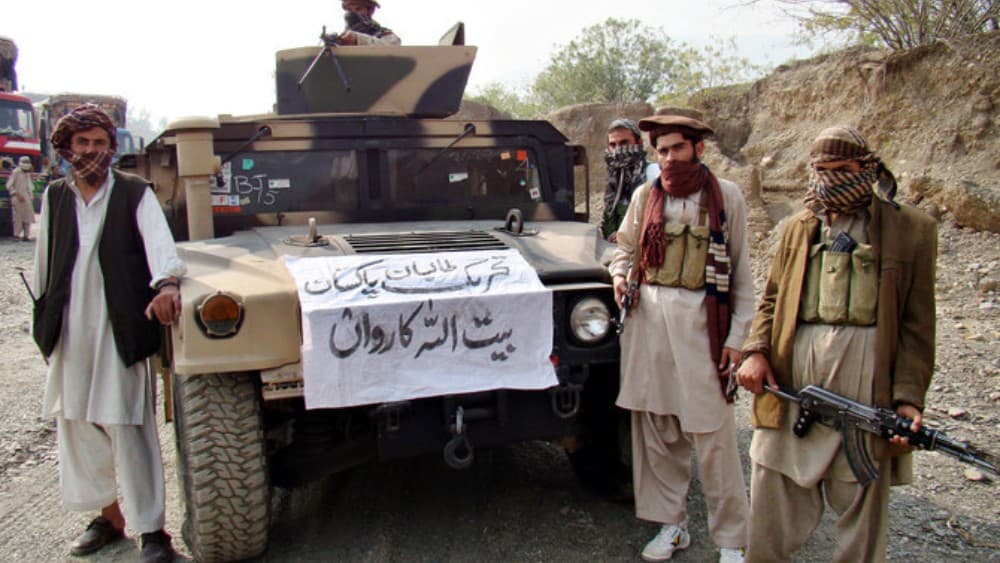
According to the UNSC's 38th report of the Analytical Support and Sanctions Monitoring Team, the de facto authorities continued their support for the Tehreek-e Taliban Pakistan (TTP), which escalated attacks against Pakistan, provoking military exchanges.
The remarks by the report come at a time when the Afghan Taliban have continued to downplay supporting or harboring terrorist outfits on their soil.
Speaking at the conclusion of a consultative meeting with Central Asian diplomats in Kabul in April, interim Afghan Foreign Minister Amir Khan Muttaqi stated that the Taliban assure neighboring countries they will act against any groups or networks that threaten their security.
Without naming specific groups, Muttaqi added that the presence of such elements anywhere is unacceptable and that the Taliban are determined to address the issue, Afghan media reported.
Despite that, the latest UNSC report stated that “the Taliban continued publicly to deny harboring any terrorist groups.”
“The terrorist threat emanating from Afghanistan remained largely unchanged. The ability of numerous terrorist groups to operate in Afghanistan constituted an enduring threat to neighbouring countries and the Central Asian region,” the report said.
Referring to Daesh-Khorasan, the report stated that despite the efforts by the de facto authorities to combat the group and contain other terrorist groups, the authorities were “unable to suppress the terrorist problem.”
Relocation of TTP
Referring to the relocation of the banned Tehreek-e-Taliban Pakistan (TTP), the report stated that the de facto authorities of Afghanistan relocated approximately 2,000 TTP fighters and families from the Pakistani border to further inside Afghanistan, “seeking to rein in TTP.”
It added that the Taliban leader, Hibatullah Akhundzada, reportedly warned the TTP leadership through back-channel communications to “halt attacks targeting Pakistan” or “risk losing the Taliban’s support.”
The report further added that Al-Qaida’s status and strength in Afghanistan remained unchanged.
On 28 April, Al-Qaida’s official media outlet, the As-Sahab Media Foundation, published a statement supporting the Taliban and, for the first time, TTP in operations against Pakistan, the report said.
“While Al-Qaida provided ideological guidance, training, and support to TTP in the latter’s insurgency against Pakistan, this public statement was more direct,” the report said.
Adding further, it also said that one member state reported that BLA terrorists were trained along with TTP by Al-Qaida trainers in Afghanistan.
“AQIS formed the backbone of Ittihad-ul-Mujahideen Pakistan (IMP),” adding that the IMP leader was reported to be Waqas, alias Kalim Ullah.
“The AQIS leadership reportedly remained in Kabul, having been issued tazkiras, suggesting close cooperation between the Taliban and AQIS,” the report said.
Talking about the anti-China outfits, the document stated that regional Member States reported that the East Turkestan Islamic Movement/Turkestan Islamic Party was growing, reconcentrating in Badakhshan, including the Wakhan Corridor, and had reportedly established new strongholds in Kunduz.
“The ETIM/TIP overall leader, Abdul Haq, ordered an increase in combat readiness through the purchase of weapons and military equipment.”
“One Member State noted that ETIM/TIP was training its militants in Al-Qaida’s newly established training camp at Barg-e Matal, Nuristan,” it added.
Regional member states reported that the group emphasized investment and the development of drones, it said.


.jpg&w=3840&q=75)