


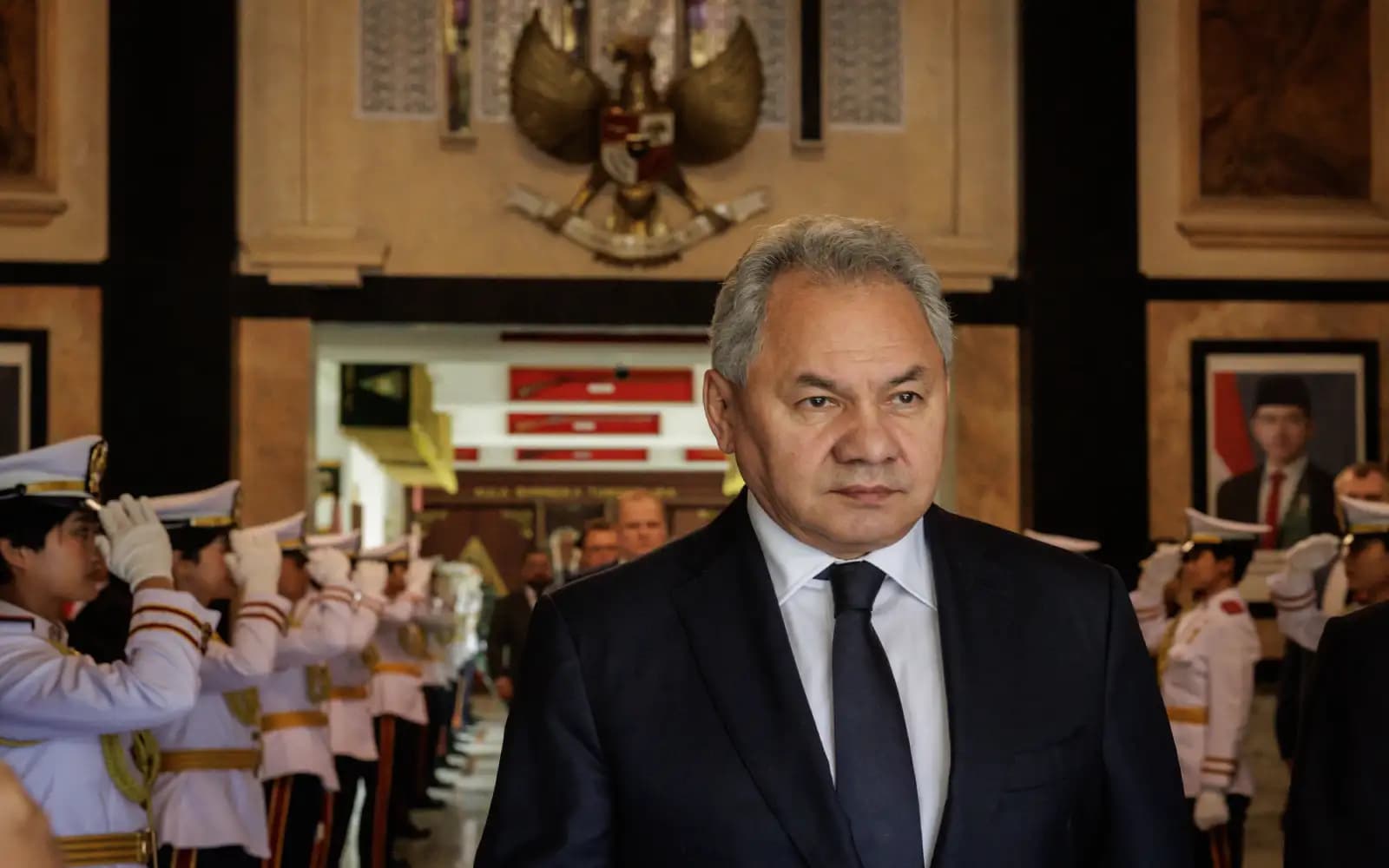
ISLAMABAD: Russia's top security official told regional leaders that between 18,000 and 23,000 armed terrorists from more than 20 separate groups are currently active inside Afghanistan, warning that the country remains a direct security threat to the broader region.
According to Russia's state news agency TASS, Russian Security Council Secretary Sergey Shoigu delivered the assessment at the 21st meeting of security council secretaries of Shanghai Cooperation Organization (SCO) member states, held May 14 in Bishkek under Kyrgyz chairmanship.
"The situation in Afghanistan is of particular importance for ensuring security in the SCO space," Shoigu said, as quoted by TASS. "This primarily concerns the threats of terrorism and drug trafficking emanating from its territory."
ISIS presence put at 3,000 fighters
Shoigu said ISIS affiliate operating in Afghanistan numbers around 3,000 members, according to Russian data. In 2025 alone, ISIS carried out 12 major terrorist attacks in Afghanistan, killing 40 military personnel and 25 civilians and wounding more than 50 others, as reported by TASS.
Foreign fighters flowing in from Syria
The Russian official Shoigu said there has been a notable increase in terrorists of Tajik and Uzbek origin entering Afghanistan from Syria. They were drawn from factions of the former Hayat Tahrir al-Sham alliance, which is designated a terrorist organization in Russia.
He noted that some of these fighters remain outside the control of the interim Afghan government.
Taliban enabling cross-border terrorism
While the Afghan Taliban publicly denies hosting terrorist groups, international organizations have documented a starkly different picture on the ground.
According to UN Security Council monitoring reports, the Taliban operates what assessors describe as a "permissive environment," one in which multiple armed groups plan and launch attacks against neighboring states from Afghan soil.
The UN has reported that the Afghan Taliban provides approximately $43,000 per month to Tehreek-e-Taliban Pakistan (TTP), the largest foreign terrorist group operating in Afghanistan with over 6,000 fighters.
According to UN findings, the Taliban's General Directorate of Intelligence has established guest houses in Kabul for senior TTP leadership. They were also granted movement passes and weapons permits that effectively shield them from arrest.
Cross-border attacks attributed to TTP operating from Afghan bases rose from 573 in 2021 to over 1,200 in 2024, according to UN assessments. Pakistan has issued repeated high-level diplomatic protests condemning the Taliban for providing sanctuary and arms used in those attacks.
UN Secretary-General António Guterres and multiple UN experts have stated that the Taliban must honor its international obligation to prevent Afghan territory from being used to threaten the security of other states.
SCO meeting addresses wider threat landscape
As per the SCO's official readout of the Bishkek meeting, participants also discussed pressing issues in the current international security environment, with specific attention to new risks in cybersecurity and information security.
The gathering was attended by heads and senior officials from security council secretariats of member states, along with SCO Secretary-General Nurlan Yermekbayev and the director of the SCO's Regional Anti-Terrorist Structure.
Yermekbayev said the organization is modernizing its security cooperation mechanisms. This includes establishing new specialized bodies to coordinate responses to terrorism, transnational organized crime, and cyber threats, according to the SCO's statement.
UN assessments align with Russian figures
International estimates reported by the UN Security Council Monitoring Team as of May 2026 similarly place the number of foreign terrorist fighters in Afghanistan at between 13,000 and 23,000.
The UN's 37th monitoring report, issued in February 2026, found that some fighters have been integrated directly into Taliban-led security structures, a finding at odds with the Taliban's public position.
The SCO's member states include Russia, China, Pakistan, Iran, and four Central Asian republics; countries that collectively share borders with Afghanistan or face direct spillover from terrorist activity operating on its soil.