


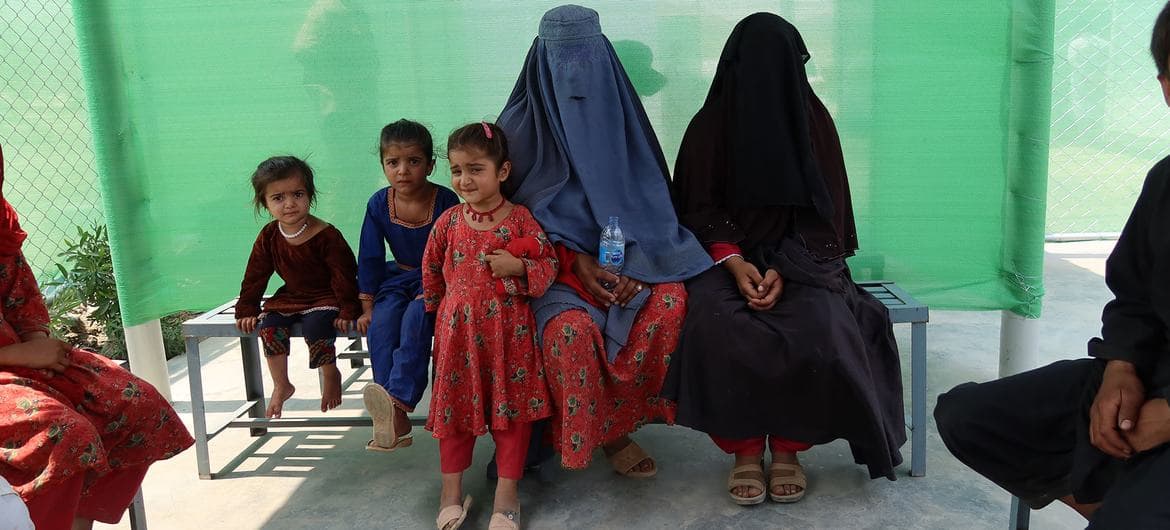
ISLAMABAD: Afghanistan Women’s Rights Watch says it documented 411 cases of rights violations against women and girls in Afghanistan in 2025, including nearly 300 incidents described as “direct violence against women” allegedly attributed to the Taliban, according to the group’s annual report released this week.
The report, titled From Marginalization to Erasure, was launched on Saturday, Feb. 14, in Kayseri, Turkiye, during an event attended by academics, civil society representatives, and Afghan and Turkish women’s rights activists. The launch was organised in cooperation with the Turkiye-based ARSA Association.
According to the organization, the findings were compiled from victims’ testimonies and cross-referenced with multiple credible international documents.
Killings and suicides
The report recorded at least 76 cases described as “intentional killings” of women and girls in 2025, though it did not specify the alleged perpetrators. The highest number of cases 16 was reported in Nangarhar Province.
Researchers also documented more than 30 cases of suicide and self-immolation among women and girls over the past year, raising concerns about worsening mental health conditions and social pressures facing women under current restrictions.
Allegations of abuse in detention
The report further cited at least three cases of sexual violence in Taliban detention centers, including two incidents reported in Balkh Province.
The Taliban authorities have not publicly responded to the report’s findings.
Calls for international action
Zakera Hekmat, head of Afghanistan Women’s Rights Watch, said during the launch event that addressing systematic violence against Afghan women is not solely a domestic matter but a global responsibility.
She criticized what she described as the silence and inaction of the international community in response to continuing violations of women’s fundamental rights during nearly four years of Taliban rule. Hekmat warned that continued inaction risks reinforcing policies that exclude women from Afghanistan’s social, educational, and political life.
Bulut Reyhanoglu, a Turkish filmmaker and global solidarity ambassador advocating for Afghan women, said the systematic exclusion of Afghan women from public life has created what he termed a “gender crisis” extending beyond Afghanistan’s borders.
He urged the international community to move beyond diplomatic engagement and take practical steps to protect Afghan women’s fundamental rights, warning that continued silence could normalize gender-based oppression and discrimination.
Afghanistan’s Taliban-led administration has faced sustained international criticism over restrictions on women’s education, employment, and participation in public life since returning to power in 2021.