

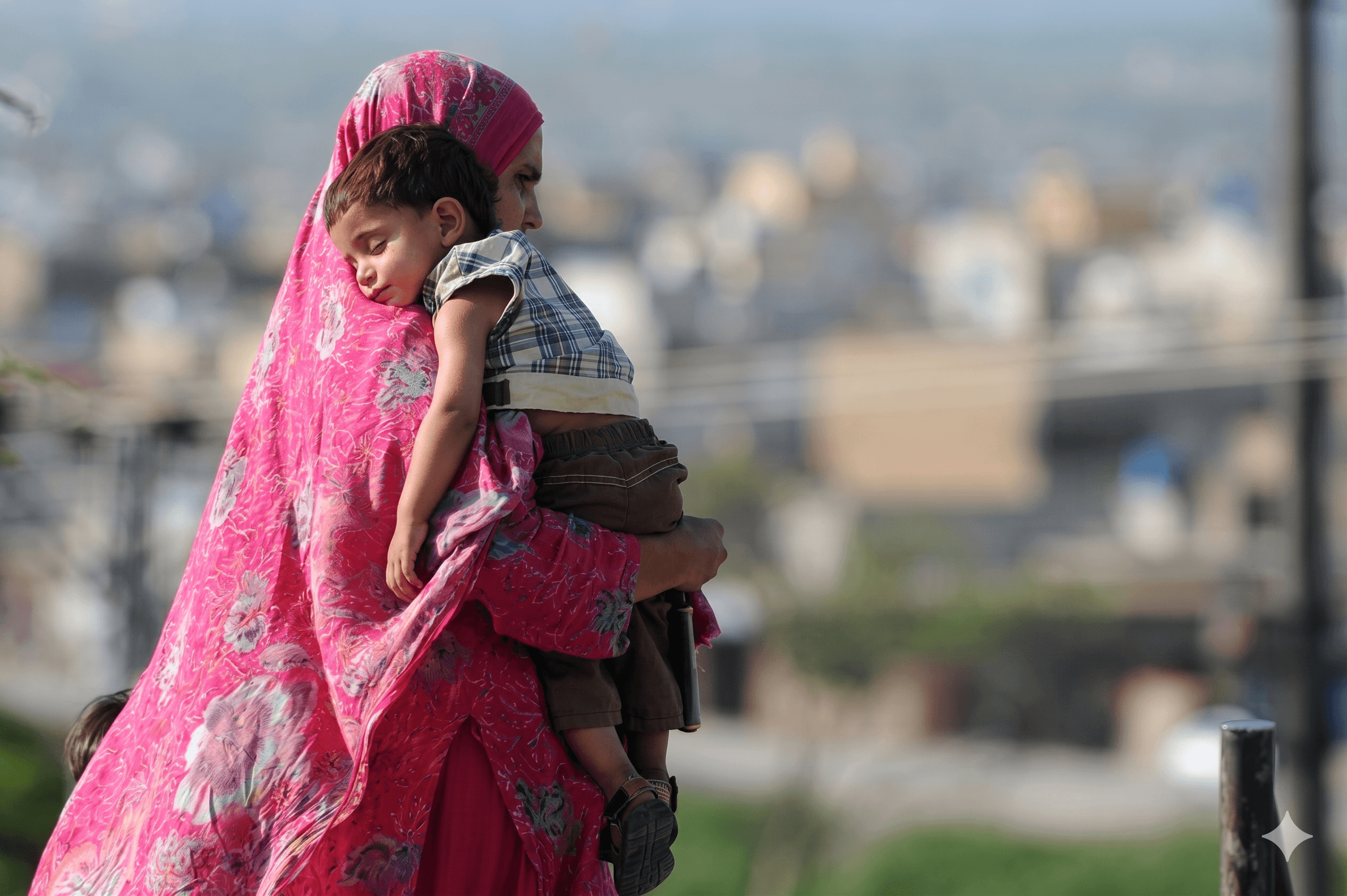
ISLAMABAD: On a warm Sunday in May, Sumaira loaded her arms with cherries, a dress and a changair – a decorative basket woven from reeds – and brought them to her mother. It was not a grand gesture, she said. But her mother smiled.
Across Pakistan this Mother's Day, similar scenes played out in living rooms and on WhatsApp video calls, in households where the holiday is embraced warmly and others where it barely registers. The day has taken a quiet hold in urban Pakistan over the last decade. Not uniformly, not without dissent, but undeniably.
Pakistan TV Digital reached out to people across the country to find out how they marked the occasion.
In Rawalpindi, Arhama kept it simple. A cheeseboard, she said, because that is what her mother likes. The specificity of the choice mattered. It was not picked from a promotional display or a sponsored post. It was chosen because someone paid attention, and had been paying attention for years.
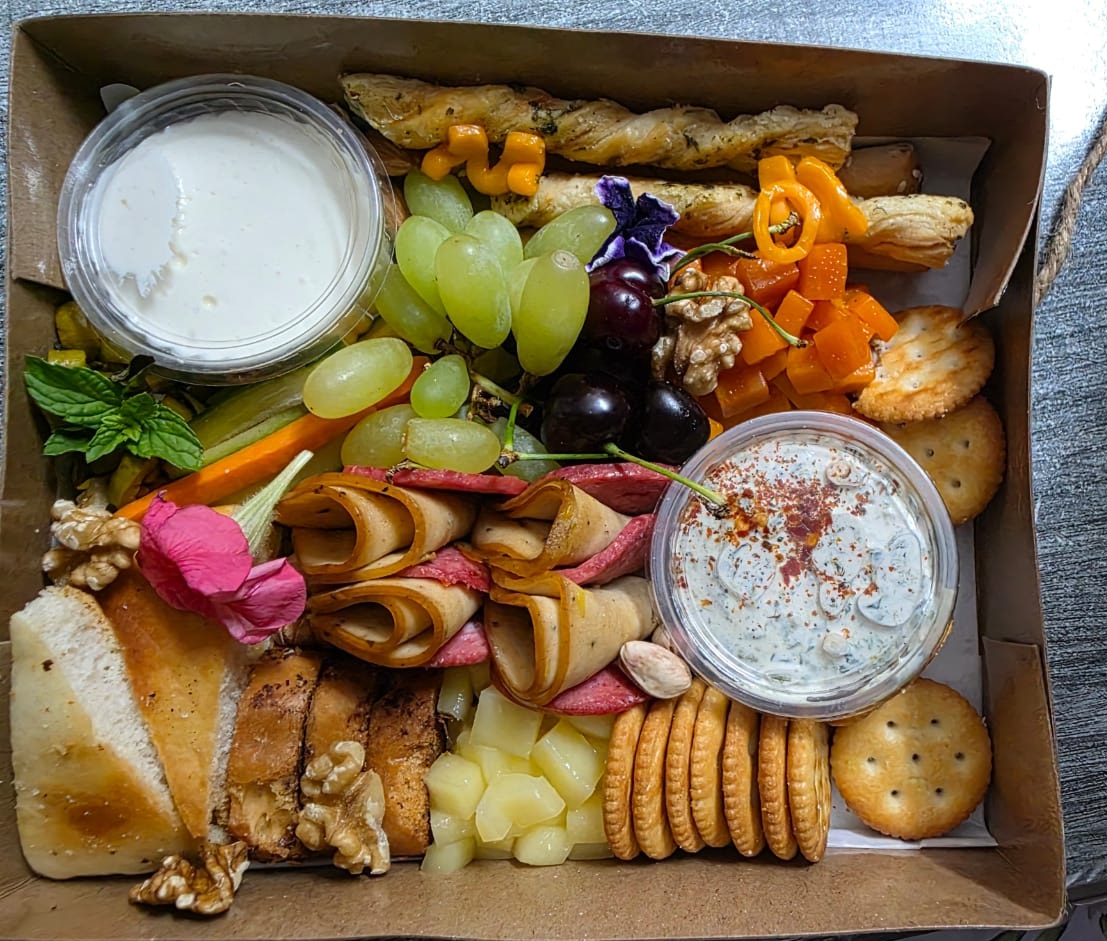
That kind of quiet knowing is what the day, at its best, seems to surface. Not the roses sold for Rs300 or more outside every major shopping plaza, but the accumulated knowledge of a child who has watched their mother long enough to know exactly what she enjoys.
For some, the day was measured in distance. Umair, based in Peshawar, spent Mother's Day at the office. There was no way to get home in time. He arranged flowers and a cake online and had them sent to his family. Later, they sent back a video. His mother was leaning over the cake, cutting through it. She looked happy. He had not been there to see it in person.
It is a situation familiar to millions. Pakistan is a country where young men – and now even women – routinely relocate for work, sometimes to other cities, sometimes abroad, and the distance quietly reshapes how families observe these days. The phone screen becomes the table they gather around. The video call becomes the room.
The holiday itself is relatively new to Pakistan in its current form. Social media accelerated its spread through the 2010s and the markets followed. Restaurants offered Mother's Day brunches. Florists doubled their prices. For some families, particularly in larger cities, it became a fixture. For others, it remained foreign territory.
In Karachi, Areeba falls firmly in the second camp. No one in her family observes the day. Not Mother's Day, not birthdays, not any of it. She is direct about why. It is commercialized, she said, and the point is lost on her. Her position is not that mothers do not deserve recognition, it is the opposite. She believes they deserve it every day, not because a market calendar has designated the second Sunday of May for the purpose.
Her skepticism is neither new nor uniquely Pakistani. But it carries a particular weight here. Reverence for mothers is embedded in this society at a level that goes beyond sentiment. It is present in religious teaching, in poetry, in the way major decisions are still deferred to a mother's judgment. The word maa is among the first a child learns. The argument that every day is already Mother's Day is not deflection. For many people, it is genuinely how they live.
Still, for those who do observe it, the holiday offers something the everyday does not. An occasion, a nudge, a shared moment that might otherwise be quietly postponed. A cheeseboard. A changair. A cake cut on a phone screen 400 kilometers from where a son sat watching.
The mothers, by most accounts, were touched.