


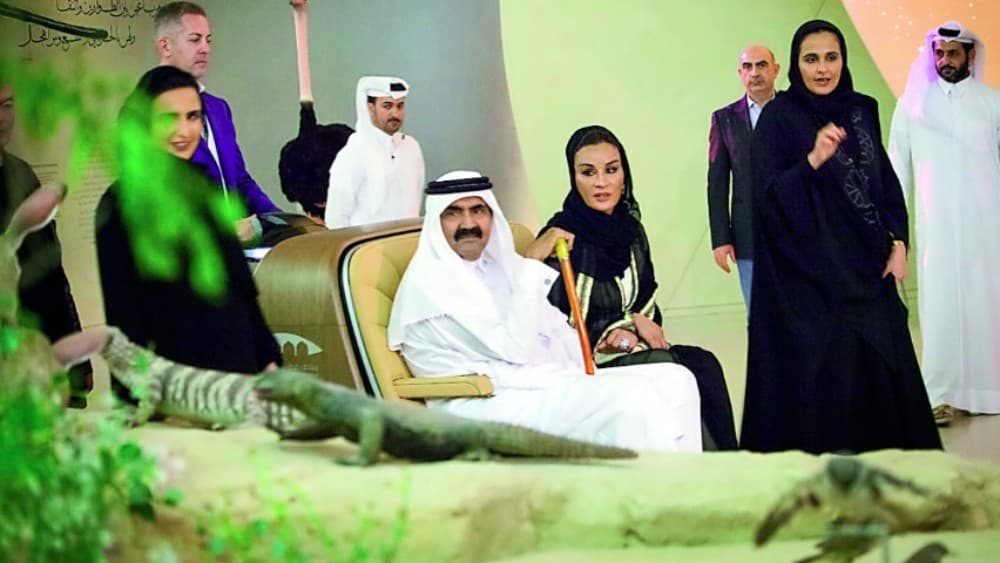
ISLAMABAD: In a deeply personal article published by Al Jazeera, Sheikha Al Mayassa bint Hamad bin Khalifa Al Thani has paid an emotional tribute to her father, the late Sheikh Hamad bin Khalifa Al Thani, remembering him not only as the leader who transformed Qatar but as the loving father she affectionately called "Yuba."
She used the affectionate word “Yuba” to symbolize the warmth of a father rather than just the title of a ruler for the father Emir of Qatar, Sheikh Hamad bin Khalifa Al Thani, who died on July 12, 2026, at the age of 74.
Sheikh Hamad bin Khalifa Al Thani served as Emir of Qatar from 1995 to 2013, overseeing one of the most transformative periods in the country's history. Under his leadership, Qatar emerged as a major diplomatic, economic and cultural force.
He voluntarily transferred power to his son, Sheikh Tamim bin Hamad Al Thani, in 2013, a decision his daughter now describes as one of his enduring legacies.
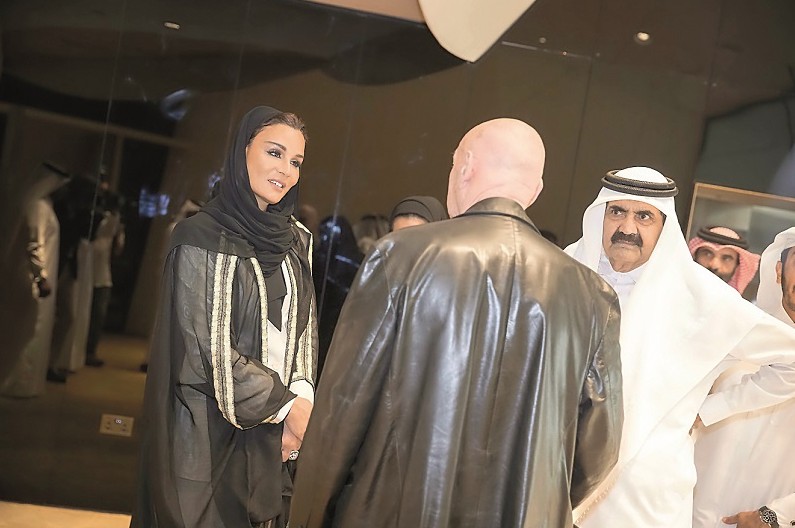
Rather than focusing on politics, the article reflects on the values, discipline and compassion that defined the former emir's life. At its heart is a phrase he lived by: "Al Miqyas Qatar" (The measure is Qatar).
She explains that while the saying has no literal English translation, it means everything should be done for Qatar, not for personal ambition or recognition, but for the country's people.
"This single phrase is the compass that guides me in all I do," she writes.
According to Sheikha Al Mayassa, there was never a distinction between family life and public service for her father.
"He put his country and his people before himself. Whenever we were together, it was always about Qatar. There was no line between a day in the office and a family vacation."
She remembers his "magnetic personality," "contagious charisma," and ability to inspire people to believe that Qatar deserved nothing but excellence. Under his leadership, she writes, ideas that once seemed impossible became realities that inspired Arab talent across the region.
Some of the article's most touching passages are devoted to his role as a father. "He taught me to swim, to dive, to drive, to play cards, to play tennis, to travel, to love, to laugh, to live, and, most importantly, to give."
She recalls how he encouraged her education abroad, arranged internships during her summer breaks, and constantly challenged her to aim higher. Despite leading the country, he remained attentive to his children. "If he called and sensed I was unwell, he would check in on me every day."
After graduating from university in 2005, Sheikha Al Mayassa joined her father in public service. At just 23, he entrusted her with leading the Museum of Islamic Art. The day after it opened, instead of celebrating, he simply asked: "What is the next museum we are opening?"
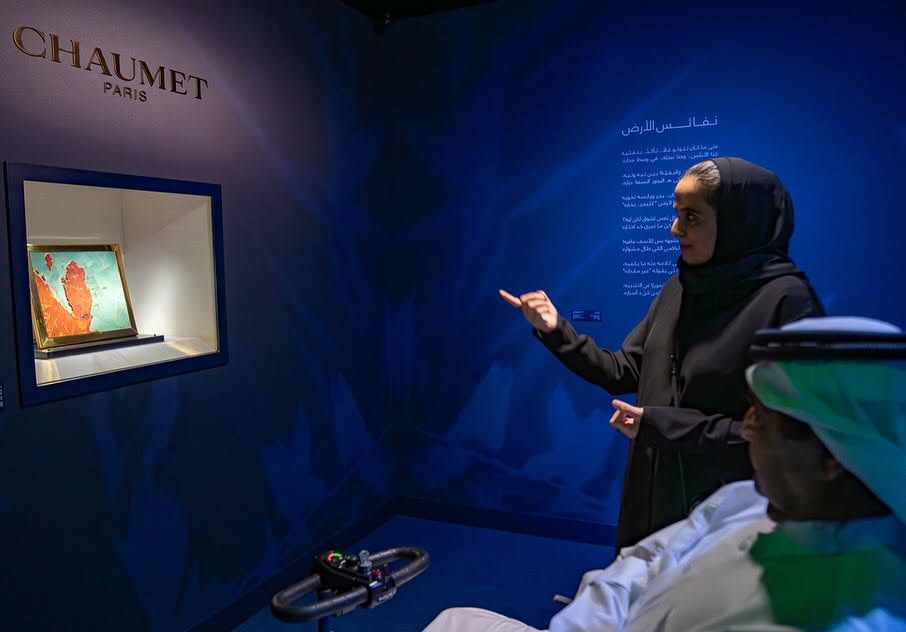
For Sheikh Hamad, she writes, culture was a driver of education, quality of life and national development.
Among all his achievements, however, she believes one stood above the rest.
"When he came to power, he abolished censorship and created Al Jazeera. I believe this was his proudest achievement, not just for Qatar, but for the Arab world as a whole."
Beyond his public achievements, she remembers a leader who remained close to ordinary people, often driving through neighborhoods and stopping to ask residents how they were doing.
"He stayed close to his people, as if they were all his children."
The article concludes with a reflection on grief and legacy. "When death arrives, it strips away everything but love and legacy."
As mourners gathered in Qatar following his passing, she says she realized that her father's greatest achievement was not only the institutions he built but the nation he united.
She ends by urging people to honor his memory by striving to become "the best versions of ourselves," remaining "humble, kind, generous and hospitable."