


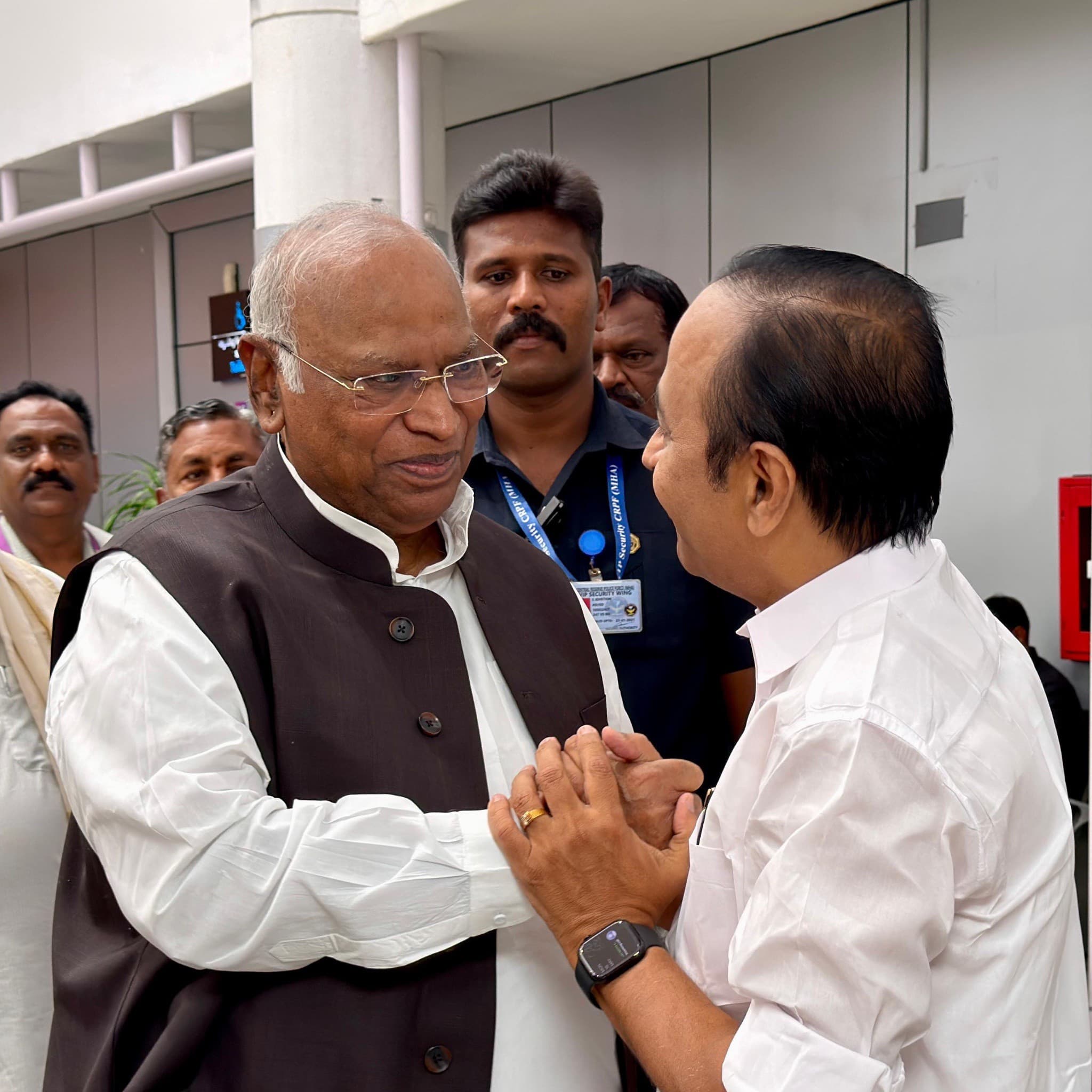
ISLAMABAD: The president of India's main opposition party said Monday that Prime Minister Narendra Modi's government withheld fuel and commodity price increases until state assembly elections concluded, as back-to-back hikes in petrol and compressed natural gas prices make the lives of average Indians increasingly difficult.
Mallikarjun Kharge, the President of the Indian National Congress party and Leader of the Opposition in the Indian parliament's upper house, said the ruling Bharatiya Janata Party had concealed the state of the economy from voters ahead of the polls.
"The Modi government kept everything hidden from the country until the elections, but once the elections were over, prices of everything increased," Kharge said in a post on X.
State-run fuel retailers raised petrol and diesel prices by ₹3 per liter on Friday, citing surging global crude costs driven by the ongoing war in the Middle East. A second hike in compressed natural gas prices followed on Sunday, the second such increase in a single week, according to the Press Trust of India.
"If Modi had raised the prices of petrol, diesel, and other commodities before the elections, he would have suffered significant losses," Kharge said. "The BJP government and Modi lack foresight."
India imports over 80% of its crude oil, leaving it heavily exposed to supply disruptions in the Middle East. Wholesale inflation rose to 8.3%, a three-and-a-half-year high. It was driven by imported oil and metals costs.
Meanwhile, retail inflation climbed to 3.4% in March, up from 3.2% in February, according to Consumer Price Index data.
The Reserve Bank of India projected average retail inflation at 4.6% for the current fiscal year, above its 4% target. The IMF put the figure higher, forecasting consumer prices to rise 4.7% in 2026.
Economic growth has slowed. The World Bank's April 2026 India Development Update cut its GDP growth forecast to 6.6% for FY27, down from an earlier projection of 7.2%, citing high energy prices and supply chain disruptions tied to the Middle East conflict. The IMF revised its own 2026 growth forecast to 6.5%.
Cooking gas prices on the black market, the only source accessible to millions of domestic migrant workers without formal documentation, increased up to five times their pre-crisis levels, from ₹80 ($0.83) to ₹90 ($0.93) per kilogram to as high as ₹500 ($5.19), according to AFP.
India has more than 450 million internal migrants, per government estimates, many of whom told AFP they were preparing to leave cities and return to their home states.
"Inflation is continuously rising due to the BJP government," Kharge said. "The poor in the country are not even able to get the essential goods they deserve."