


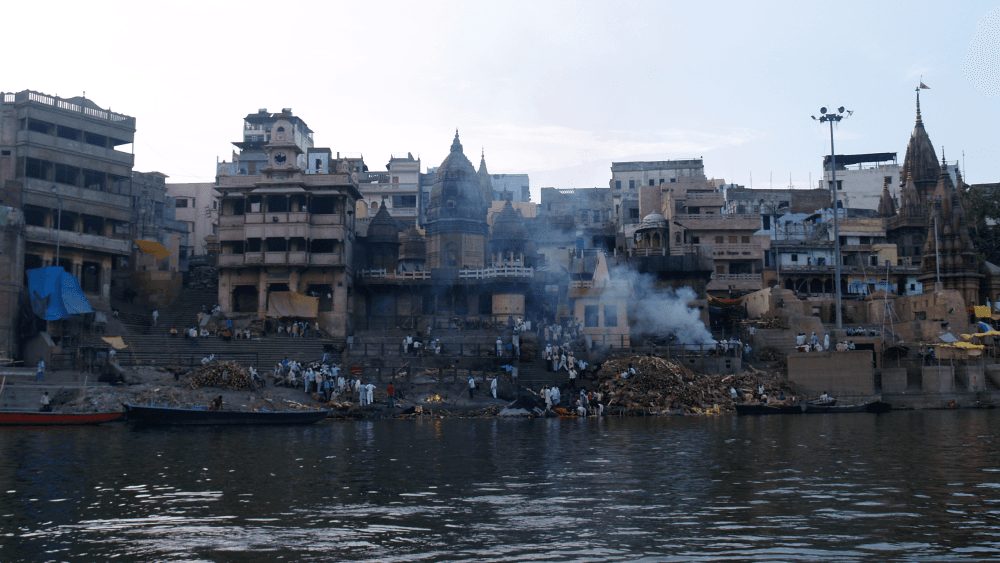
ISLAMABAD: A sessions court in Varanasi has denied bail to 14 Muslim men who were arrested after having iftari -- a meal to break the fast during Ramadan -- on a boat on the Ganges River. Critics of civil liberties are expressing concern that the case is becoming a significant example of communalized prosecution and pre-trial punishment.
According to a report by the Indian Express on Thursday, the men were accused after videos of the March 15 gathering circulated online; they were arrested days later, remanded to judicial custody, denied bail by a magistrate on March 23, and denied bail again by the sessions court on April 1.
The original allegation was that the group ate chicken biryani during iftar on the river and threw bones or food waste into the Ganges, hurting Hindu religious sentiments and disturbing communal harmony.
The complaint was filed by Rajat Jaiswal, a local BJP youth-wing leader, and the case quickly escalated from a local dispute into a broader communal controversy.
Prosecutors invoked a wide range of charges, including promoting enmity, public nuisance, insulting religious feelings, and other provisions linked to public order and alleged pollution.
While refusing bail, the Sessions Court said that the posting of the event on social media, prima facie, suggested an intention to affect social harmony, particularly in a sensitive religious atmosphere.
The miscarriage-of-justice concern arises from the contested nature of the evidence and the overtly religious framing of the case from the beginning.
The Wire reported that the complainant’s version shifted over time on whether bones were actually thrown into the river, while an independent review cited in that report said the viral videos did not clearly show waste being dumped.
The same report said defense lawyers argued that the accused were falsely implicated, that the complainant was not an eyewitness, and that no chicken or bones were recovered from the site.
Taken together, the case has come to symbolize how an iftar gathering by Muslim youths can be rapidly recast as a criminal and communal provocation, with severe charges and prolonged incarceration preceding any final adjudication of guilt.
Whether the prosecution ultimately proves its case or not, the controversy has already raised serious questions about selective enforcement, evidentiary standards, and the role of religion in policing public space in contemporary India.