


ISLAMABAD: Pakistan will require an estimated $331 billion in climate financing by 2030 to strengthen resilience to climate change and reduce mounting economic losses, according to the State Bank of Pakistan (SBP).
The financing requirement, based on estimates by the Climate Policy Initiative (CPI), is equivalent to around 10% of the country's cumulative GDP, or nearly $47 billion annually over the seven-year period.
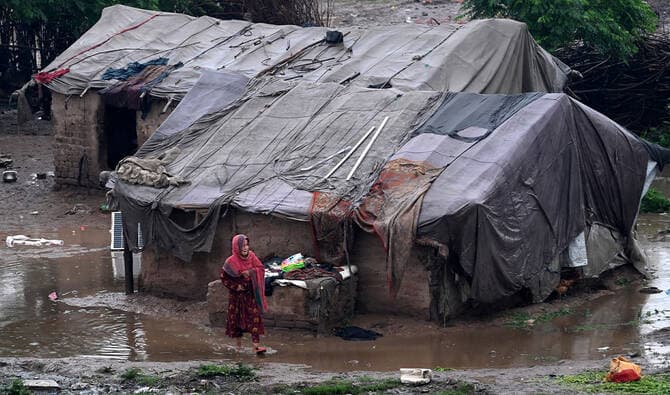
The central bank, in its latest assessment, warned that Pakistan remains among the countries most vulnerable to climate-related disasters despite contributing only a fraction of global greenhouse gas emissions.
It noted that the country ranked 15th among nations most affected by climate events between 1995 and 2024, underscoring the urgent need for large-scale investments in climate adaptation and resilience.
According to the SBP, government estimates place Pakistan's climate finance needs between $200 billion and $348 billion by 2030 for climate-resilient development and implementation of its Nationally Determined Contributions (NDCs).
In addition, the government's Pakistan Climate Prosperity Plan has identified an investment requirement of $1.6 trillion by 2050 to support sustainable development, climate action and technology adoption.
The report also highlighted the widening global climate finance gap, with the CPI estimating that $8.6 trillion annually is required worldwide to keep global warming within the 1.5 degrees Celsius target.
It stressed that greater public and private sector investment, along with enhanced international climate finance, will be critical for vulnerable countries like Pakistan to strengthen infrastructure, safeguard livelihoods and sustain long-term economic growth.