TTP distorts jihad’s meaning, Pakistani scholars warn it fuels disorder
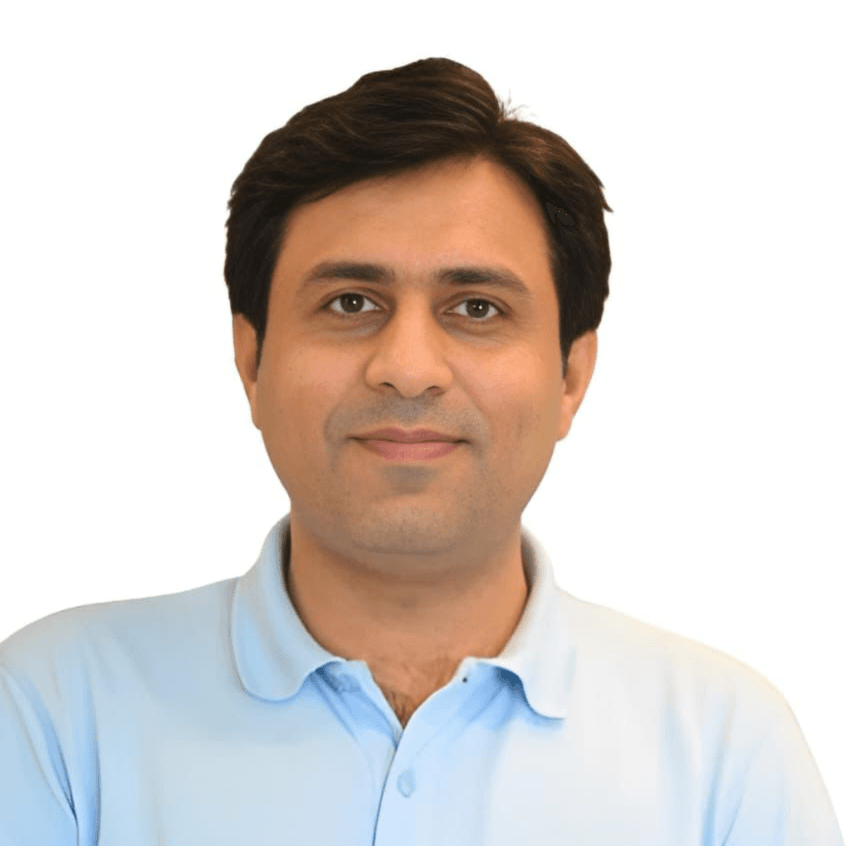
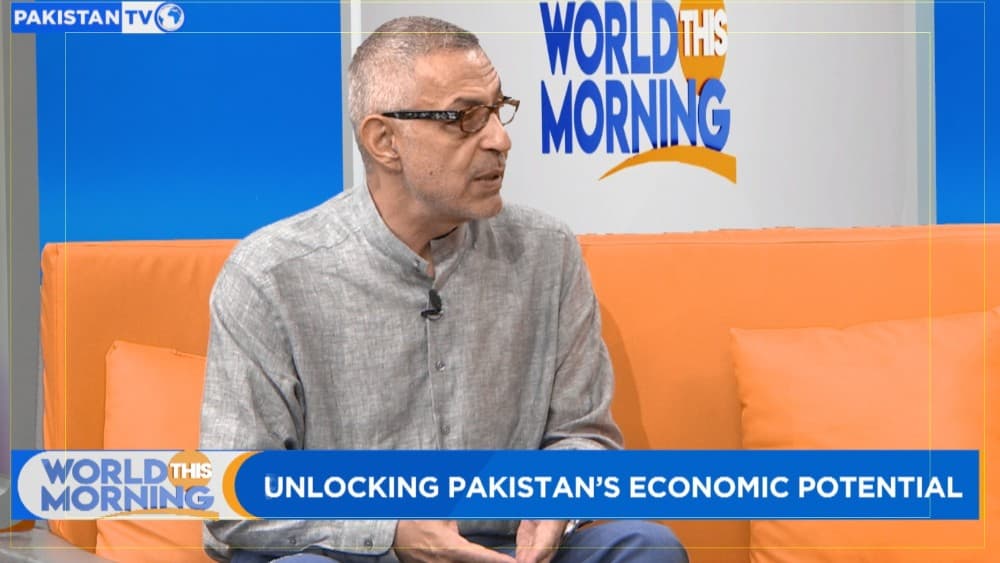
ISLAMABAD: "Such groups and such jamaats do not have the right to do jihad," prominent Islamic scholar Javed Ahmad Ghamidi said, rejecting the Tehreek-e-Taliban Pakistan’s (TTP) attempt to claim religious legitimacy for its terrorism and warning that such efforts amount to "an invitation to create disorder."
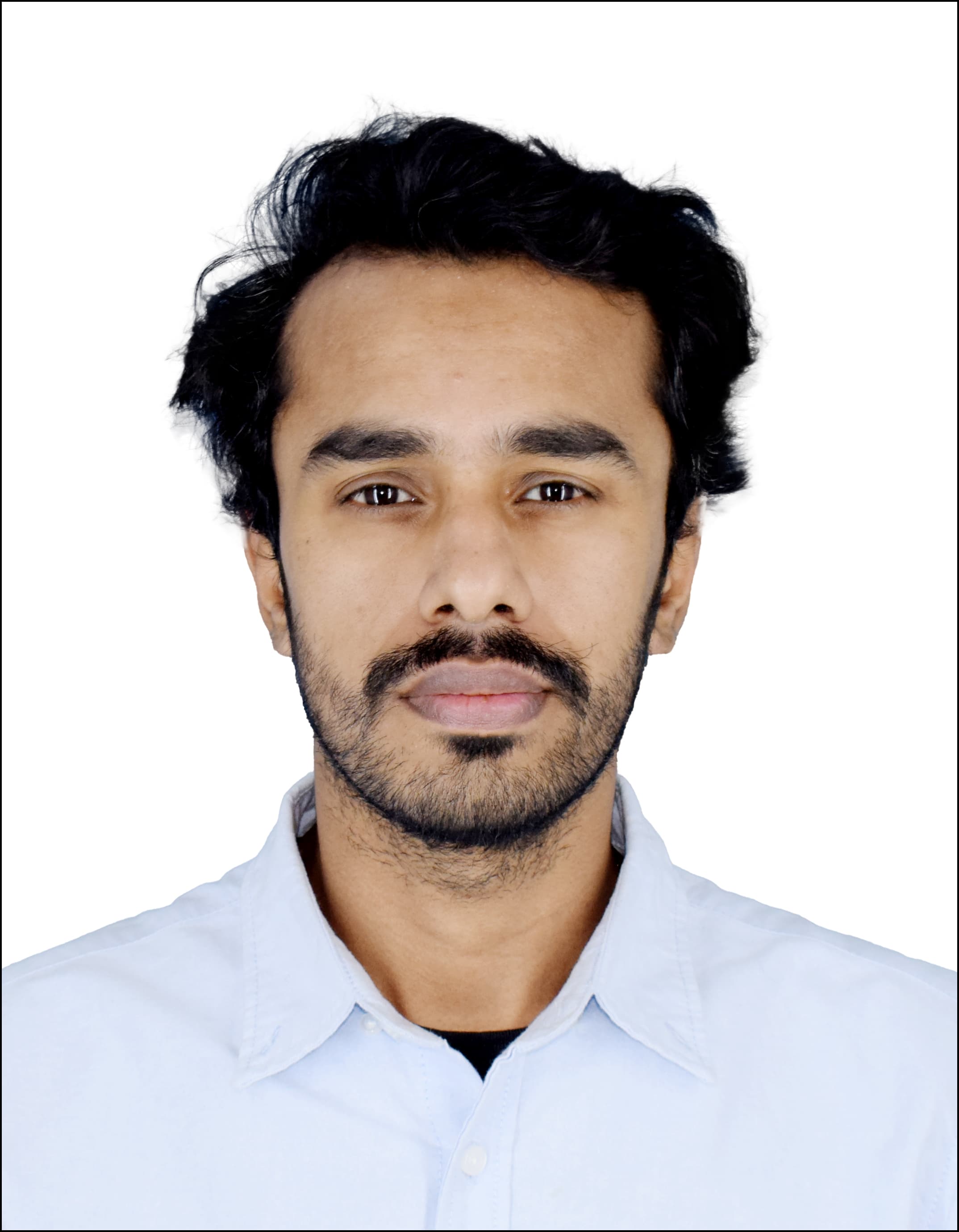
Speaking to Pakistan TV Digital, Ghamidi said jihad cannot be declared by private armed groups, while religious scholar Mufti Imran Javed Aziz, also known as Imran Sandhu, said an armed campaign conducted by such groups amounts to rebellion rather than lawful jihad.
The scholars’ comments come as Pakistan continues its fight against the TTP, which Islamabad refers to as Fitna al-Khawarij, amid a wider campaign against terrorist groups targeting civilians, security forces and state institutions.
Pakistan says the TTP’s use of takfir, or declaring fellow Muslims outside the fold of Islam, forms part of its ideological justification for violence. The debate therefore goes beyond what terrorist groups call their actions to a more fundamental question: who has the religious authority to declare jihad in the first place?
Who can declare jihad?
For Sandhu, the first question is authority.
"Armed campaign inside Pakistan is not a lawful jihad; it is lawlessness, they are outlaws, it is prohibited, it is prohibited rebellion. The normal rule in Islamic jurisprudence is that war is declared and managed by legitimate public authority after consultation with the military, political leaders, representatives and other specialists."
He said a private armed group could not create its own authority, courts or command structure and then claim a religious mandate to use force.
"A mere private group who does not even represent one or two people, even, cannot appoint its own commander, establish parallel courts, a state within a state, and cancel national covenants and international covenants and begin murdering people."
Ghamidi similarly rejected the idea that terrorist groups can declare jihad independently.
"Such groups and such jamaats do not have the right to do jihad. This is merely an invitation to create disorder. And the center of this disorder is the misinterpretation."
Ghamidi said the decision to wage war could not be left to an individual, religious group or armed faction pursuing its own objectives.
"First, it should be decided that oppression and oppression are being committed. After that, the decision of Jihad has to be made by the collective system of Muslims. It does not have to be made by me, you, any group of scholars, or any community. It has to be decided by a proper government of Muslims. And after that, it will declare war."
That question of authority becomes even more important when extremist groups attempt to issue their own religious rulings and present themselves as legitimate interpreters of Islam.
How takfir turns politics into religious violence
During Pakistan TV Digital’s The Chatroom with Shizza last week, international relations expert Ahmad Hassan Al-Arabi examined how terrorist organizations manipulate religious concepts, particularly takfir, to turn political objectives into religiously framed violence, while also discussing the broader terrorist threat facing Pakistan from groups including Fitna al-Khawarij and the BLA.
“They identify their political objectives, they identify the geographical objectives of their handlers, abettors, supporters, financiers... They have to use violence to achieve their political objective, and in order to justify that, they invoke takfir.”
Watch the full episode of The Chatroom with Shizza for the complete discussion. [Click here]
That argument provides another way of understanding the misuse of religious language: a political objective is identified first, while religious terminology is then invoked to give violence an appearance of religious legitimacy.
Sandhu rejected that approach, saying an armed commander or media wing cannot simply assume the authority of a qualified religious scholar.
"A militant commander, anonymous writer or a media department does not become a Mufti merely by quoting Arabic texts and the so-called, you know, people who call them scholars and have not been qualified, a ruling based upon concealed facts, selective quotations or the interest of the armed organizations cannot make prohibited bloodshed lawful, save that somebody comes and gives a fatwa against the general public as well."
He added:
"The purpose of Sharia is to protect public, not go war with public, right? A fatwa is also a scholarly explanation, not a private death warrant."
The same argument applies to suicide attacks, which terrorist organizations have repeatedly sought to justify through religious language.
"It is not jihad at all. Suicide is expressly prohibited in Islam, it is an explicit order of Islam. Do not kill yourselves, do not murder yourselves, do not commit suicides."
How extremist narratives fuel radicalization
The misuse of religious concepts is also part of a wider radicalization process. A May 2026 study by South Asia Times argues that extremist recruitment can begin with narratives about injustice, moral decline and the suffering of Muslims before progressing toward more radical interpretations, rejection of legitimate authority and eventual justification of violence.
The study describes a six-stage progression from doctrinal absolutism and premature takfir through the delegitimization of authority and justification of violence to operational terrorism.
It also highlights how extremist propaganda has shifted toward Telegram, WhatsApp and encrypted platforms, with messaging tailored to different audiences, including educated audiences, young people and less-informed users.
The study argues that security operations remain necessary but insufficient if the ideological narratives sustaining extremist organizations are left intact. It calls for sustained scholarly engagement, coordination between religious scholars and counterterrorism institutions, and stronger counter-extremism messaging through education, religious platforms and digital media.
The debate beyond terrorist groups
The question of who can interpret and enforce religious rules also extends to governance.
In its August 2026 report on security-sector accountability in Afghanistan, the United Nations Assistance Mission in Afghanistan said the Taliban's de facto authorities have built their legal and governance framework around Sharia-based decrees and instructions since taking power in 2021.
UNAMA also noted that the previous legal framework was suspended and replaced through a process of reviewing and annulling laws from the former Afghan republic.
At the same time, UNAMA found limited public transparency around complaints, investigations and disciplinary outcomes involving members of Afghanistan's de facto security institutions, despite the creation of multiple oversight bodies.
The report's focus, however, is not on Sharia itself, but on how the de facto authorities apply their stated legal and administrative framework in practice. UNAMA said Afghanistan's de facto security institutions have established a range of oversight and complaint mechanisms, but found limited public information on investigations, disciplinary action and their outcomes.
What about women and education?
The scholars interviewed by Pakistan TV Digital also rejected the use of religious authority to control personal matters, including women's education.
Ghamidi said:
“What name do they have to keep? What clothes to wear? What education do they have to get? All such things are personal.”
He added:
“No government has the right to make any decision about women's education. Women have to make this decision themselves. This is not a part of Islam at all.”
Sandhu similarly rejected restrictions on girls' education on religious grounds.
“Can anyone stop girls from attending schools in Islam? No one has this right. Rather, Islam came for the light of knowledge. And it is exactly Islamic for girls and for boys to have equal education opportunity.”
Pakistan's response
Pakistan has sought to counter extremist interpretations through security measures alongside religious and intellectual efforts.
One of the country's major initiatives has been Paigham-e-Pakistan, launched in 2018 with the endorsement of religious scholars from different schools of thought.
The initiative established a national religious narrative rejecting terrorism, suicide attacks and armed rebellion against the state.
The approach has continued through subsequent engagement with religious scholars and efforts to challenge takfiri narratives, hate speech and extremist propaganda through religious institutions and public messaging.
Latest News
TTP distorts jihad’s meaning, Pakistani scholars warn it fuels disorder
AN HOUR AGO
Air India mandates drug tests for all pilots after mid-air plunge
2 HOURS AGO

The Chatroom: Xiaojun Wang on Pakistan's solar shift, China ties and clean energy
3 HOURS AGO

Erdogan says Makkah Defense Agreement vision not limited to three countries
4 HOURS AGO
French lawyer highlights Pakistan’s global role, strategic importance
5 HOURS AGO