


ISLAMABAD: As the FIFA World Cup 2026 unfolds across North America, Pakistan is playing a role on football's biggest stage through a product made by the skilled hands of its sporting goods industry.
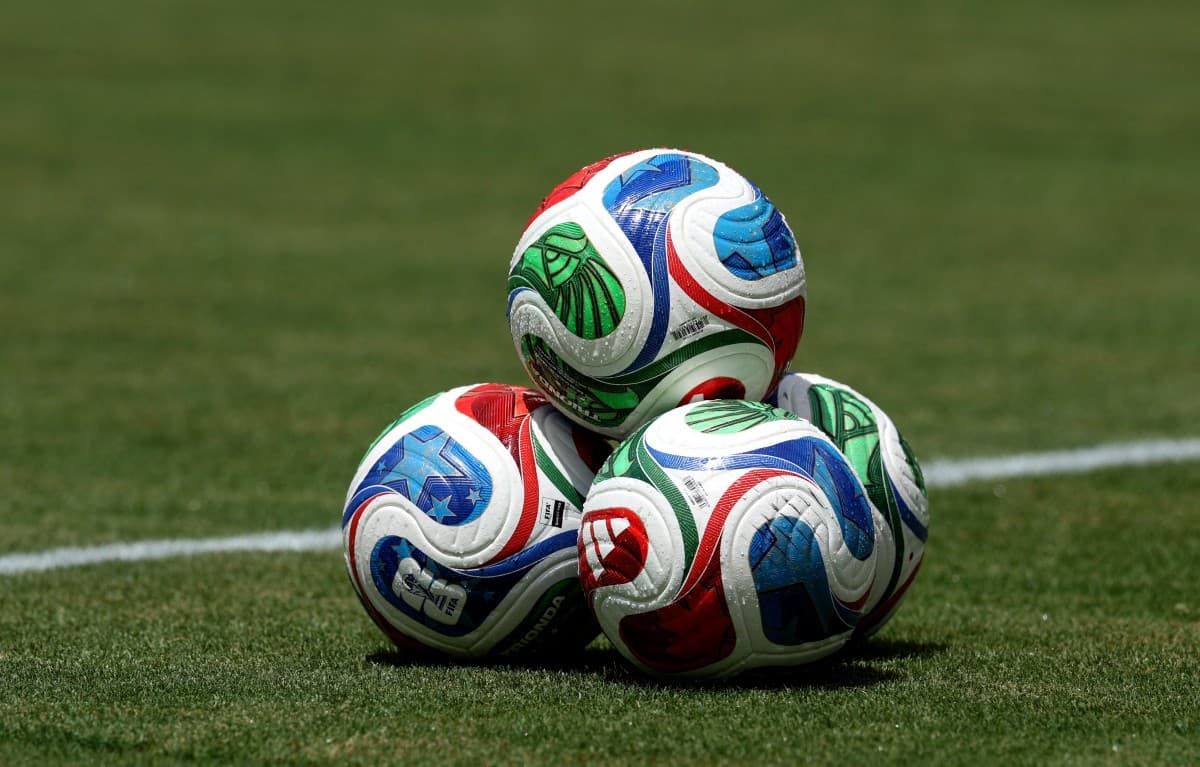
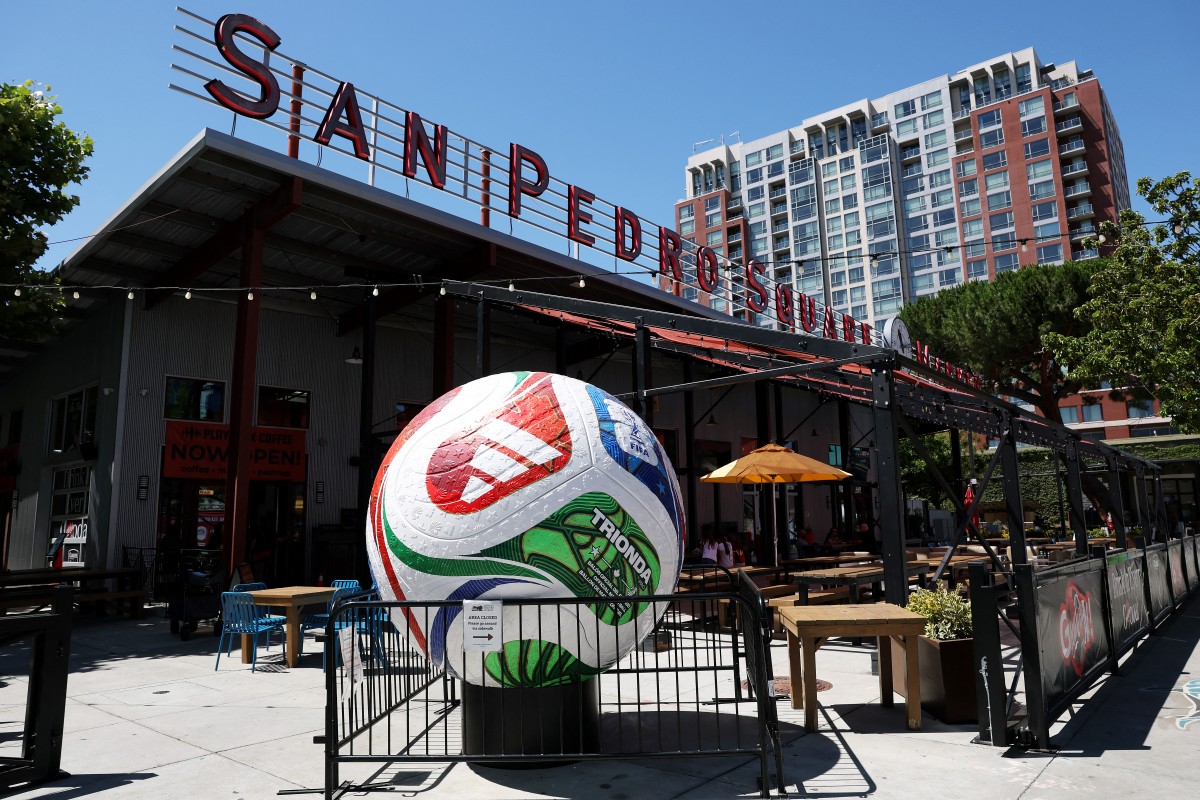
While the world's best players compete for glory, every match is being played with TRIONDA, the official FIFA World Cup 2026 match ball manufactured in Pakistan’s eastern city of Sialkot and equipped with advanced technology designed to help shape the future of the game.
Unlike any World Cup ball before it, TRIONDA is not just a football. It is a sophisticated piece of technology that must be charged before every match, making it one of the smartest footballs ever used at a FIFA World Cup.
Prime Minister Shehbaz Sharif highlighted Pakistan's contribution as the tournament got underway, describing the World Cup as a celebration of sport's unique ability to bring people together across borders, cultures and nationalities.
“Pakistan is proud to be part of this global celebration through its renowned sporting goods industry,” Sharif said in a post on X. “The official match balls, ‘Trionda’, being used at this World Cup have been manufactured in Pakistan, reflecting the skill and craftsmanship of our people.”
Pakistan's role has also been acknowledged by the United States. In a June 4 statement marking 250 years of US independence and the evolving US-Pakistan partnership, US Chargé d'Affaires Natalie Baker said Pakistan was “at the heart of FIFA World Cup 2026” by manufacturing the footballs being used across tournament venues in the United States, Canada and Mexico.
“When fans around the world watch the beautiful game this summer, they will be watching, in a very real sense, a product of Pakistani craftsmanship and skill,” Baker said.
For Pakistan, TRIONDA represents more than a match ball. It showcases Sialkot's globally renowned sporting goods industry, which has supplied footballs to some of the sport's biggest competitions and once again finds itself connected to football's grandest stage.
A football with a brain
Developed by Adidas, TRIONDA features Connected Ball Technology designed to assist referees and the Video Assistant Referee (VAR) system in delivering faster and more accurate decisions.
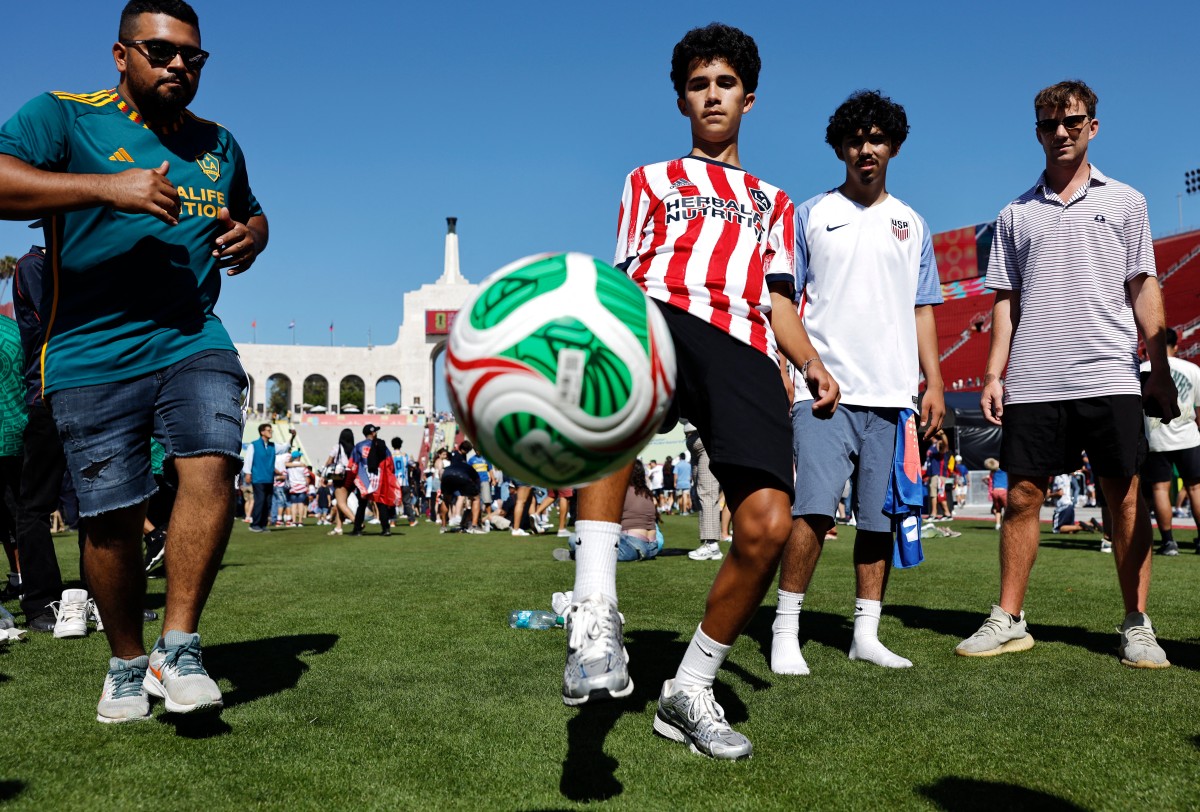
Hidden beneath the ball's surface is a 500 Hz motion sensor chip weighing approximately 14 grams. The sensor detects every touch, kick and header in real time, generating data that can be used instantly by match officials.
From speed and spin to position and trajectory, nearly every aspect of the ball's movement can be tracked with remarkable precision. The technology feeds critical information directly into officiating systems, helping referees make decisions during football's most intense moments.
Why the ball needs charging
Before players step onto the field, the ball itself must be ready for action.
Because TRIONDA contains electronic sensors and tracking components, it requires charging before matches. The powered technology enables the real-time data collection and transmission that make its smart capabilities possible.
In many ways, the ball now arrives as technologically prepared for kickoff as the players themselves.
Speaking to Pakistan TV Digital, sports journalist Muneeb Farrukh said smart-ball technology is likely to have a greater impact on officiating and analysis than on the way football is played.
“Smart-ball technology will probably change football more in analysis and officiating than in the way the game is played itself,” he said.
According to Farrukh, the technology's greatest influence during the 2026 World Cup and beyond will be its ability to assist referees with quicker and more accurate decisions involving offsides, handballs and ball-contact incidents.
Asked whether the sensor could alter the ball's movement, Farrukh noted that the chip's small size makes any significant effect unlikely.
“There's a small sensor chip inside the Trionda which weighs only 14 grams. So on its own, it's not going to dramatically change how the ball moves,” he said.
He explained that one notable change from the ball used at the 2022 World Cup is the placement of the sensor.
“The interesting part is that in the 2022 World Cup ball, the sensor was placed right in the center, and now in 2026 it has been moved to the side.”

According to Farrukh, the adjustment could theoretically create slight differences in spin or curve during flight.
“Adidas has clearly tried to account for this. The ball's panel design and stitching are built to keep the flight as stable and predictable as possible. And the ball has already been tested without any real complaints from players,” he said.
“Maybe it's nothing dramatic, but it's one of those small details that could quietly matter in a tournament where the margins are so thin.”
Three nations, one tournament
The name TRIONDA, which translates from Spanish as “three waves,” reflects another historic first for the World Cup.
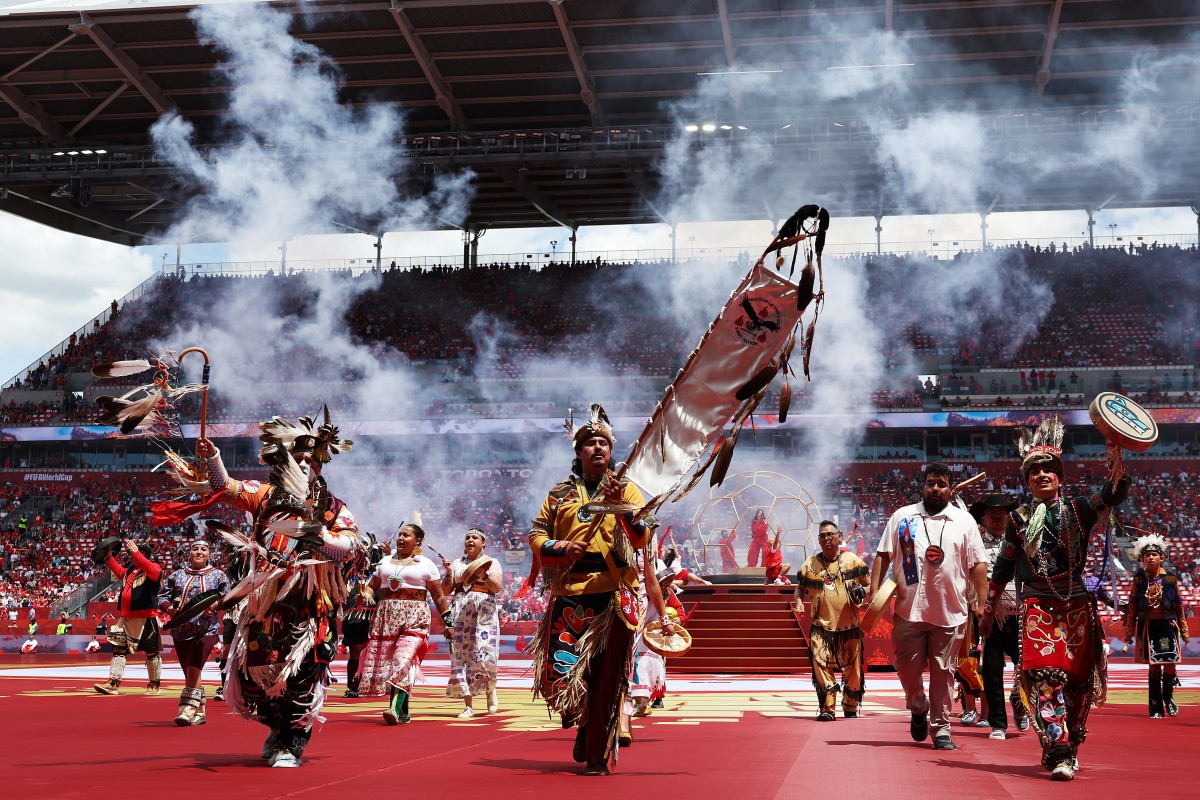
The 2026 tournament is being jointly hosted by the United States, Canada and Mexico, marking the first time three countries have staged football's biggest event together.
Adidas incorporated that identity into the ball's design through bold shades of red, green and blue, representing the three host nations.
The result is a distinctive visual identity that is traveling across North America throughout football's biggest celebration.
From Telstar to TRIONDA
World Cup footballs have often become icons in their own right.
The black-and-white Telstar introduced in 1970 became synonymous with football's television era. The elegant Tango design followed and remained a defining symbol of the game for nearly two decades.
Then came Jabulani in South Africa in 2010, a ball that sparked debate as goalkeepers criticized its unpredictable flight characteristics.
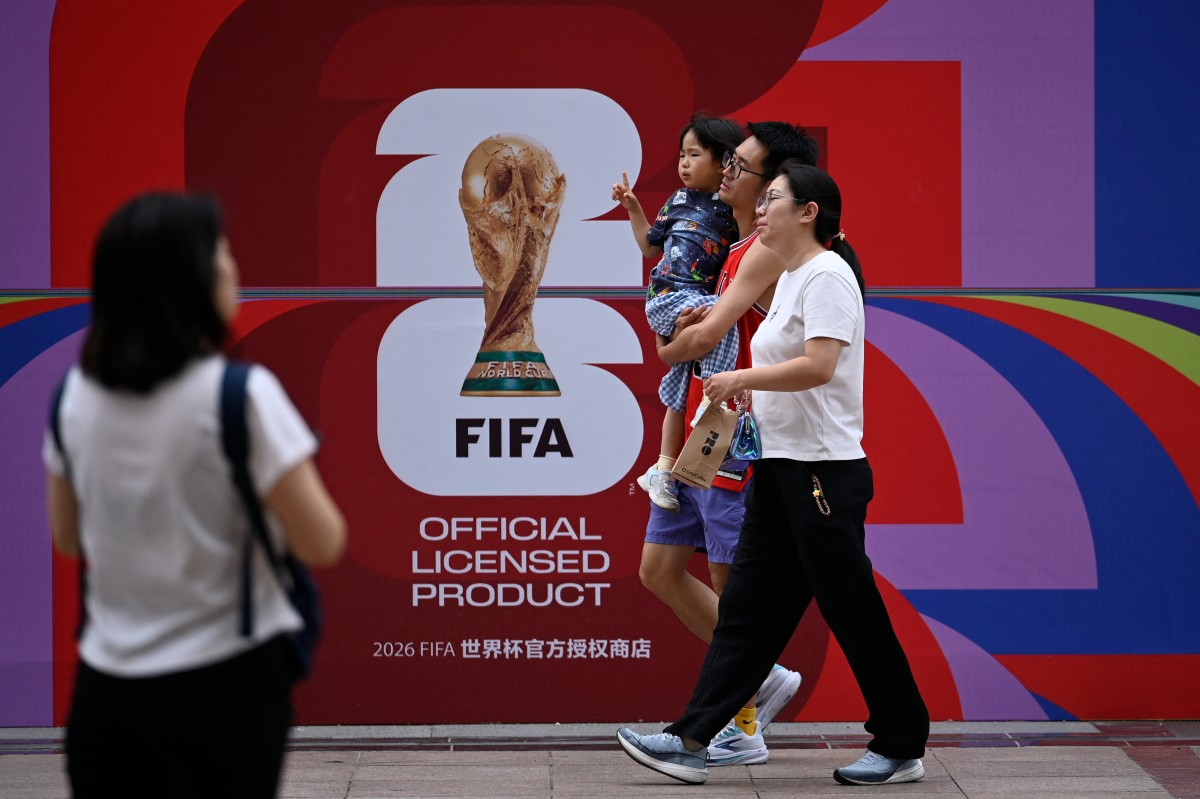
TRIONDA represents the next step in that evolution.
Where previous World Cup balls focused primarily on aerodynamics, materials and design, TRIONDA brings intelligence directly into the game itself.
Every touch recorded
Throughout the tournament, TRIONDA is doing far more than rolling across the pitch.
Every touch from a striker, every pass from a midfielder and every clearance from a defender can be captured and analyzed in real time.
The sensor technology provides levels of detail previously unavailable during live competition, opening new possibilities for officiating, broadcasting and post-match analysis.

Analysts can examine which player generated the fastest shot, produced the most spin or struck the ball with the greatest force during the tournament.
The data promises to add an entirely new layer to football storytelling.
The future of the beautiful game
Artificial intelligence and smart technology are becoming increasingly woven into everyday life, and football is no exception.
From VAR to advanced performance analytics, innovation is reshaping how the sport is played, officiated and understood.
The 2026 World Cup has brought together football's biggest stars and brightest young talents on the sport's grandest stage. Defending champions Argentina arrived seeking to retain the title they won in Qatar in 2022, while a new generation of players looks to leave its mark on history.
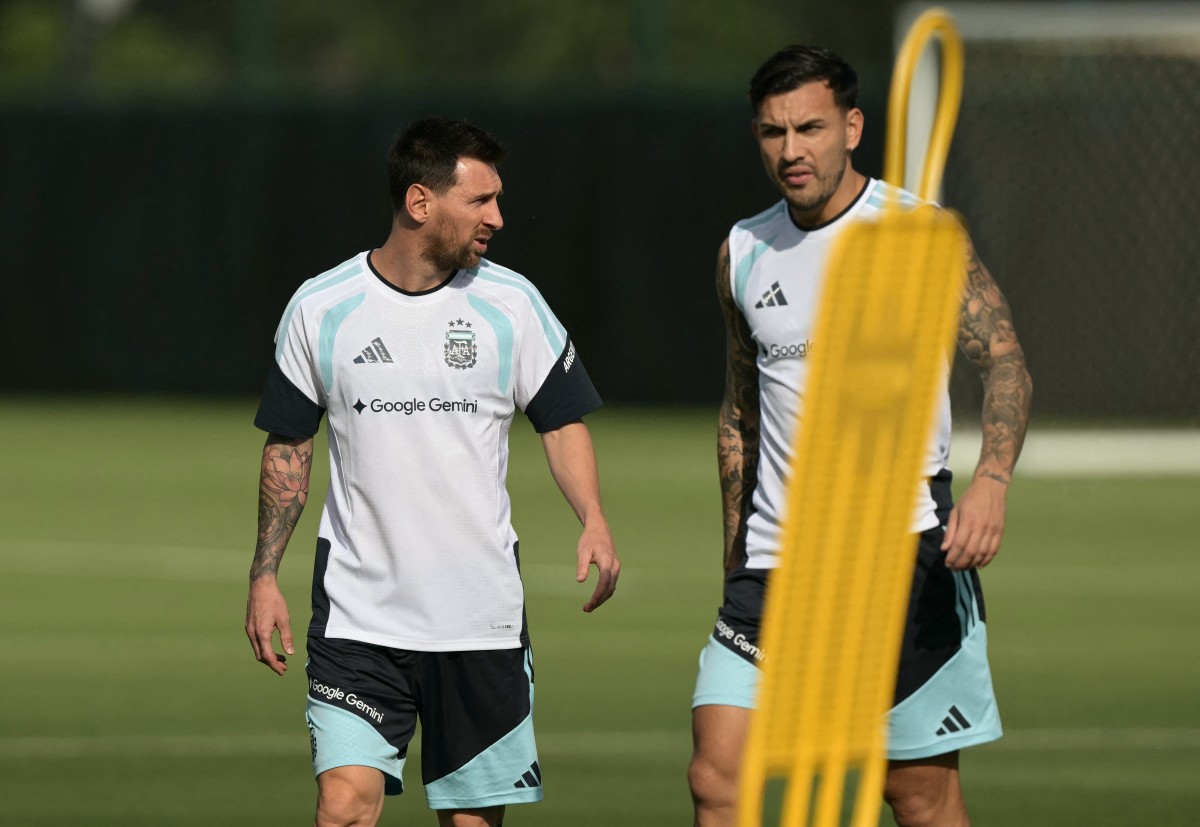
The tournament, which opened on June 11 in Mexico City, will conclude with the final on July 19 at New York New Jersey Stadium.
Featuring 48 teams, 104 matches and 16 host cities across the United States, Canada and Mexico, it is the largest World Cup ever staged.