


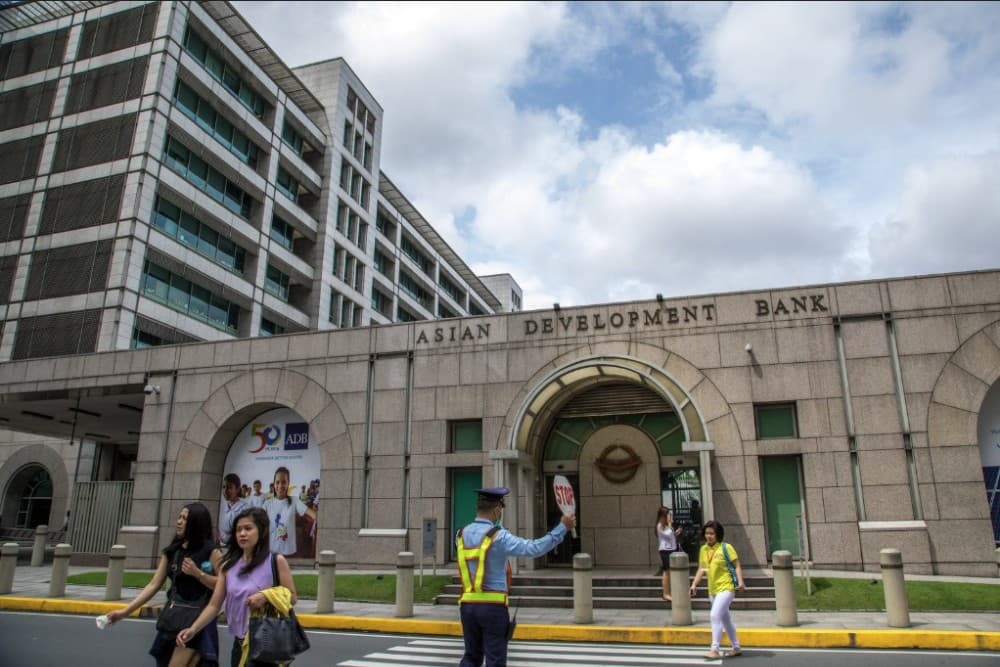
ISLAMABAD: The Asian Development Bank has approved a $700 million policy-based loan for Pakistan to support a major reform program aimed at transforming the country’s insurance sector, expanding financial protection for citizens, and reducing the burden on public finances after disasters and economic shocks, said an ADB statement, posted on its website on Thursday.
Support for Insurance Transformation Program
The ADB statement said that the loan will be used under the Insurance Transformation Program, which seeks to modernize Pakistan’s insurance market, improve access to insurance products, and help households, businesses, farmers, women, and vulnerable communities better manage risks linked to extreme weather, health emergencies, disasters, and life-cycle challenges.
According to the ADB statement, which is also posted on the bank's X account, the program is designed to strengthen Pakistan’s financial resilience by deepening insurance markets and closing protection gaps in a country where insurance coverage remains extremely low.
Pakistan’s insurance coverage remains among the lowest
Pakistan’s insurance penetration currently stands at only 0.7% of GDP, leaving millions of citizens financially exposed to floods, droughts, crop losses, health expenses, accidents, and other unexpected shocks.
The statement further said that the purpose of the loan is to help Pakistan shift its insurance sector from an outdated, rules-based system to a modern, risk-based, and market-oriented framework.
Reforms to modernize regulation and supervision
"The program will support the government and regulators in introducing reforms that encourage innovation, strengthen supervision, attract private sector participation, and make insurance more accessible and responsive to people’s needs," added the statement.
According to the statement, the ADB Country Director for Pakistan Emma Fan said the program supports the transformation of Pakistan’s insurance sector into a more competitive, inclusive, and resilient market.
“This program supports the transformation of Pakistan’s insurance sector from a legacy, rules-based framework to a modern, risk-based, and market-oriented system,” the ADB statement quoted her.
"She added that the reforms would help mobilize long-term capital for development, expand financial protection for households and businesses, and support a stronger insurance market."
Disaster risk financing takes center stage
A major focus of the loan, the statement added, will be on disaster risk financing and climate resilience. Pakistan has repeatedly faced devastating climate-related disasters, including floods and extreme weather events, which place heavy pressure on government finances.
"Through this program, insurance solutions will be developed to help citizens and the state recover faster after such shocks."
New products planned for farmers, women, and vulnerable households
The ADB statement went on to say that the loan will support the expansion of inclusive and shock-responsive insurance products, especially for farmers, women, and vulnerable households.
"These products are expected to help protect people from crop failures, natural disasters, health risks, and income losses."
"For farmers, the program aims to improve access to insurance tools that can reduce financial losses from climate shocks," it added.
"For women and girls, the reforms will support insurance products designed around their specific needs, backed by digital access and sex-disaggregated data to make coverage more targeted and inclusive."
Digital insurance and faster payouts to be promoted
The program will promote the use of digital distribution systems, making it easier for people to buy insurance and receive services through technology.
It will also encourage satellite-based risk assessment, parametric insurance, and risk-pooling mechanisms, which can help provide quicker payouts after floods, droughts, or other disasters.
Claims settlement reforms aim to build public trust
The initiative is also expected to improve claims settlement systems, making insurance services more reliable and accessible for policyholders.
Faster and fairer claims processing is seen as essential to building public trust in Pakistan’s insurance industry.
Capital markets and pension products also in focus
Beyond household and disaster protection, the ADB-supported program will also help Pakistan develop its capital markets and private pension products.
The objective is to mobilize long-term savings for infrastructure financing, bond market development, and annuity-based pension systems.
Private sector participation expected to increase
The program is also expected to encourage greater private sector participation in the insurance industry.
By creating a more modern and competitive market, the reforms aim to attract investment, improve product diversity, and bring more citizens into the formal financial system.
Broader push for economic resilience
Pakistan’s financial system remains heavily dependent on banks, while insurance and pension markets remain underdeveloped.
ADB says this has limited the country’s ability to manage financial risks and mobilize long-term domestic resources.
The $700 million loan is therefore not only aimed at expanding insurance coverage but also at supporting broader economic resilience.
By helping people, businesses, and the government manage risks more effectively, the program is expected to reduce financial vulnerabilities, support faster recovery after crises, and lessen the fiscal burden on the state.
ADB says program supports inclusive growth
ADB said the initiative is part of its broader support for sustainable, inclusive, and resilient growth in Pakistan and across Asia and the Pacific.
The Manila-based lender, founded in 1966, is owned by 69 members, including 50 from the region.