


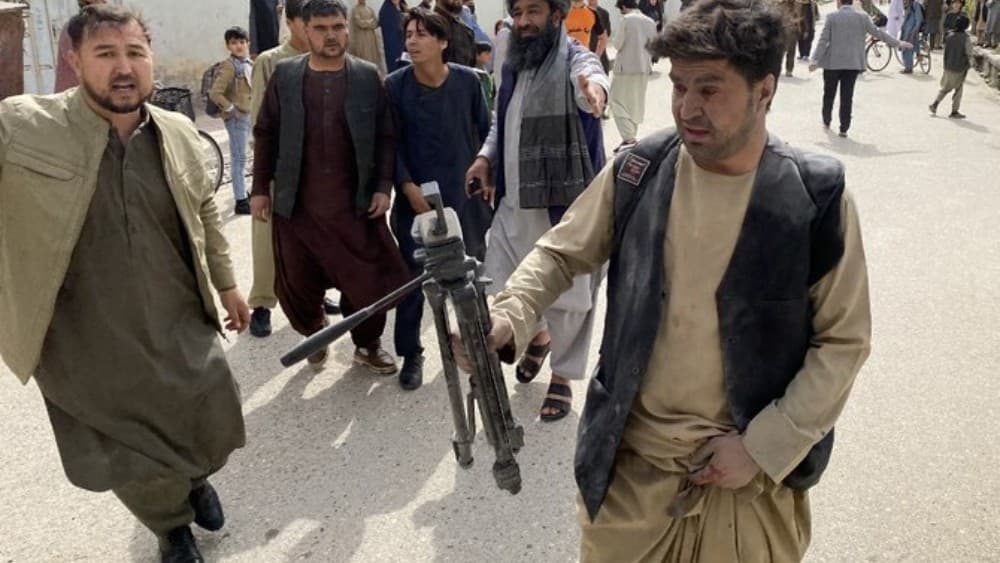
ISLAMABAD: The Afghanistan Media Support Organization (AMSO) says journalists and media organizations are operating in an increasingly hostile environment under the Taliban, with reports of arrests, intimidation and official interference continuing to rise.
In a report released on Sunday, titled Under the Shadow of Fear and Censorship, AMSO examined conditions for the country's media sector between June 10 and July 10, 2026.
The assessment draws on information collected from journalists and media outlets across Afghanistan.
The report evaluates the challenges facing the media in four key areas: the safety and security of journalists, administrative and professional obstacles, technological limitations, and ideological restrictions.
According to AMSO, journalists experienced arbitrary detention, physical abuse, threats and other forms of intimidation during the reporting period.
The organization said several reporters were detained by Taliban intelligence after covering official events, while others were reportedly arrested and assaulted following ordinary disagreements, including disputes over transportation fares.
AMSO also said journalists released from custody were warned not to speak publicly about their treatment or file complaints, creating an atmosphere of fear that has reinforced self-censorship throughout the profession.
The report criticized the Taliban's approach to distributing official information, noting that many spokespersons now issue announcements late at night or via personal social media accounts rather than through established government communication channels during normal working hours.
According to AMSO, these practices have made it more difficult for journalists to obtain official information and, in some cases, have contributed to workplace disputes and financial penalties for media staff.
The organization also reported greater involvement by the Taliban's Ministry for the Propagation of Virtue and the Prevention of Vice in media affairs. It said some radio broadcasters had been warned against airing female voices, while ministry officials continued inspections of media offices.
In addition, AMSO said journalists remained under pressure to comply with Taliban directives regarding personal appearance, including requirements to grow beards.
The report further alleged that Taliban authorities instructed journalists not to report on Afghanistan's economic challenges, rising fuel prices, disagreements within the Taliban administration or details of security-related incidents, whether through traditional media or personal social media platforms.
According to AMSO, journalists who ignored these restrictions faced threats of detention, suspension or other disciplinary measures.
The organization also identified restrictions on smartphone use inside a number of government offices as a major barrier to reporting, saying the policy has limited journalists' ability to gather information, communicate with official spokespersons and record video interviews.
In its concluding assessment, AMSO said Afghanistan's media landscape is confronting a severe and multifaceted crisis.
The organization warned that expanding censorship, tighter controls on access to information and mounting security, financial and psychological pressure on journalists threaten the long-term survival of independent media and risk driving experienced reporters and media professionals out of the profession.