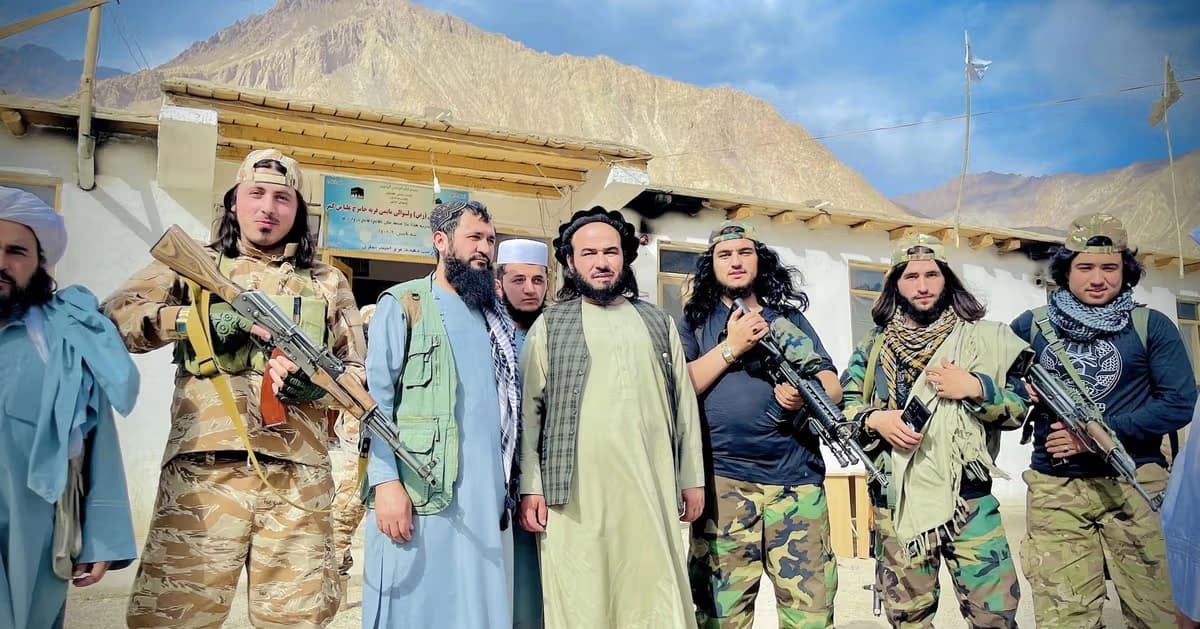
ISLAMABAD: National Resistance Front (NRF) leader Ahmad Massoud has called for a political transition in Afghanistan through the formation of a transitional government, the drafting of a new constitution, the convening of a Loya Jirga (Grand Assembly) and the holding of free and fair elections, describing the process as the only credible path toward a legitimate and inclusive government.
Speaking in an online event, marking the 10th death anniversary of former Afghan jihadi commander Sayed Hussain Anwari, Massoud also rejected claims of divisions among anti-Taliban groups, insisting the opposition remains united around shared principles and a common vision for Afghanistan's future.
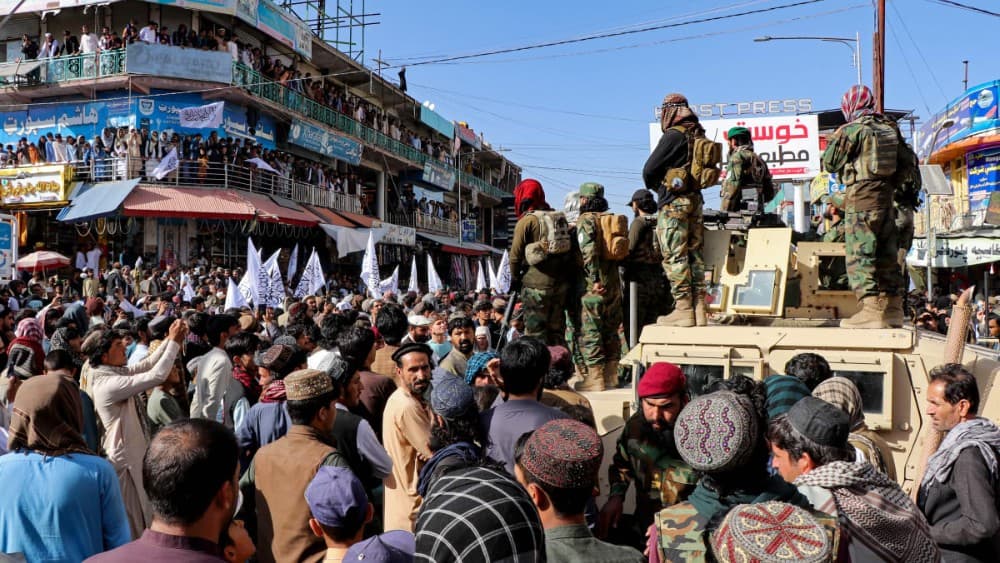
His remarks come as the Taliban regime, which seized power in August 2021 without holding national elections, continues to face international criticism over its restrictions on women and girls, shrinking civic space and alleged links to terrorist groups. At the same time, exiled Afghan political figures and resistance movements have intensified efforts to build international support for a political alternative to Taliban rule.
"We are not divided. We are united, organized and committed to our shared principles and values," Massoud said, urging anti-Taliban political groups and resistance movements to remain vigilant against what he described as attempts to weaken the opposition through divisive narratives.
He said narratives portraying the Taliban's opponents as fragmented were designed to spread despair among the Afghan people and the international community.
Questioning the Taliban's popular support, Massoud argued that the group would not be able to defeat established political leaders in a genuinely free electoral contest.
Citing former Afghan Vice President Abdul Rashid Dostum as an example, he said leaders with broad public backing would defeat Taliban candidates if Afghans were allowed to vote freely.
Massoud rejected the notion that there is no alternative to Taliban rule, saying the alternative lies in a lawful, constitutional and nationally accepted political process rather than any single individual.
Massoud is the son of Ahmad Shah Massoud, the late anti-Taliban commander known as the "Lion of Panjshir," who led resistance against Soviet forces during the 1980s and later commanded the Northern Alliance after the Taliban captured Kabul in 1996. He was assassinated by al-Qaeda suicide bombers on September 9, 2001, two days before the 9/11 attacks.
Afghanistan has remained mired in political, economic and humanitarian crises since the Taliban returned to power in 2021. The regime has yet to establish an inclusive political process or hold national elections, while sweeping restrictions on women, curbs on civil liberties and worsening economic conditions have drawn repeated criticism from the United Nations and international human rights organizations. Although exiled politicians and resistance movements have launched several initiatives to forge a united opposition, they have yet to establish a broad-based coalition capable of presenting a coordinated political alternative to the Taliban administration.
Massoud's call for political transition comes amid renewed international scrutiny of Taliban rule.
In its latest Global Conflict Tracker, published by the Council on Foreign Relations (CFR) on July 6, 2026, the US-based think tank said the Taliban has consolidated absolute control over Afghanistan by enforcing its strict interpretation of Sharia law.
The assessment warned that terrorist groups, including al-Qaeda, continue to use Afghan territory as a hub for recruiting, training and deploying militants beyond the country's borders, posing a continuing threat to neighboring countries and regional stability.
The CFR also highlighted the Taliban's continued restrictions on women and girls, noting that the ban on secondary education for girls remains in force while women continue to face restrictions on travel and public life.
According to the think tank, Afghanistan continues to face a persistent terrorist threat, with militant groups operating under Taliban rule posing a serious challenge to the country's security and long-term regional stability.

.jpg&w=3840&q=75)


.jpg&w=3840&q=75)