

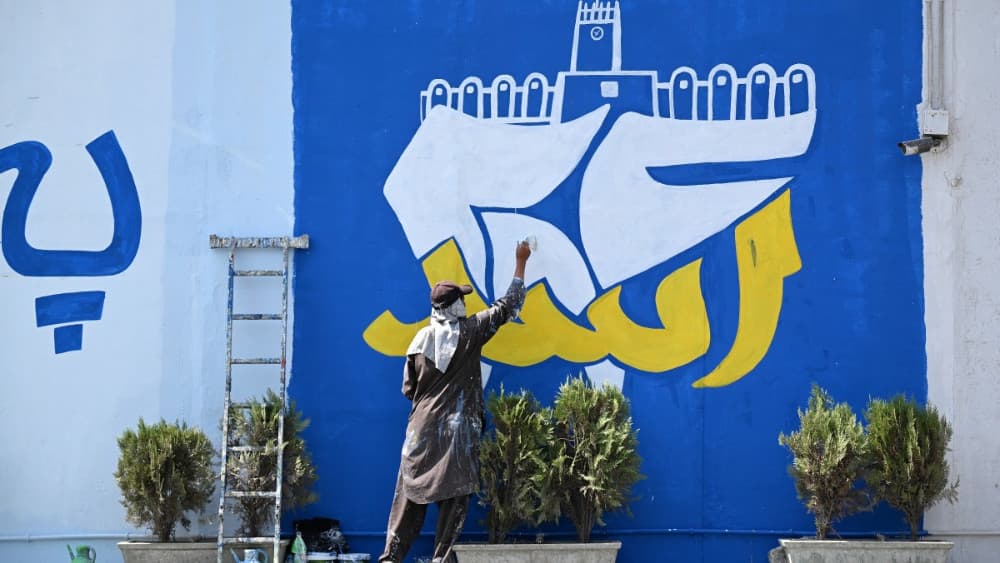
ISLAMABAD: Five years after the Taliban seized power in Kabul on August 15, 2021, following the withdrawal of US forces, Afghanistan's security situation has not stabilized, either inside the country or across the region.
The group has consolidated control but remains largely unrecognized internationally. Russia became the first country to formally recognize the Taliban government, in July 2025, and remains the only one to have done so.
Insurgency spreading
The Khorasan chapter of Daesh has not been contained since the takeover but has expanded, according to threat assessments by the US Department of Homeland Security (DHS) and the Global Terrorism Index (GTI).
Taliban raids ostensibly degraded Daesh-Khorasan chapter strongholds in Nangarhar and Kunar but the network dispersed cells into new provinces, including Bamyan, Daikundi and Ghor.
Afghanistan's terrorist threat remains unchanged, with groups continuing to threaten neighboring states and Central Asia, according to the UN Security Council's 38th Sanctions Monitoring Team report.
Armed actors multiply
Where the pre-takeover conflict pitted a single insurgency against the state, Afghanistan now hosts several armed movements operating at once, according to the European Union Agency for Asylum.
Alongside Daesh-Khorasan faction, the National Resistance Front and the Afghanistan Freedom Front have carried out hit-and-run attacks and ambushes on Taliban forces from mountainous provinces, the agency reported.
Taliban forces have responded with collective punishment and arbitrary detention of civilians suspected of aiding resistance fighters, according to the agency.
The Armed Conflict Location and Event Data Project (ACLED) recorded more than 1,000 incidents of violence against civilians committed by the Taliban between August 2021 and mid-2023 alone, ranking the group among the most active perpetrators of state violence against civilians worldwide
Neighbors voice alarm
Taliban support for the Tehreek-e-Taliban Pakistan (TTP) has fueled attacks on Pakistan and contributed to military exchanges between the two countries, according to the Sanctions Monitoring Team report.
Pakistan's Foreign Office said the Afghan Taliban had provided "support and facilitation" to the TTP, enabling attacks on Pakistani soldiers and civilians along the border. ISPR, the military's spokesperson office, said Afghanistan had become "a center point where terrorists of all kinds are being nurtured."
President Asif Ali Zardari said Pakistan expected Kabul to prevent terrorist activity from its territory. Following Prime Minister Shehbaz Sharif's visit to Beijing, China and Pakistan said in a May 26 joint statement that no group, including the TTP, should use Afghan soil to threaten regional security.
Central Asian states voiced similar concerns. Addressing the UN General Assembly in September 2025, Uzbek President Shavkat Mirziyoyev said it was "impossible to overlook the issue of Afghanistan" in discussing regional security.
Uzbekistan's State Security Service later named terrorism, border security, drug trafficking and extremism among the country's key challenges.
Afghan Foreign Minister Amir Khan Muttaqi told Central Asian diplomats in Kabul in April that the Taliban would act against groups threatening neighboring states.
Where the Taliban's 2021 takeover ended two decades of frontline warfare between the state and a single insurgency, the security landscape five years on is defined by multiple active fronts: an expanding Daesh-Khorasan network, armed resistance in the mountains, and a widening rift with neighboring states over cross-border terrorism.