


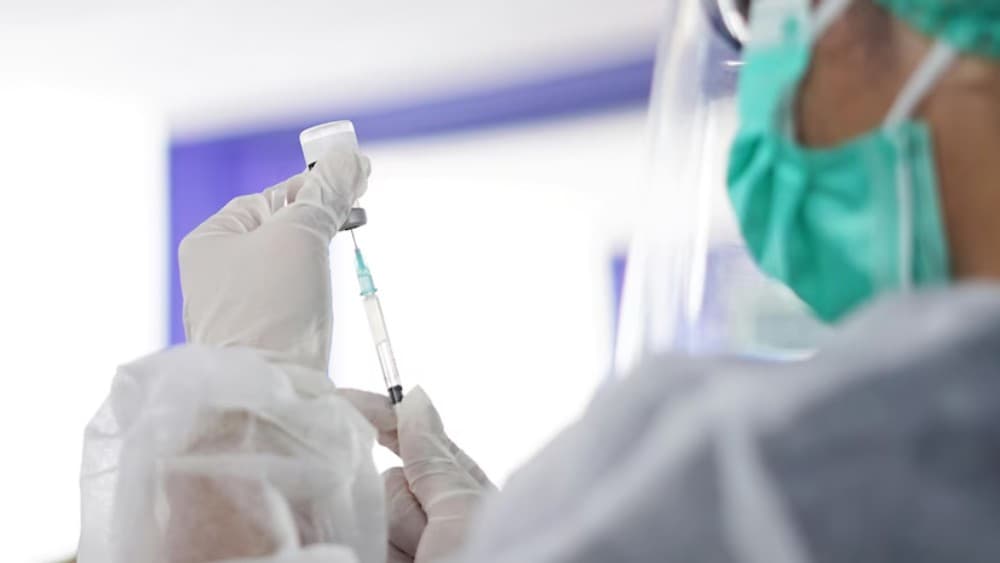
ISLAMABAD: Moderna and Merck said in a joint statement on Thursday that a personalized cancer vaccine they developed has delivered a historic breakthrough in the fight against melanoma, the deadliest form of skin cancer.
The companies announced that their experimental mRNA-based vaccine met key goals in a large Phase 3 clinical trial, marking the first late-stage success for an individualized mRNA cancer therapy.
The statement said, “The results have raised hopes that personalized vaccines could transform cancer treatment in the coming years.”
The statement further said that the vaccine, called Intismeran Autogene (V940), was tested alongside Merck’s widely used immunotherapy drug Keytruda (pembrolizumab) in patients with high-risk melanoma who had undergone surgery.
According to the companies, the combination significantly reduced the risk of cancer returning and delayed the spread of the disease to distant parts of the body compared with Keytruda alone.

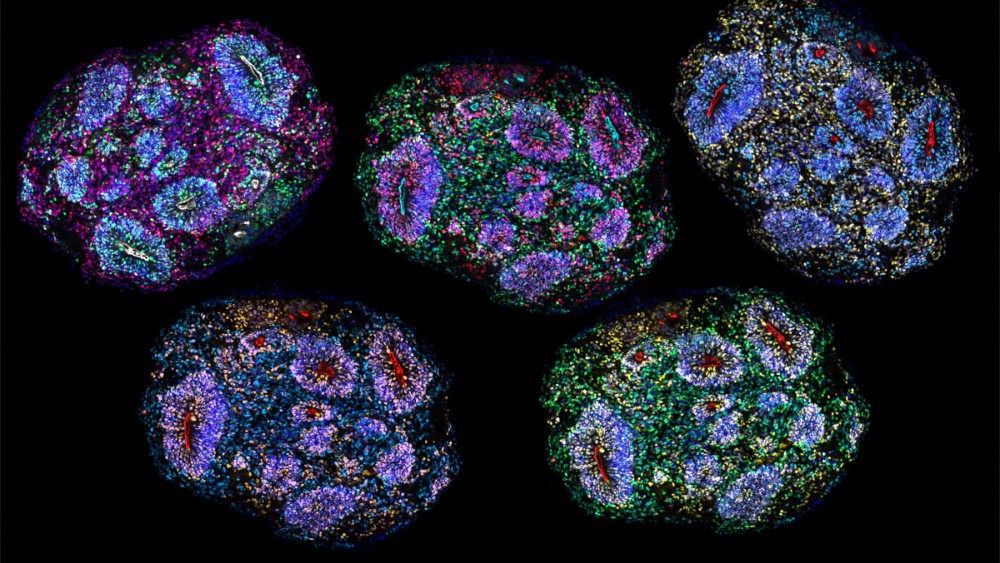
First phase 3 success for an mRNA cancer vaccine
The international INTerpath-001 Phase 3 trial enrolled 1,137 patients with Stage IIB, IIC, III, or IV melanoma who had undergone complete surgical removal of their tumors and had not received prior systemic treatment.
"Patients received either the personalized vaccine plus Keytruda or Keytruda alone for approximately one year," the statement added.
At a planned interim analysis, researchers found that the vaccine combination produced statistically significant and clinically meaningful improvements in two major measures: recurrence-free survival, meaning patients remained cancer-free longer, and distant metastasis-free survival, meaning the cancer was less likely to spread to other organs.
The study will continue to monitor participants and evaluate whether the treatment also improves overall survival.
How does personalized vaccine work?
Unlike traditional vaccines that prevent infections, this is a therapeutic cancer vaccine tailored to each patient.
Scientists analyze a patient’s tumor DNA, identify unique cancer mutations called neoantigens, and create a customized mRNA vaccine that trains the immune system to recognize and destroy remaining cancer cells after surgery.
Researchers believe this personalized approach could become a powerful new weapon against several solid tumors beyond melanoma.
Hope beyond melanoma
The announcement is being hailed as a milestone for both cancer research and mRNA technology, which gained global attention during the COVID-19 pandemic.
Health experts say these results could accelerate the development of similar personalized vaccines for lung, bladder, and other cancers, with Moderna and Merck already testing them.
Following the announcement, Moderna's shares surged on Wall Street, and Merck’s stock also posted strong gains as investors welcomed the breakthrough.
The companies say they are in discussions with regulators and plan to present detailed trial results at an upcoming international medical conference before seeking regulatory approval.