

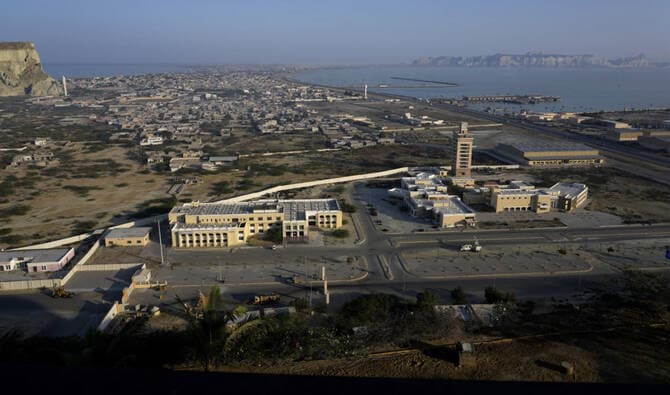
ISLAMABAD: The Pakistan government has shifted its strategy in Balochistan from a security-centric approach to one focused on development and inclusion, launching a series of major infrastructure, education, and employment projects aimed at addressing the root causes of unrest in the province.
In a statement following a meeting of the Executive Committee of the National Economic Council (ECNEC), the government announced approval of several new schemes, including road networks, energy projects, hospital upgrades, and university expansions. Officials said the initiatives are intended to bridge the long-standing economic and infrastructure gap between Balochistan and other regions of the country.
The policy shift reflects a growing recognition among policymakers that lasting peace in Balochistan cannot be achieved through force alone.
Speaking to Pakistan TV Digital, Balochistan’s Planning Minister Zahoor Buledi said the development initiatives would “effectively counter the Indian-sponsored terrorists’ narrative of deprivation” and reinforce the government’s efforts to restore peace and stability in the province.
“These projects will help dismantle the false sense of marginalization that external elements have used to mislead our youth,” Buledi said, adding that the government’s focus on inclusive growth would serve as the most effective response to extremism and separatism.
The government has also introduced over 60,000 paid internships nationwide, with 10,000 special placements reserved for Balochistan’s youth under the Baikhtiar Naujawan Internship Program.
Additionally, it expanded the Uraan Pakistan Scholarship Program to create more higher-education opportunities for Baloch students, particularly women.
Planning Minister Ahsan Iqbal said the initiatives form part of a broader effort to promote inclusive growth across Balochistan.
“Our goal is to ensure that every young person in Balochistan has access to education, training, and opportunity,” Iqbal said. “Peace is not imposed — it is built through justice, participation, and development.”
The shift in tone has also been echoed by the security establishment. Earlier this month, Chief of Army Staff Field Marshal Syed Asim Munir described the people of Balochistan as “patriotic and resilient contributors to Pakistan’s future,” emphasizing that development and inclusion are “essential pillars of national unity.”
Analysts say the renewed focus on socioeconomic uplift marks a critical turning point after years of conflict. If sustained, it could lay the groundwork for a new chapter in Balochistan’s integration and stability.