


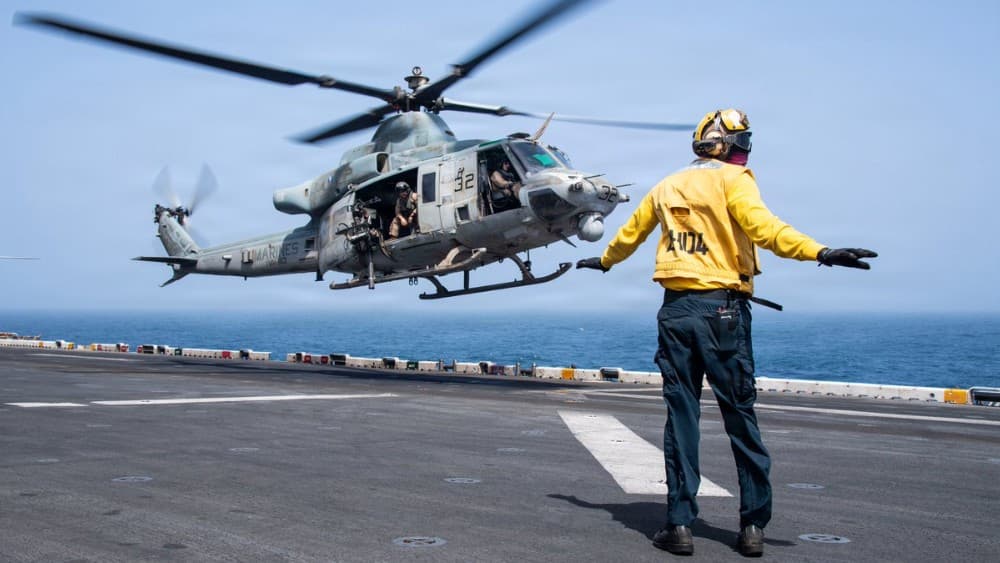
ISLAMABAD: The Strait of Hormuz remains under intense maritime and military pressure as the United States launches its largest wartime operation to secure the strategic waterway, striking dozens of Iranian targets and claiming to escort a record number of commercial vessels through the Gulf amid renewed hostilities with Tehran.
The latest US campaign marks a significant shift in Washington’s strategy, from primarily defending freedom of navigation to directly targeting Iranian military infrastructure and state-owned oil assets in retaliation for attacks on commercial shipping.
US officials say the operation is aimed at preventing Iran from threatening one of the world’s busiest energy corridors.
US launches largest Hormuz operation
According to US officials cited by CNN and other media outlets, American forces carried out strikes on around 60 military targets across southern Iran while simultaneously escorting 40 commercial vessels carrying nearly 18 million barrels of crude oil through the Strait of Hormuz on Tuesday, the largest single-day escorted oil transit since the conflict began earlier this year.
The targets included Iranian radar installations, missile systems, maritime assets and facilities near the Strait that Washington says could be used to lay naval mines or attack shipping.
President Donald Trump described the strikes as a warning to Tehran.

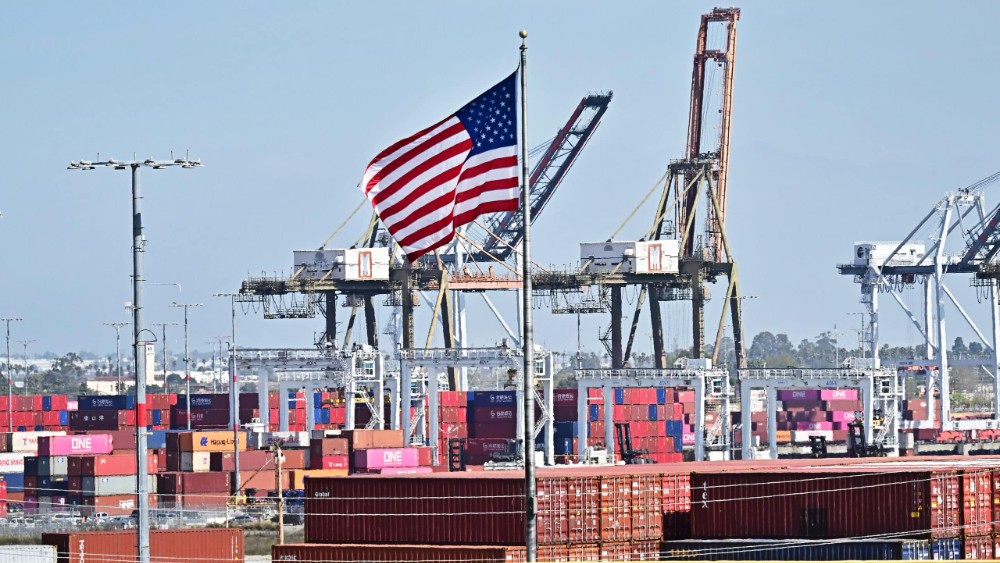
“We took out all of the new equipment that they tried to build along the Strait of Hormuz, some defensive, some offensive. It was a very heavy attack, and we're prepared to do another one any time we want,” Trump told reporters at the White House.
Trump also said the renewed US military campaign “won’t last too long” but warned Iran against further attacks on commercial vessels or US forces in the region.
Shipping traffic drops despite naval escorts
Despite the large US escort operation, commercial traffic through the Strait of Hormuz remains well below normal levels.
Only six commodity vessels transited the Strait on Wednesday, compared with 11 a day earlier and far below the recent daily average, according to shipping intelligence firm Kpler.
The vessels included two very large gas carriers and four crude tankers.
Maritime analysts say that insurers and shipping companies remain reluctant to send vessels through the waterway because of missile attacks, drones and sea mine threats.
“The question everyone has been asking about the Strait of Hormuz is the wrong one. Can vessels pass? Technically yes. But that is no longer the real measure of risk,” Kpler said in an assessment of the crisis.
The firm said compliance risks, insurance premiums and the possibility of attacks during transit have become the biggest concerns for global shipping companies.
Tanker attacks heighten fears
Tensions escalated further after two tankers carrying Saudi crude were struck by unidentified projectiles near Khasab, Oman, earlier this week.
The Saudi-flagged Sidr and Liberian-flagged Senegal Prosperity sustained damage while carrying Saudi oil through the Strait, reinforcing fears that commercial vessels remain vulnerable even under heightened naval surveillance.
The International Maritime Organization (IMO) warned that attacks on merchant shipping continue to threaten seafarers and global trade.
“Threats and attacks against merchant ships have adversely affected commercial vessels and threatened the safety and welfare of seafarers,” the IMO said, calling for coordinated international efforts to ensure safe passage through the Strait.
Strategy shifts to 'tanker for tanker'
US officials say Tuesday’s strikes also introduced a new “tanker for tanker” policy, under which American forces directly targeted Iranian government oil tankers for the first time in response to Iranian attacks on commercial shipping.
The strikes hit two Iranian state-owned tankers as part of the broader operation against military and maritime targets, signaling a tougher US approach to deterring Iranian actions in the Gulf.
Iran has responded by expanding its blacklist of vessels allowed to transit the Strait, adding 11 more ships and warning that vessels cooperating with blacklisted carriers could face sanctions.
Oil markets remain on edge
The Strait of Hormuz carries roughly 20% of global seaborne oil and LNG trade, making it one of the world’s most strategically important maritime chokepoints.
Although Tuesday’s escorted convoy demonstrated that large volumes of oil can still move through the Strait, analysts say the operation also highlights the extraordinary military resources now required to keep the waterway open.
Brent crude continues to trade near $95 per barrel as markets weigh the risk of further military escalation and additional disruption to Gulf energy exports.