


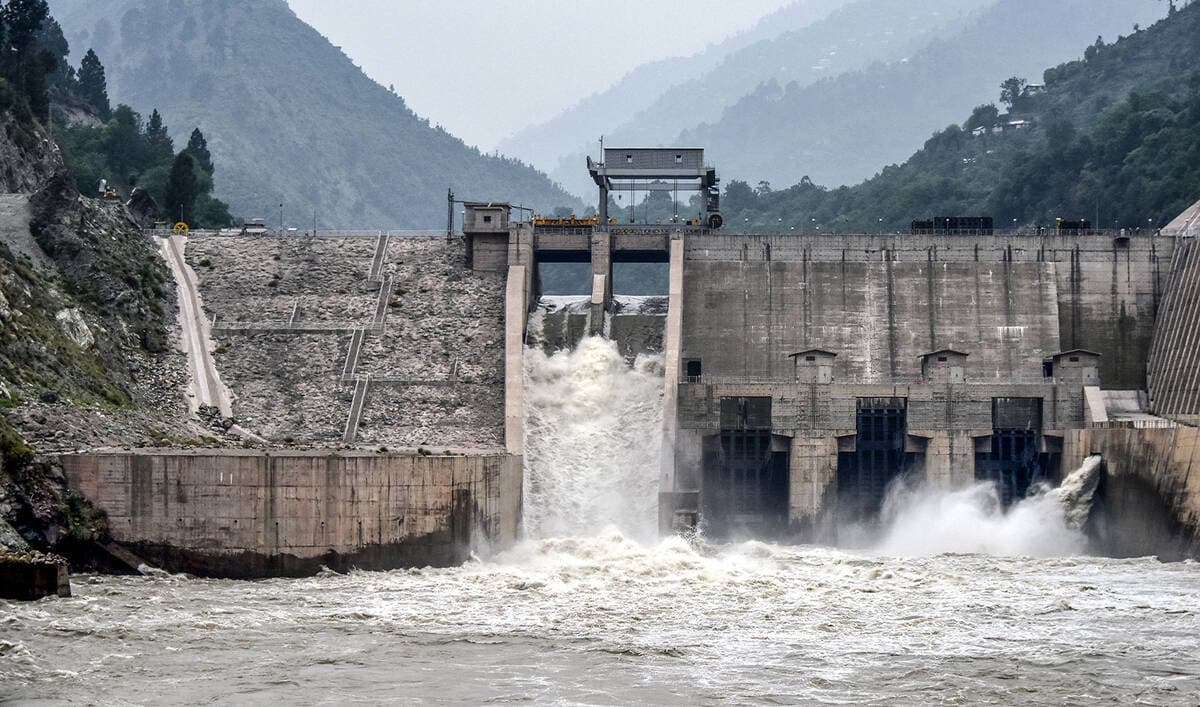
ISLAMABAD: The suspension of the Indus Waters Treaty (IWT) is a dangerous turning point for water security in South Asia, warning that the move could have far-reaching consequences for regional stability, agriculture and human livelihoods, according to a report in the French leading daily newspaper Le Monde.
The report published on Saturday said India had used water as a tool of political pressure following the April 2025 Pahalgam incident, raising concerns over the future of one of the world's most important transboundary water-sharing agreements.
According to the report, the Indus Waters Treaty cannot be unilaterally suspended, and any modification to the agreement requires the consent of both Pakistan and India. The report noted that the Permanent Court of Arbitration has also affirmed that the treaty remains in force.
It highlighted concerns over India's alleged withholding of hydrological data, saying the lack of information has made it more difficult for Pakistan to issue timely flood warnings and prepare for water-related disasters.
The report focused on the impact of recent flooding in Pakistan's Punjab province, where farmers suffered heavy losses due to sudden floods, crop destruction and large deposits of sand left on agricultural land.
Families living along the Chenab River told the newspaper they had lost livestock, crops and household belongings as floodwaters swept through their communities.
The report also presented Pakistan's position that any attempt to stop or divert water flows would be viewed as a serious provocation. It cited statements by Indian leaders as examples of the political use of water resources.
The report referred to remarks by Indian Home Minister Amit Shah regarding restricting water flows to Pakistan, noting that Islamabad had described such threats as "water terrorism."
It said Pakistan's concerns go beyond politics, touching on human rights, food security and national survival. It noted that more than 80 percent of Pakistan's agriculture depends on the Indus River system, which remains vital to the country's economy and population.
The French daily also pointed out that India itself faces concerns over upstream water pressure from China, particularly regarding the Brahmaputra River, creating a situation similar to Pakistan's concerns over India's control of river flows.
The report argued that the water dispute is no longer merely a bilateral issue but has become a broader question of environmental and regional security across South Asia.
It stressed that climate change, glacier melt and rapid population growth have made cooperation between Pakistan and India on water management more important than ever.
The newspaper emphasized that transparent sharing of hydrological data is essential for protecting human lives and reducing the risks posed by floods and other water-related disasters.
The report warned that India's unilateral approach could set a dangerous precedent for international river laws and the rights of downstream countries, while reinforcing Pakistan's position that water should never be used as a weapon of war, coercion or retaliation.