


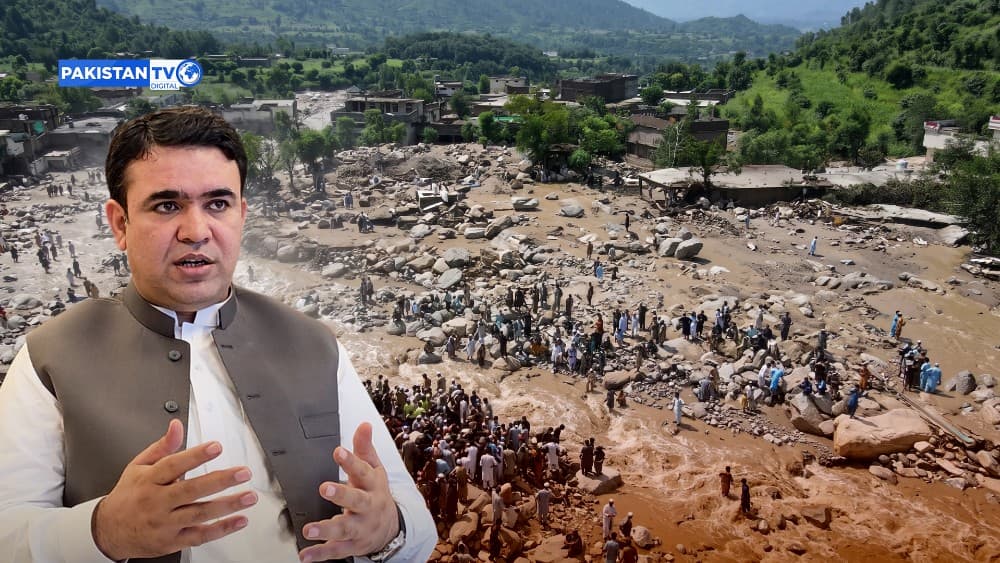
ISLAMABAD: In response to escalating climate threats, Khyber Pakhtunkhwa has officially launched Pakistan’s first-ever sub-national Disaster Risk Reduction Policy.
Developed in collaboration with the German government and Deutsche Gesellschaft für Internationale Zusammenarbeit (GIZ), the landmark policy marks a shift from traditional post-disaster response toward proactive, science-based preparedness and risk mitigation.
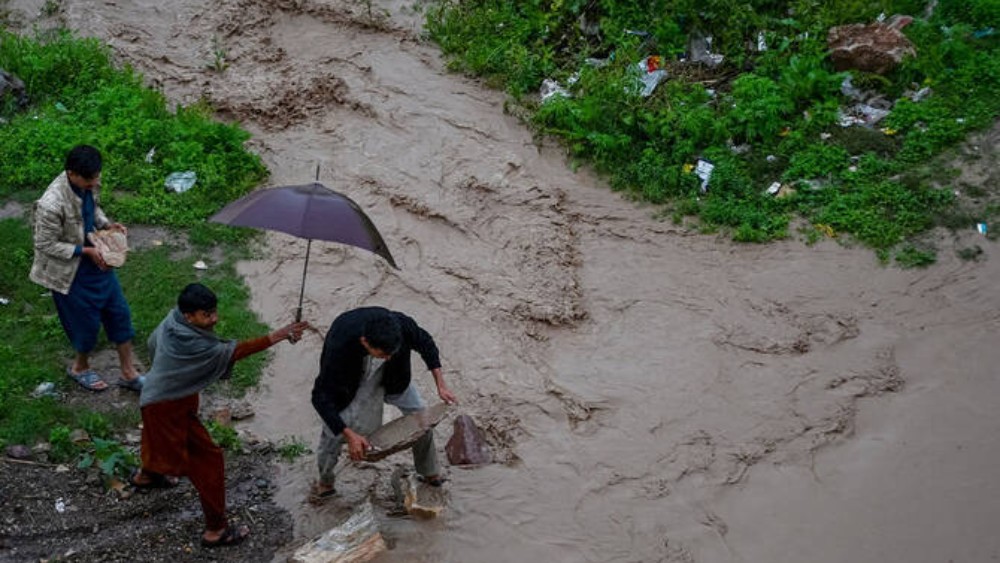
According to Arifullah Awan, Director General of the Provincial Disaster Management Authority, climate change is no longer a distant threat but an active, daily reality. Located on the front lines of extreme weather events in Pakistan, Khyber Pakhtunkhwa faces annual, calendar-like monsoon disasters.
“Out of the province’s 40 million citizens, roughly 15% to 20% across 18 districts — particularly in the Malakand and Hazara divisions — remain vulnerable to cloudbursts, flash floods, landslides, and Glacial Lake Outburst Floods,” said Awan when speaking to Pakistan TV Digital.
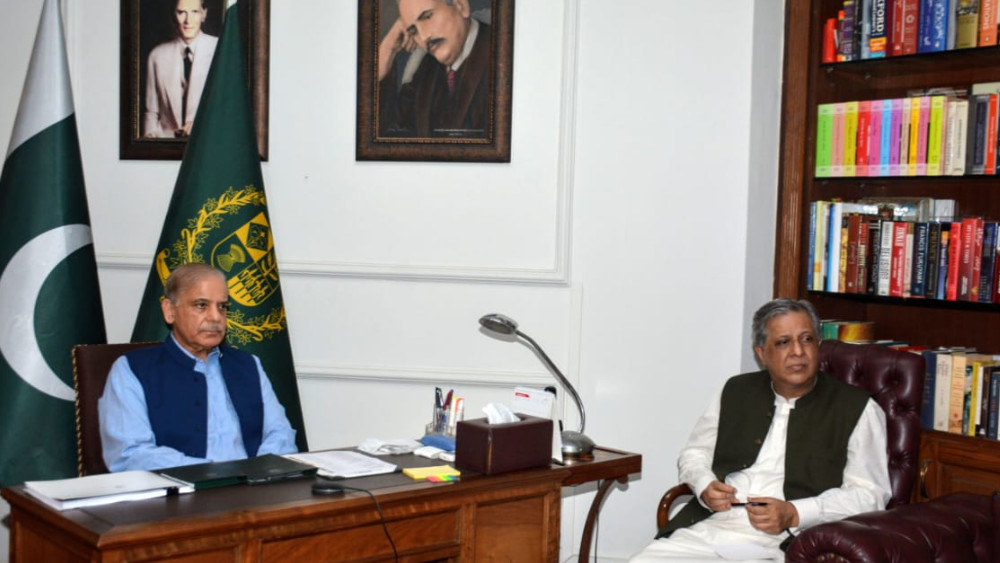
The policy was launched at an event last week attended by multiple government officials, as well as Dr Meriam Bodenheimer and Ms. Johanna Knoess, representatives of the German government and GIZ, among other distinguished guests.
The newly implemented policy restructures provincial disaster governance around five strategic pillars.
First, it upgrades monitoring technology and empowers local community leaders, shortening the window between hazard detection and emergency response.
Second, it strengthens institutional collaboration across provincial agencies — including Local Government, Communication and Works, Irrigation, and Public Health Engineering — extending coordination down to the district and tehsil levels.
Third, it replaces slow, manual bureaucracy with financial technology (FinTech) solutions. By establishing bank accounts for vulnerable populations in advance, the policy enables rapid, transparent monetary compensation transfers, bypassing middlemen.
Fourth, it introduces area-specific risk assessments to tailor emergency response protocols to the precise profile of each district, while prioritizing the most vulnerable groups — women, children, and persons with disabilities — through institutionalized dignity kits and adaptive social protection regimes.
Taken together, by linking climate risk management directly with social protection and local decision-making, the policy establishes clear departmental accountability and shifts disaster management from something done for the people to something led by the people.
As the first province in Pakistan to implement such a comprehensive mechanism, Khyber Pakhtunkhwa's model is already attracting international interest for climate adaptation across vulnerable regions. Many international universities and NGOs have shared interest in collaborating on research and training.