


ISLAMABAD: Malaysia and Pakistan are moving to strengthen cooperation against narcotics trafficking, with Kuala Lumpur seeking a more structured partnership with Islamabad to counter increasingly complex drug networks and trafficking routes linked to Afghanistan.
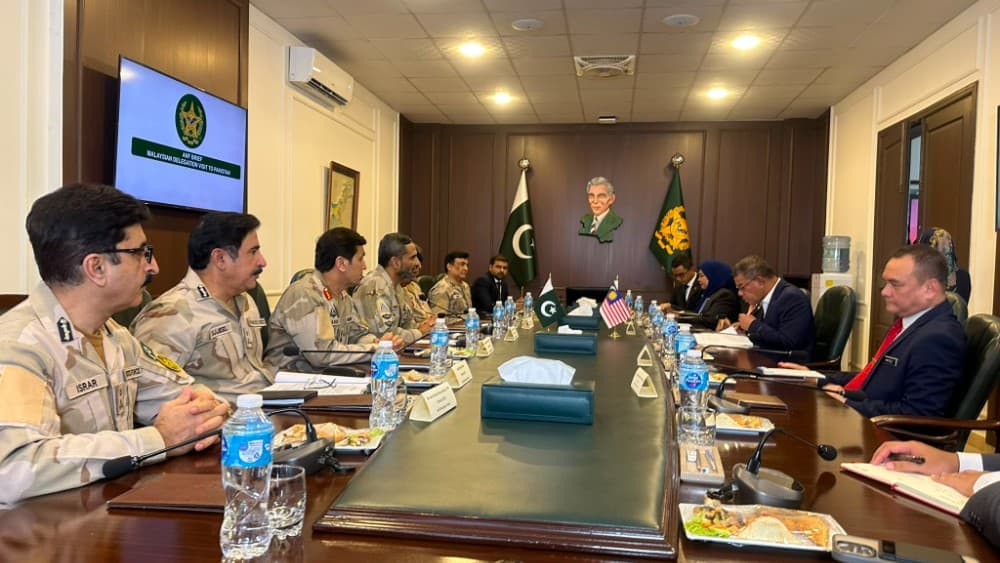
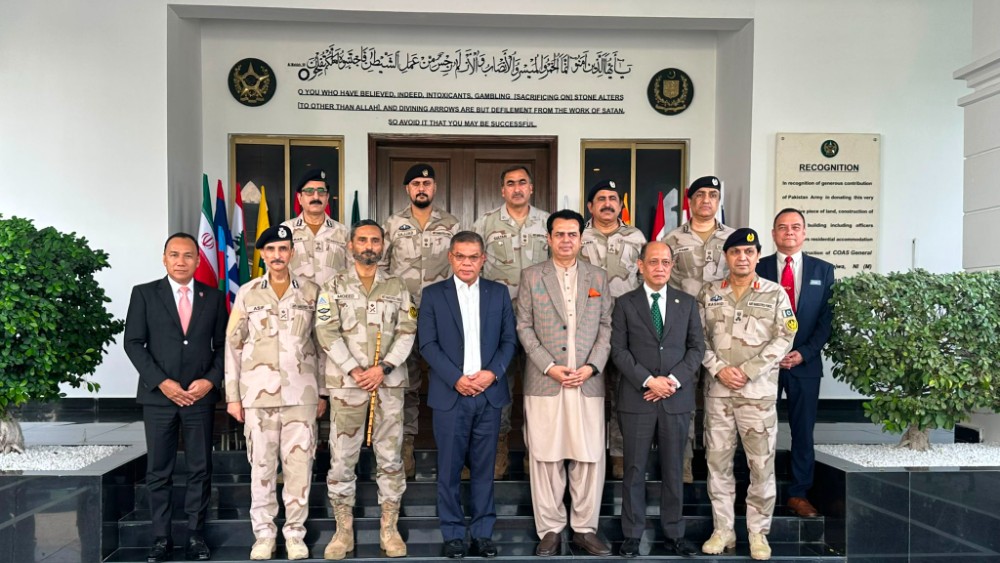
The issue emerged during Malaysian Home Minister Dato' Seri Saifuddin Nasution Ismail’s official visit to Pakistan, during which he held a series of meetings with senior Pakistani officials and visited the headquarters of the Anti-Narcotics Force (ANF) in Islamabad.
In a statement shared on his X account, Saifuddin said he was briefed by ANF Director General Major General Abdul Moeed on current drug threats, regional smuggling routes and the force’s enforcement operations.
He said the narcotics threat was becoming increasingly complex, particularly because of the growing prevalence of synthetic drugs such as methamphetamine and the involvement of transnational organized crime networks operating across borders.
“Pakistan’s position, which directly faces drug flows from Afghanistan, makes cooperation with this country important to Malaysia, particularly when smuggling routes also extend to East Asia and Southeast Asia,” Saifuddin said.
He stressed that the threat could not be addressed solely within national borders or the ASEAN region.
The Malaysian minister said Pakistan and Malaysia had a foundation for operational cooperation, including more than 28 cases coordinated between the two countries from 2012 to 2018.
Pakistan and Malaysia have historically enjoyed close and cordial relations, with Pakistan being among the first countries to establish diplomatic relations with Malaysia in 1957. Over the decades, the two countries have expanded their partnership across political, economic, defense and people-to-people ties.
The visiting minister said Malaysia wanted to revive and expand that cooperation through more active intelligence sharing, coordinated intelligence-led operations, training and exchanges of expertise between enforcement agencies.
Saifuddin also said the two sides had discussed a proposed Memorandum of Understanding on narcotics cooperation, which would provide a more structured framework for strengthening existing coordination.
Pakistan’s Interior Ministry separately said the two countries had agreed to enhance intelligence sharing to combat terrorists and drug traffickers and to develop a joint strategy against terrorism, narcotics trafficking and human smuggling.
The understanding was reached during Saifuddin’s meeting with Interior Minister Mohsin Naqvi at the Interior Ministry on Saturday.
The two sides also discussed cooperation in counterterrorism, counter-narcotics, illegal immigration and cybercrime, as well as training programs and coast guard cooperation.
Pakistan has repeatedly raised concerns over security threats and illicit activities emanating from Afghanistan and called for effective measures by the authorities in Kabul.
Pakistani military officials have also highlighted the need for the Afghan authorities to prevent their territory from being used by militant and criminal networks.
The latest discussions place narcotics cooperation within that broader regional security context, while also reflecting Malaysia’s concern that trafficking networks operate beyond individual countries and regions.
Saifuddin said cooperation between enforcement agencies could not remain limited to agreements on paper.
“Information must be shared, intelligence must be translated into action and international networks must be utilized to break the supply chain before drugs reach our countries,” he said.
The proposed MoU, alongside intelligence sharing, coordinated operations and law-enforcement training, could provide a more formal framework for Pakistan and Malaysia to address the transnational nature of the narcotics trade.
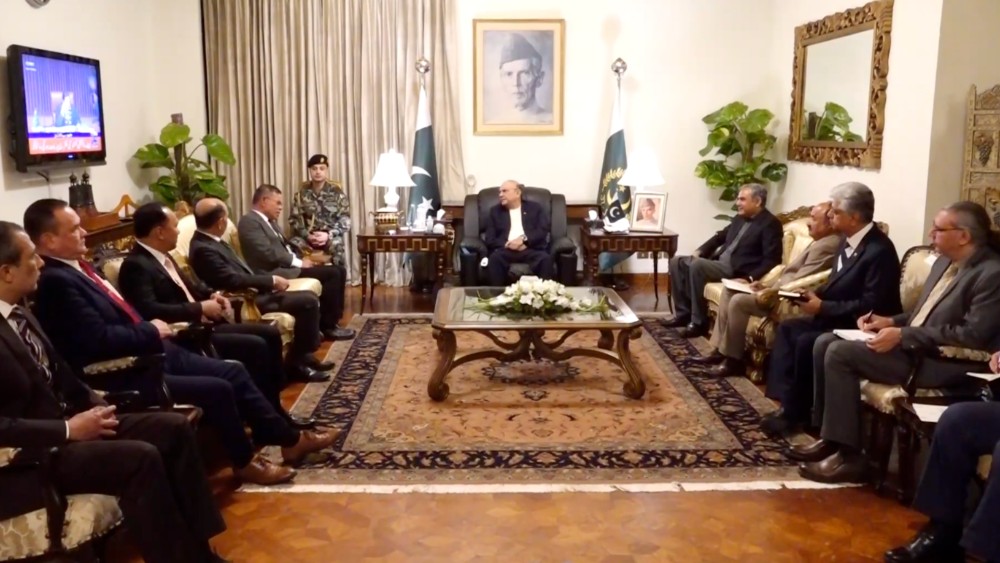
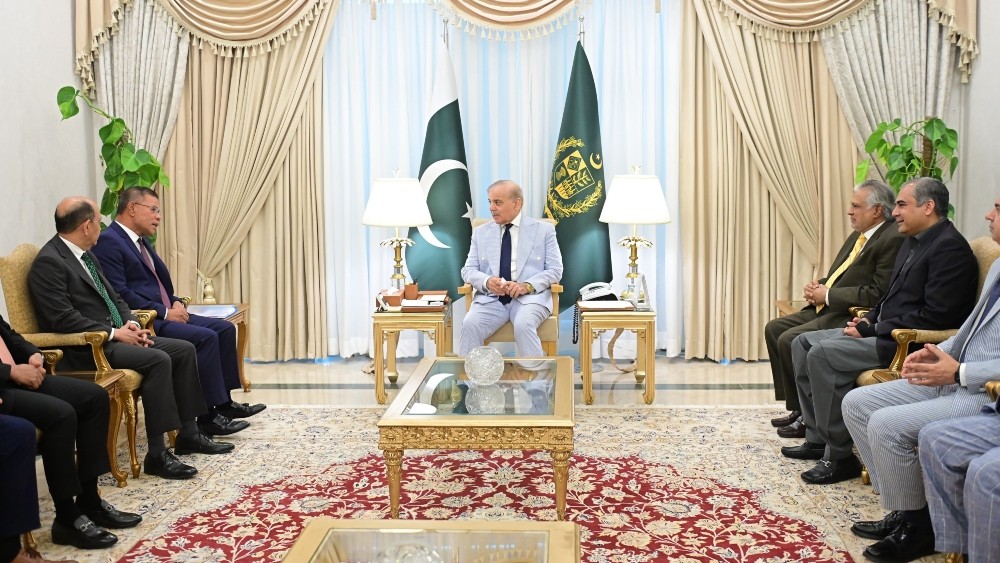
The discussions are part of a broader series of engagements during Saifuddin’s visit, which has also included meetings with Prime Minister Shehbaz Sharif, Interior Minister Naqvi, Chief of Army Staff and Chief of Defense Forces Field Marshal Syed Asim Munir, and Chairman Senate Syed Yousaf Raza Gilani.