


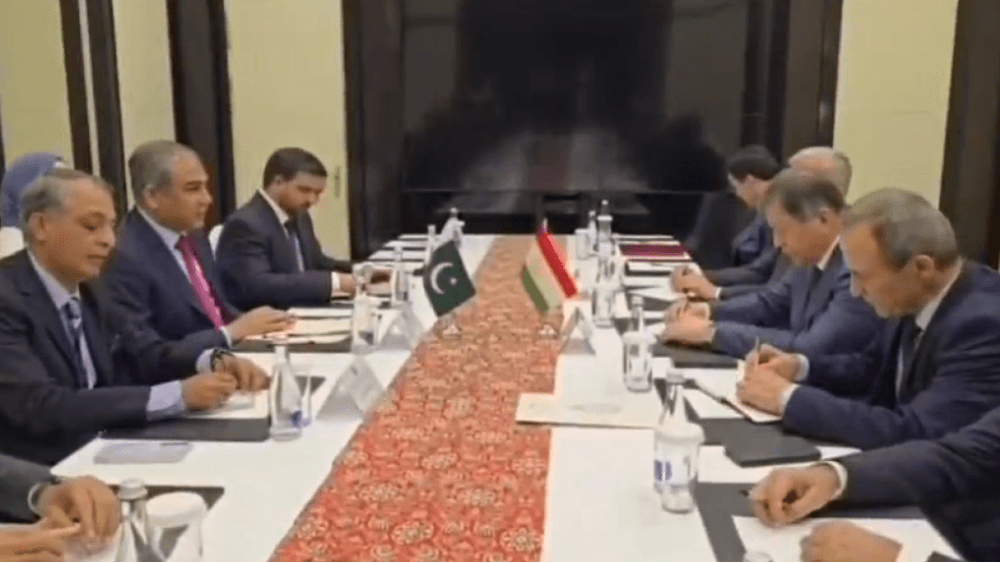
ISLAMABAD: Pakistan’s Federal Interior Minister, Mohsin Naqvi, held a series of bilateral meetings with the interior ministers of Russia, Tajikistan, Uzbekistan, Kyrgyzstan and Kazakhstan in Bishkek, focusing on security cooperation, migration management, counter-narcotics efforts and law enforcement collaboration.
During Naqvi’s meeting with Tajikistan’s Interior Minister Ramazon Rahimzoda, both sides expressed concern over the security situation in Afghanistan.
The two ministers agreed that terrorist camps and drug production inside Afghanistan pose serious security threats to the wider region.
They also noted that 25 different terrorist organizations are currently active in Afghanistan, underscoring the need for greater regional cooperation to address emerging security challenges.
Pakistan, Russia cooperation
During separate talks with Russia’s Interior Minister, Vladimir Kolokoltsev, Pakistan and Russia signed a series of agreements aimed at strengthening cooperation on preventing illegal immigration, facilitating the repatriation of citizens residing illegally in either country, and enhancing joint efforts against narcotics and illicit drug trafficking.
Islamabad, Tashkent cooperation
In his meeting with Uzbekistan’s Interior Minister, Aziz Tashpulatov, discussions focused on cooperation between law enforcement agencies and opportunities for joint training.
The two sides agreed to establish a working group to strengthen collaboration between their interior ministries.
Naqvi thanks Kyrgyz counterpart
Naqvi also met Kyrgyzstan’s Interior Minister, Niyaz Bekov Olan Omokanovich, where both countries agreed to expand cooperation in areas of mutual interest.
The Pakistani minister congratulated Kyrgyzstan on its election as a non-permanent member of the United Nations Security Council and thanked his counterpart for hosting the Shanghai Cooperation Organization interior ministers’ meeting.
Pakistan, Kazakhstan cooperation
Meanwhile, in talks with Kazakhstan’s Interior Minister, Yergan Sadinov, the two sides agreed to enhance cooperation to prevent illegal immigration and decided to establish a joint working group to deepen coordination between their respective interior ministries.