



ISLAMABAD: Indian opposition leader Rahul Gandhi's decision to hold the fourth "Chhatron Ki Goonj" (Voice of Students) gathering exclusively for girls in Pune represents a decisive shift in the Congress party's student outreach campaign. The initiative connects education concerns to issues of women's safety, political participation, and dissent against the Modi government.
The Pune event, scheduled for Aug 22, follows student gatherings in Kota, Dehradun, and Prayagraj. Gandhi has positioned the campaign as a platform for students to raise concerns directly, particularly over education, employment, and what Congress describes as the erosion of democratic space.
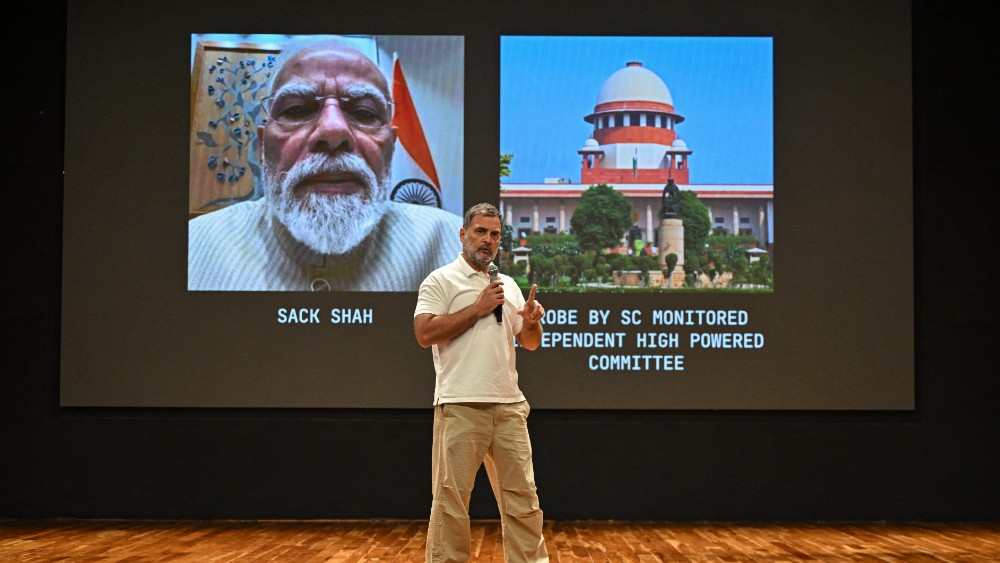
The Indian Express described the campaign as an effort by Congress to “tap into growing frustration among young voters”, particularly competitive-exam aspirants affected by paper leaks, cancelled examinations, recruitment delays and unemployment.
The newspaper reported that the party hopes to use “Chhatron Ki Goonj” not only to articulate student grievances but also to expand its reach among first-time and young voters.
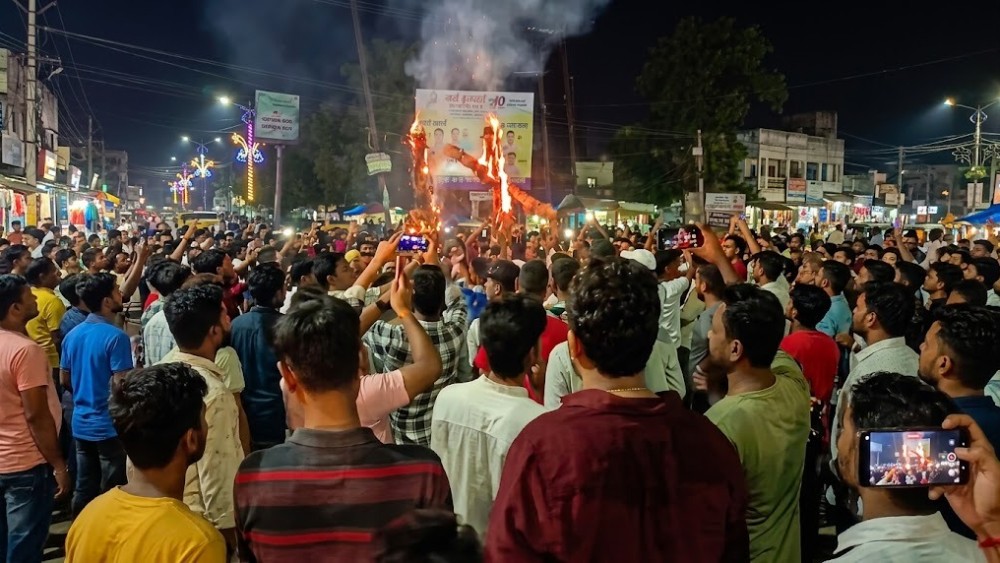
The political backdrop to the initiative has been increasingly visible at Jantar Mantar, where students have protested over issues including examinations, jobs, and alleged irregularities in the education system. Protesters have also criticized the Narendra Modi government, accusing it of failing to address mounting student concerns and of creating an environment in which dissent is increasingly difficult.
The Delhi episode was later followed by further protests in Ranchi, the capital of Jharkhand, where students and job-seeking youth raised their voices against irregularities in competitive exams.
Telegraph India reported that, for Congress, these protests provide an opportunity to link student grievances to a broader political narrative.
“Rahul Gandhi has increasingly sought to portray young people not simply as beneficiaries of government education policies but as a constituency confronting unemployment, examination controversies, and limited political voice,” reported the newspaper.
The Pune gathering adds another dimension, reports Cityairnews, that Gandhi announced the girls-only format after meeting young women who had participated in protests and raised allegations of police excesses and harassment.
According to Telegraph India, Rahul Gandhi repeatedly tried to distance the meetings from conventional party politics. At one such congregation in Kota, he said, “This is not a political meeting. This is a meeting about you, about the young people who are struggling to secure a future.”
That positioning is important because the campaign's political effectiveness will depend partly on whether students see it as an independent forum for their grievances rather than simply another Congress mobilization.
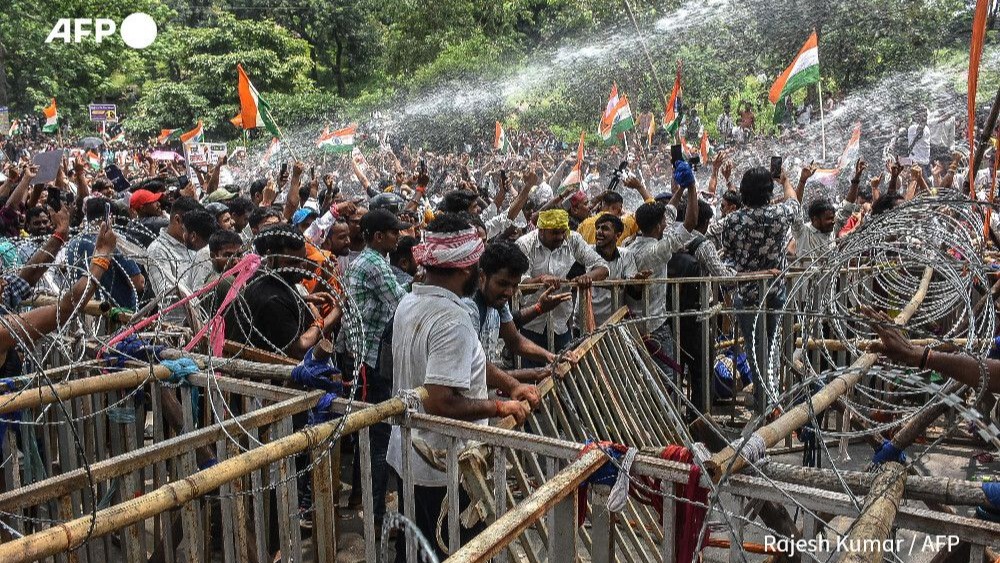
The timing is politically significant. With students already taking their concerns to public protest spaces such as Jantar Mantar, Congress has an opportunity to convert scattered grievances into a more coherent political constituency.
The Print noted that Congress initially presented “Chhatron Ki Goonj” as a nationwide movement centered on paper leaks and unemployment, but that the campaign subsequently faced organizational difficulties and postponements.
The political test for “Chhatron Ki Goonj” is whether Congress can convert episodic student anger into a durable political constituency.
Telegraph India reported that Congress sees the campaign as an opportunity to strengthen its organization ahead of the 2029 Lok Sabha election.
Pune will therefore be an important test of whether Gandhi’s student outreach can move beyond rallies and speeches. A girls-only event could help Congress develop a more focused conversation with young women, but its lasting impact will depend on whether the issues raised are translated into sustained political demands.