


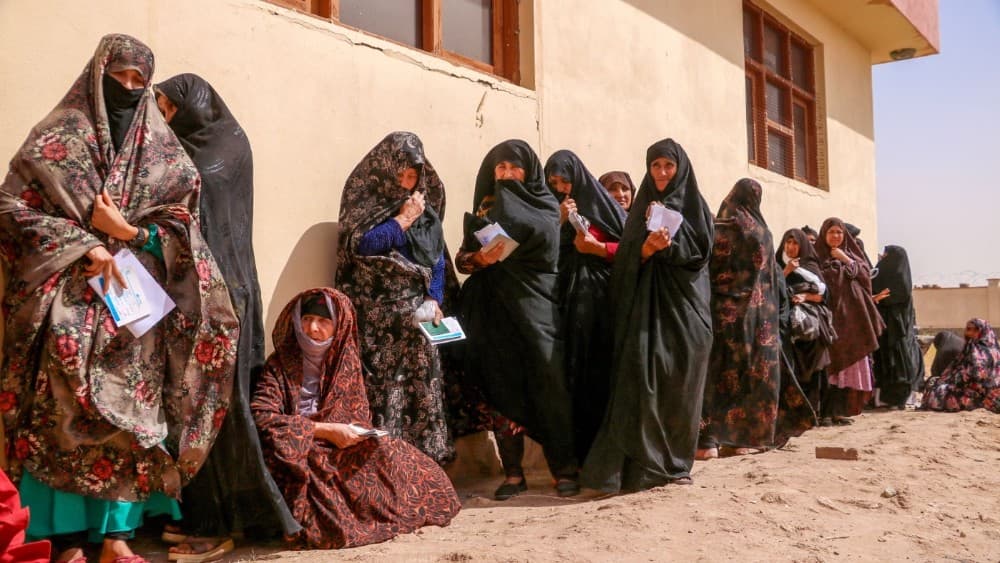
ISLAMABAD: Five years after the Taliban swept into Kabul and returned to power, Afghanistan is quieter than it was during the country's long war, but the end of large-scale fighting has not brought an end to suffering for millions of Afghans.
The Taliban captured Kabul on August 15, 2021, ending two decades of the former government and triggering a sharp contraction in international development assistance. Five years on, the country remains caught in overlapping humanitarian, economic, social and human rights crises, with millions dependent on international assistance while restrictions imposed by the Taliban continue to shape everyday life.
The scale of the crisis is stark. UNICEF estimates that 21.9 million people, including 11.6 million children, will require humanitarian assistance in 2026, nearly half of Afghanistan's population. The agency says natural disasters, a fragile economy, limited access to basic services, climate shocks and the legacy of more than four decades of conflict continue to prevent recovery.
Hunger and malnutrition
Food insecurity remains one of the most persistent consequences of Afghanistan's crisis.
The World Food Program says 17.4 million Afghans require urgent food assistance, while 4.9 million women and children are expected to need treatment for malnutrition in 2026. WFP describes Afghanistan as one of the world's most severe hunger crises, driven by poverty, economic weakness, drought, repeated disasters, large-scale returns and shrinking humanitarian funding.
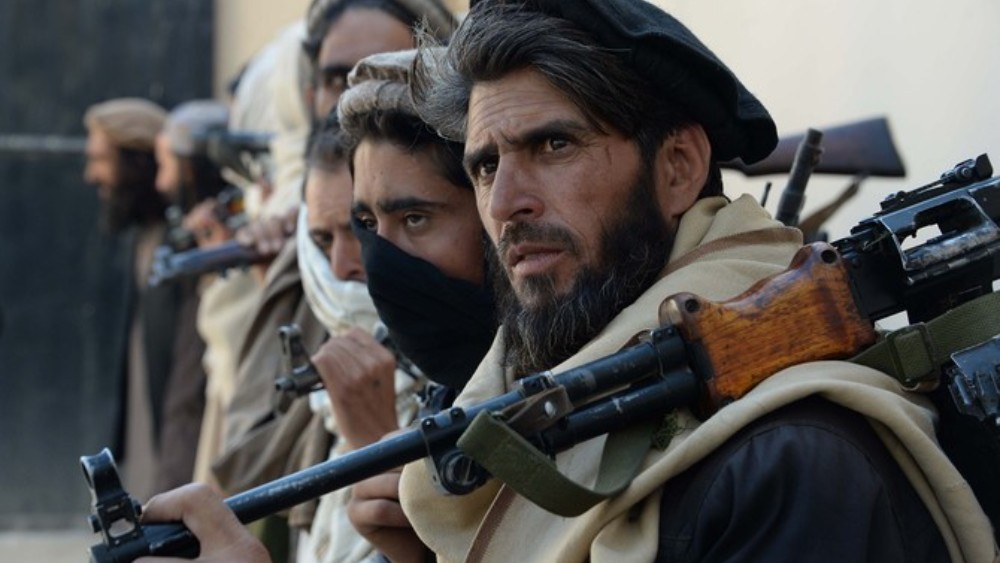
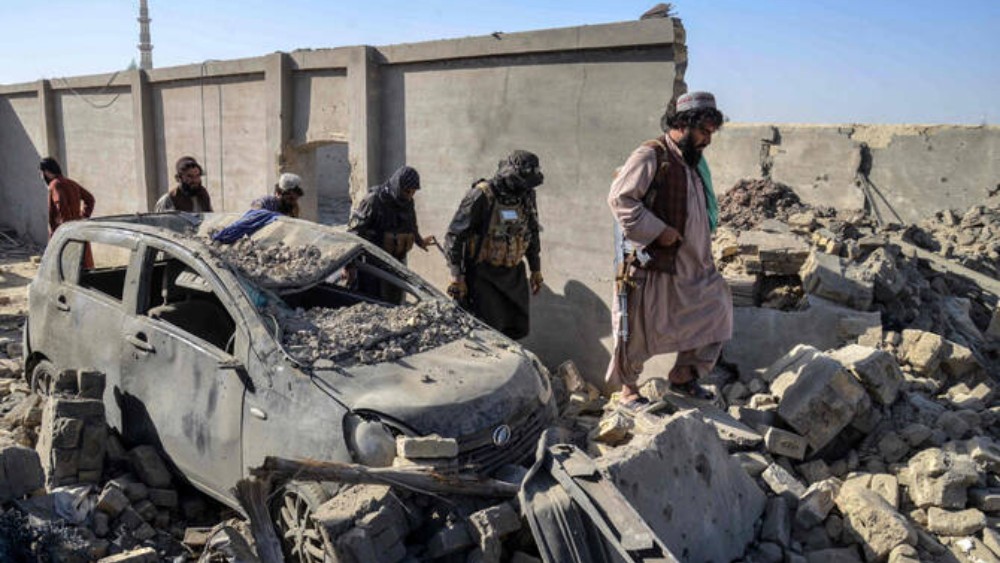
The scale of the nutrition crisis is particularly alarming among children. WHO estimates that 3.7 million children under five and 1.2 million pregnant and breastfeeding women are expected to face acute malnutrition in 2026. The agency says humanitarian needs have reached extreme levels amid economic hardship, mass returns and severe funding cuts.
The crisis is not simply about food availability. It is increasingly about whether families can afford food, whether malnourished children can reach treatment and whether aid agencies have enough resources to respond.
WFP has warned that its ability to reach people in need has been sharply constrained by funding shortages. The agency says it can currently provide assistance to only a fraction of those requiring support.
Women and girls pushed from public life
Perhaps the most visible transformation under Taliban rule has been the systematic restriction of women and girls.
Afghanistan remains the only country in the world where secondary and higher education is formally prohibited for girls and women, according to UNESCO and UNICEF. More than 2.2 million adolescent girls have been barred from secondary school, while restrictions have also extended to higher education and employment.
The restrictions go far beyond classrooms.
UN Women says Taliban decrees have progressively institutionalized restrictions on women's education, employment, movement, expression and participation in public life. Its assessment describes a system of surveillance, restrictions and fear that has increasingly pushed women out of public spaces and decision-making.
The consequences are also visible in health, livelihoods and household welfare. Women have faced sweeping restrictions on employment and movement, while requirements involving male guardians have made access to work, education and essential services more difficult.
The restrictions have also affected Afghanistan's humanitarian response. Taliban authorities first barred Afghan women from working for national and international nongovernmental organizations in December 2022 and later extended the restrictions to Afghan women working for the United Nations.
The result is a crisis in which the people most affected by humanitarian needs are increasingly restricted from participating in the systems designed to help them.
The enforcement of Taliban decrees has also moved beyond written orders and into everyday public life.
In Herat, Taliban morality police detained dozens of women in June over alleged violations of the group's dress requirements. UNAMA expressed concern over the arrests and warned that arbitrary detention and restrictions on freedom of movement raised serious human rights concerns.
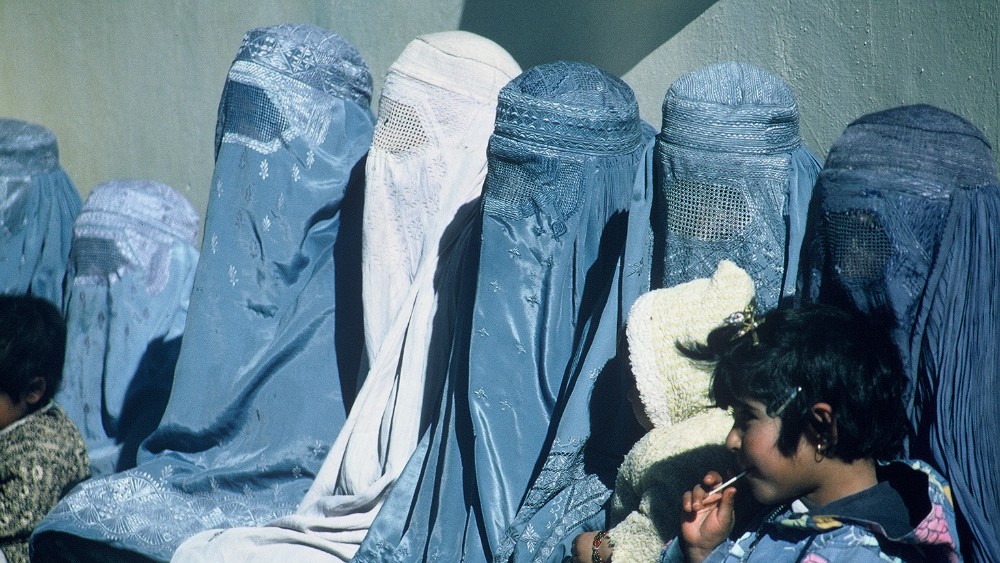
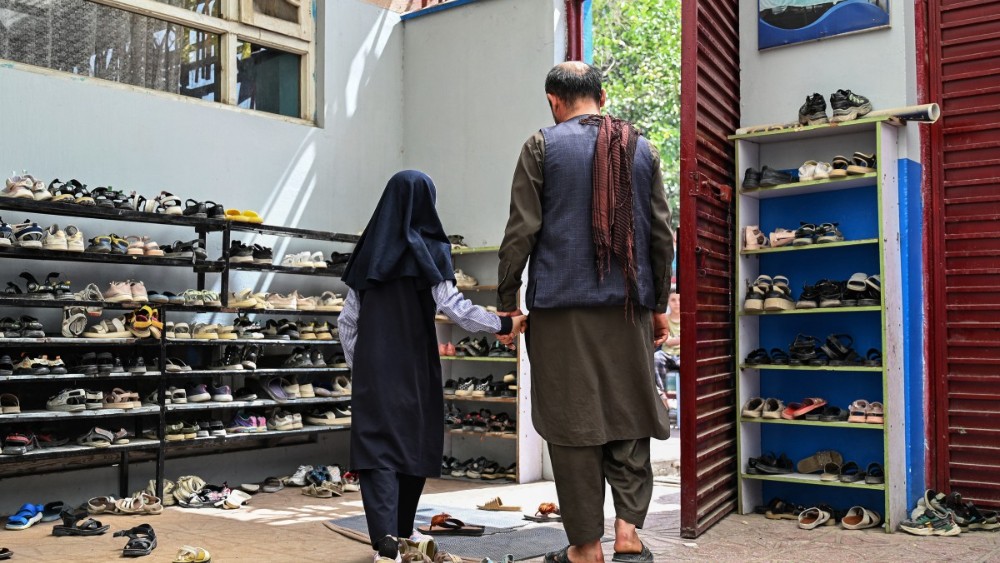
The wider legal environment has tightened as well. UN Women said a January 2026 decree governing criminal rules for courts further formalized discretionary punishments and contributed to an opaque system that disproportionately affects women and girls, leaving many with little recourse for justice.
Health system under severe strain
Afghanistan's health system has struggled under the combined weight of years of conflict, poverty, displacement, natural disasters and declining international assistance.
The Health Cluster estimates that 14.4 million people will need health assistance in 2026, while only a fraction of the required funding has been secured.
WHO says the health crisis is particularly serious for women and children, with acute malnutrition expected to affect millions in 2026. Funding shortages, disease outbreaks, food insecurity, climate shocks and mass returns from neighbouring countries are placing additional pressure on already strained health facilities.
Women face additional barriers because of Taliban restrictions. Limits on education, employment, movement and access to health services have made it harder for many women to obtain care or make decisions about their own health.
International agencies continue to fill critical gaps. UNICEF, WHO and UNFPA have maintained health, nutrition and reproductive health programs across Afghanistan, but their ability to sustain those services depends heavily on donor funding.
Displacement and mass returns
Afghanistan's humanitarian emergency has also been intensified by repeated waves of displacement and the return of millions of Afghans from neighboring countries.
UNHCR says more than 3 million Afghans remained in need of international protection in neighbouring countries at the end of 2025, with Pakistan and Iran hosting the vast majority.
The pace of returns has remained substantial in 2026. By July 18, UNHCR and IOM recorded more than 1 million returns to Afghanistan during the year, including about 616,600 from Pakistan and 401,600 from Iran.
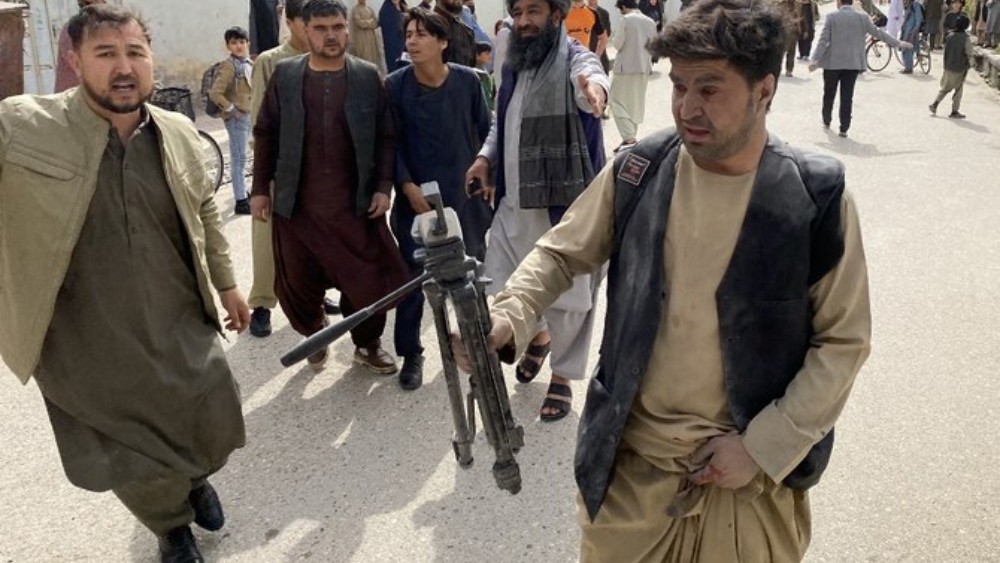
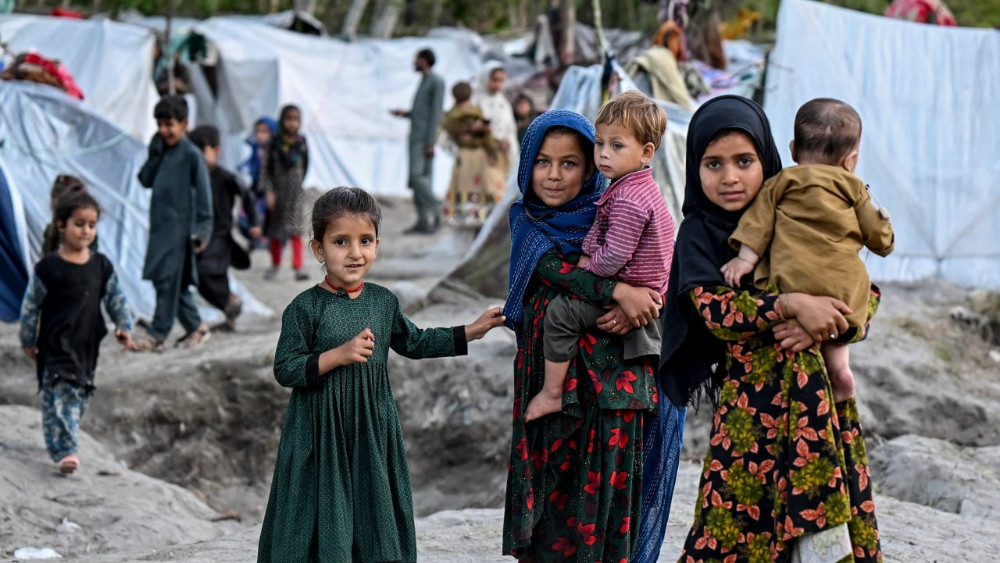
These returns are adding pressure to a country already struggling to provide housing, employment, health care, education and other basic services.
UNHCR has described the scale and speed of returns as placing additional pressure on Afghanistan's already fragile humanitarian and protection environment. The agency has also warned that the country's human rights situation, fragile economy, food insecurity and exposure to natural disasters make reintegration particularly difficult.
Floods, drought and climate shocks
Natural disasters have repeatedly compounded Afghanistan's humanitarian problems.
Floods, earthquakes, drought and extreme heat have damaged homes, farmland, roads and essential infrastructure while forcing already vulnerable families to seek assistance.
Afghanistan is also among the countries most exposed to climate-related risks. UNICEF has warned that millions of Afghan children face multiple overlapping climate hazards, including drought, floods and extreme heat.
Drought is particularly damaging because it directly affects agricultural production and rural livelihoods. For families already struggling with food insecurity, a failed harvest can mean reduced income, higher food prices and greater dependence on humanitarian assistance.
UNICEF has warned that children bear a disproportionate share of the burden because their developing bodies are less able to withstand the physical and psychological effects of climate shocks.
The climate crisis therefore feeds directly into Afghanistan's wider humanitarian crisis: drought damages livelihoods, poverty increases food insecurity, malnutrition weakens children and humanitarian agencies face greater demand with fewer resources.
Independent media under pressure
Afghanistan's independent media has also undergone a dramatic transformation since the Taliban takeover.
Reporters Without Borders ranks Afghanistan 175th out of 180 countries in its 2026 World Press Freedom Index. The organization says the Taliban's return to power has led to a severe contraction of the media landscape, with media outlets closing and thousands of journalists leaving the profession.
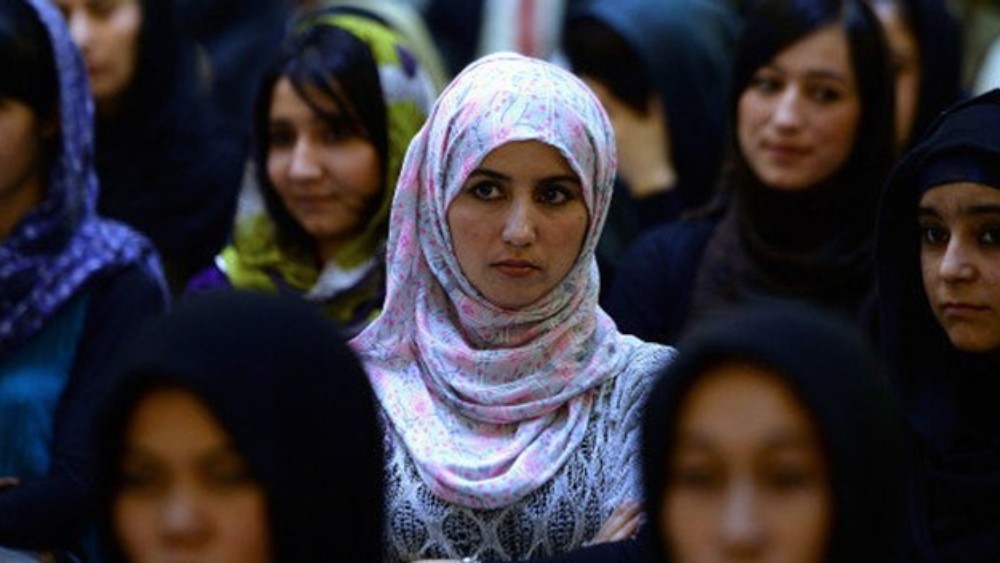
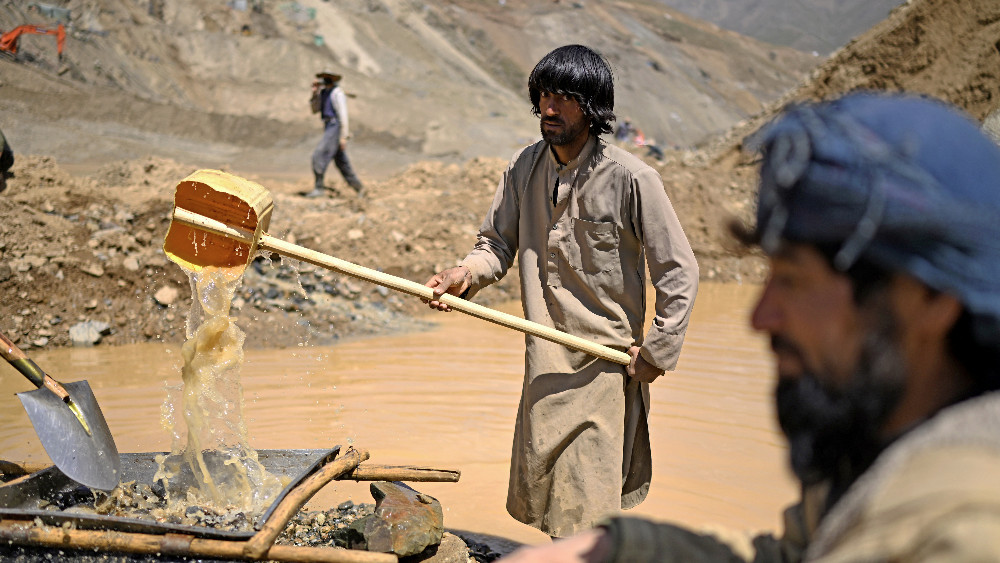
RSF says the Taliban has progressively imposed restrictions affecting political debate, criticism of the authorities, women journalists and the broadcasting of images and women's voices.
The organization's assessment says the media environment is now characterized by extensive government control, limited pluralism and growing pressure on journalists. It also reports arbitrary arrests and detention of journalists by Taliban intelligence authorities.
The consequences extend beyond journalists.
When independent media disappears, citizens have fewer avenues to question authorities, investigate abuses or obtain information outside official narratives.
For a country already facing restrictions on political participation and civil liberties, the shrinking media space further limits public scrutiny of those in power.
An economy growing, but living standards falling
Afghanistan's economy has not collapsed completely under Taliban rule. But economic growth has failed to translate into broad improvements in living standards.
The World Bank estimates that Afghanistan's real GDP grew by 4.8 percent in 2025. Yet GDP per capita fell by 5.6 percent, as rapid population growth and the return of millions of Afghans outpaced economic expansion. Inflation had reached 7.6 percent by March 2026, according to the bank.
The figures highlight a crucial distinction: an economy can grow while ordinary households become poorer.
The World Bank says weak investment, rapid population growth, declining external assistance and structural constraints continue to undermine household incomes. Restrictions on women's participation in education and the economy, high youth unemployment, weaknesses in the banking sector and a widening trade deficit remain major obstacles to sustainable growth.
The return of millions of Afghans has added another layer of pressure, increasing demand for jobs, housing and public services.
The crisis is interconnected
Five years after the Taliban takeover, Afghanistan's problems can no longer be viewed separately.
Hunger is intensified by poverty. Poverty is worsened by restrictions on women's economic participation. Displacement strains schools, hospitals and local labor markets. Climate shocks destroy livelihoods. Reduced international funding leaves humanitarian agencies with fewer resources to respond.
At the same time, restrictions on civil society and independent media limit the ability of Afghans to challenge policies or demand accountability.
This is why the central question surrounding Afghanistan's fifth year under Taliban rule is not simply whether the country is more secure than it was during the war.
It is whether security without political inclusion, economic opportunity, fundamental rights and functioning public institutions can produce lasting stability.
For millions of Afghans, the answer remains uncertain.
The guns may be quieter than they were before August 2021. But five years into Taliban rule, Afghanistan remains trapped in a cycle of humanitarian need, economic vulnerability, displacement, climate shocks and shrinking rights.
And with humanitarian agencies warning of record levels of hunger and malnutrition while international funding continues to fall, the cost of that unresolved crisis is being borne by a population whose ability to cope has steadily diminished.