

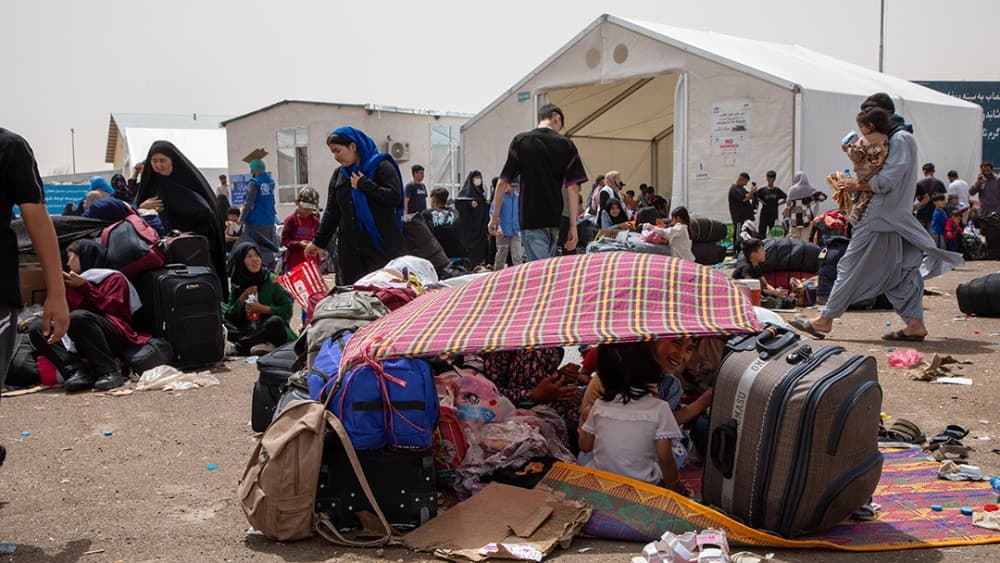
ISLAMABAD: Afghanistan's economic recovery has failed to reach ordinary households since the Afghan Taliban took over the country in August 2021, with poverty, hunger, and access to health care and education all worse than before the takeover.
Before 2021, Afghanistan depended heavily on foreign aid, which financed roughly 75 percent of public spending in the country, according to the World Bank. National output stood at about $19.5 billion to $20 billion, with poverty affecting 47 percent to 54.5 percent of the population, the World Bank found.
The abrupt end of that aid pipeline after August 2021 triggered a steep collapse. Gross domestic product (GDP) contracted 20.7 percent in 2021 and a further 6.2 percent in 2022, according to the World Bank.
Growth has since resumed, expanding 2.5 percent in 2024 and between 4.3 percent and 4.8 percent in 2025, the World Bank reported. But that recovery has not reached households.
Poverty, hunger deepen
Real per capita GDP fell 4 percent to 5.6 percent in 2025, as the return of more than 4 million Afghans from neighboring countries drove population growth of 8.6 percent to 11 percent, according to the World Bank.
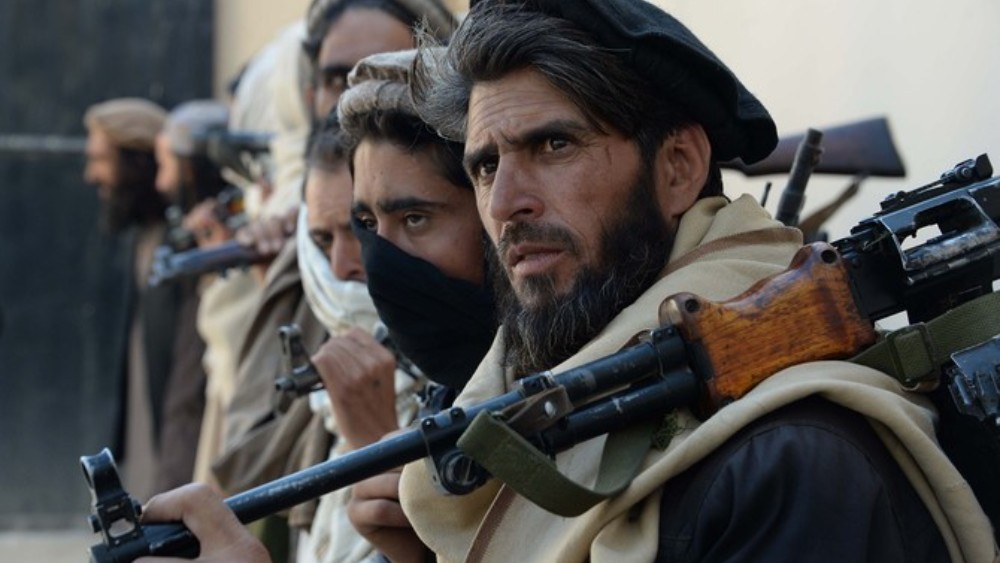
Average monthly household income dropped to roughly 9,004 afghanis ($115), according to the European Union Agency for Asylum. Monetary poverty stood at 48 percent in 2025, while 75 percent of the population was classified as "subsistence-insecure" on the UN Development Programme's index.
Acute food insecurity affected 13.8 million people in late 2025, including 2.9 million in emergency conditions, according to a UK Home Office note.
Health, education erode
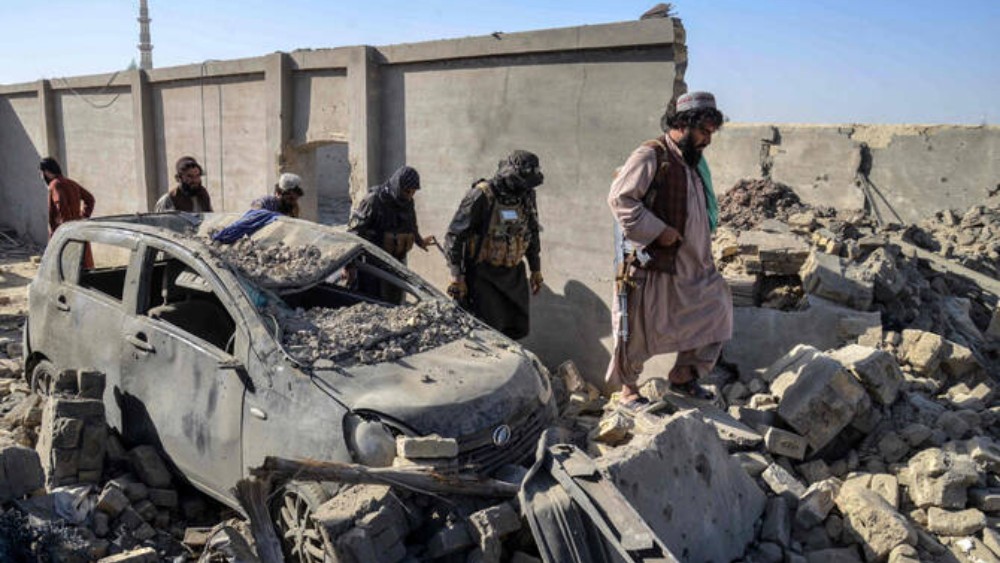
Access to basic health care has narrowed since the takeover. At least 422 primary healthcare facilities closed in 2025 due to funding shortfalls, cutting off medical access for 3.3 million people, according to the UK Home Office note.
An estimated 14.4 million Afghans require emergency health assistance in 2026, with a third of the population living in areas without functioning clinics.
Education access has also narrowed. Taliban authorities barred women and girls from secondary and university education after the takeover. In December 2024, Taliban officials extended the ban to medical training institutions, according to a joint statement from the US State Department.
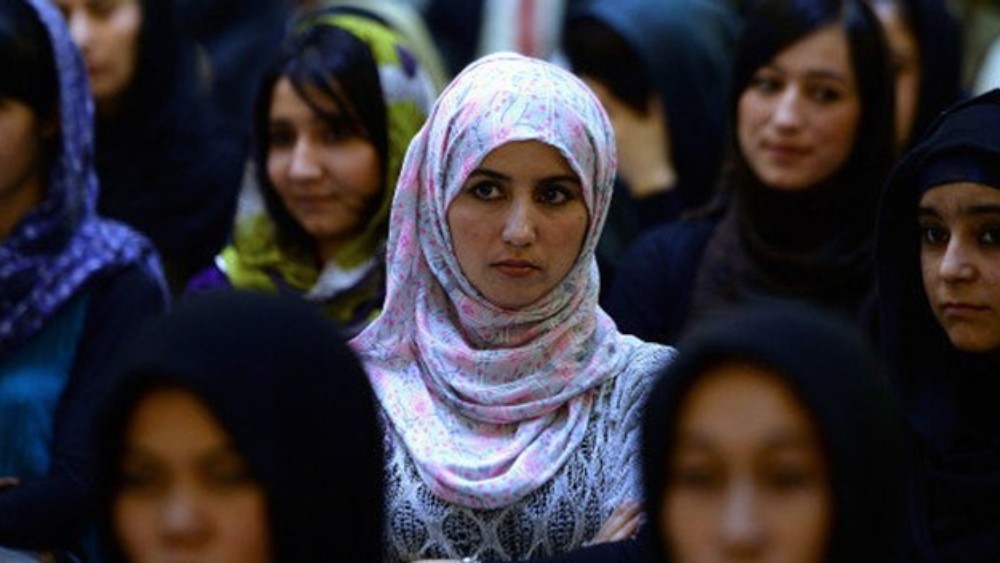
The resulting halt in training doctors, midwives and teachers is expected to compound future shortages of health and education professionals, the statement noted.
Access to safe water, sanitation and housing has also deteriorated. Between 15.9 million and 21 million Afghans require urgent water and sanitation assistance heading into 2026, United Nations Office for the Coordination of Humanitarian Affairs (OCHA) in February 2026. About 73% of urban residents live in informal settlements lacking piped water or municipal services.
With domestic revenue directed mainly toward security rather than public services, delivery of health care, food aid and clean water has fallen largely to international humanitarian agencies, as noted in a UN Security Council quarterly briefing in December 2025.
The UN's humanitarian appeal for Afghanistan fell from $3.06 billion in 2024, only 51.8% funded, to a targeted $1.71 billion for 2026. An estimated 21.9 million people, or 45 percent of the population, are expected to need humanitarian assistance in 2026, leaving basic living standards dependent on a shrinking pool of outside support.