


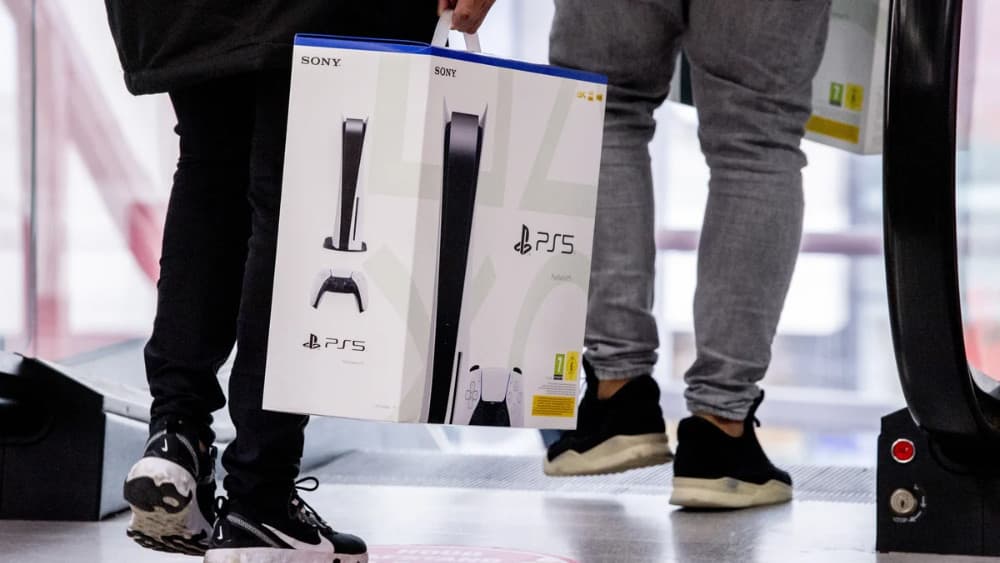
ISLAMABAD: There’s another kind of gaming war brewing between Microsoft’s Xbox and Sony’s PlayStation platforms. The challenge? Whether to retain physical game discs (Xbox) as a form of gaming media ownership or shift to a fully digital ecosystem (PlayStation).
Xbox CEO Asha Sharma told the BBC this week that Microsoft wants to preserve player choice between owning physical and digital games.
“I know players love physical media, and I know there are a lot of benefits in digital media, and I want to make sure people have a choice,” Sharma said, speaking at Gamescom in Cologne, Germany.
The remarks come days after Microsoft introduced its Disc to Digital program, which lets owners of supported Xbox discs claim a digital copy of the same game while keeping the physical disc. If that disc is later sold or given away, the digital license transfers to the new owner, according to Windows Central.
Sharma also confirmed new details of Microsoft’s next-generation console. The project, codenamed Helix, will be a family of devices rather than a single console, built with AMD and designed to play both Xbox and PC games.
Microsoft has not released a launch date, price, or full specifications, and several details reported elsewhere remain unconfirmed by the company.
Sony under fire over disc decision
Sony, on the other hand, faces a player boycott over its decision to abandon PlayStation discs entirely.
The company announced on July 1 that physical disc production for new PlayStation games will end in January 2028, saying the move reflects a broader shift toward digital purchases.
The backlash has been sharp.
DoesItPlay, a game preservation group, organized a week-long boycott called PSBlackout from August 23 to 30, telling players in its call to action that “a digital-only future without ownership and customer protection law is unacceptable.”
A separate Change.org petition urging Sony to reverse course has drawn hundreds of thousands of signatures, with critics warning that a fully digital library means losing the right to resell, lend, or keep a game once a storefront eventually shuts down.
But not everyone believes consumer demand is the real story.
Industry analyst Daniel Ahmad of Niko Partners has argued that with tens of millions of disc-based PlayStation games still sold last year, the decision is “entirely a platform-led decision designed to cut costs for Sony, eliminate resale and used markets, and drive all revenue through the PlayStation Store,” rather than simply following where players already are.
Sony said it does not plan to reverse the decision, with executives describing the shift as an industry-wide trend rather than one specific to the company.
Xbox’s Sharma pointed to rising hardware costs during the Gamescom interview, saying the industry needs to focus on “affordability and efficiency” as component prices climb. Sony raised prices across its PS5 lineup earlier this year, citing similar pressures.
The dispute leaves Sony and Microsoft pursuing opposite messaging around the same industry shift. Sony is consolidating its business around digital sales despite the backlash. Microsoft is positioning Xbox as the platform still willing to support physical media and player ownership, even as its own next-generation hardware remains largely undefined.