


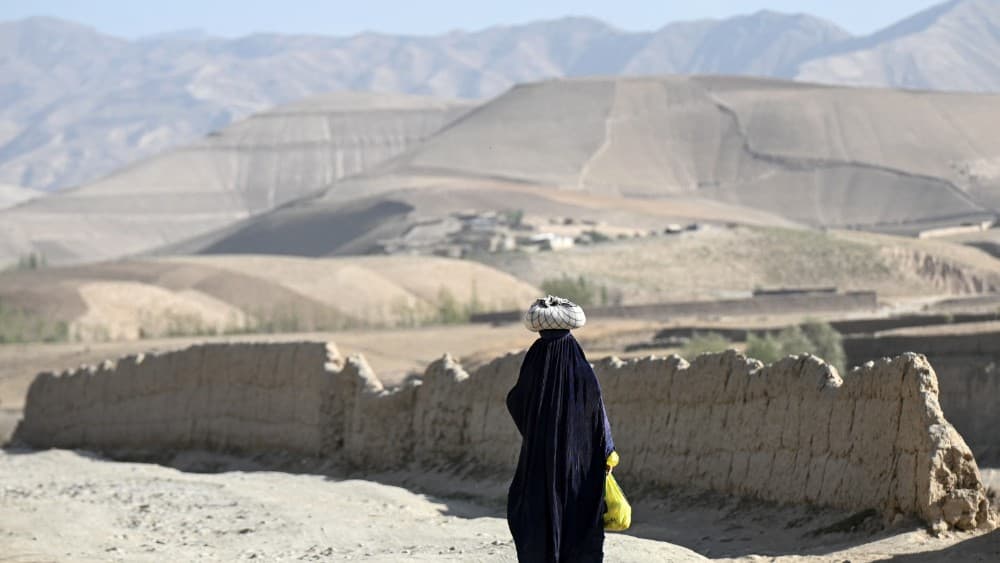
ISLAMABAD: On Sunday, one person was killed and 11 injured on the Mazar-e-Sharif–Kabul highway in Balkh province, a vital route in northern Afghanistan. The country's damaged road network is contributing to a surge in deadly accidents as Afghanistan continues to recover from almost 20 years of conflict.
Road accidents have increased in Afghanistan due to poorly paved roads and a crumbling infrastructure. At least 5,520 accidents were logged during an annual tracking period (March to March) in 2025, as per Kabul Now. The World Health Organization and the Asian Transport Observatory recorded a road traffic fatality rate of 24.1 per 100,000 population, far exceeding regional averages.
Afghanistan has virtually no functioning highway system. The entire road network spans 245,072 kilometers, yet only 7% (18,241 kilometers) is paved, according to Afghanistan's National Statistics and Information Authority.
The remaining 93% consists of unpaved dirt tracks susceptible to washouts and deterioration.
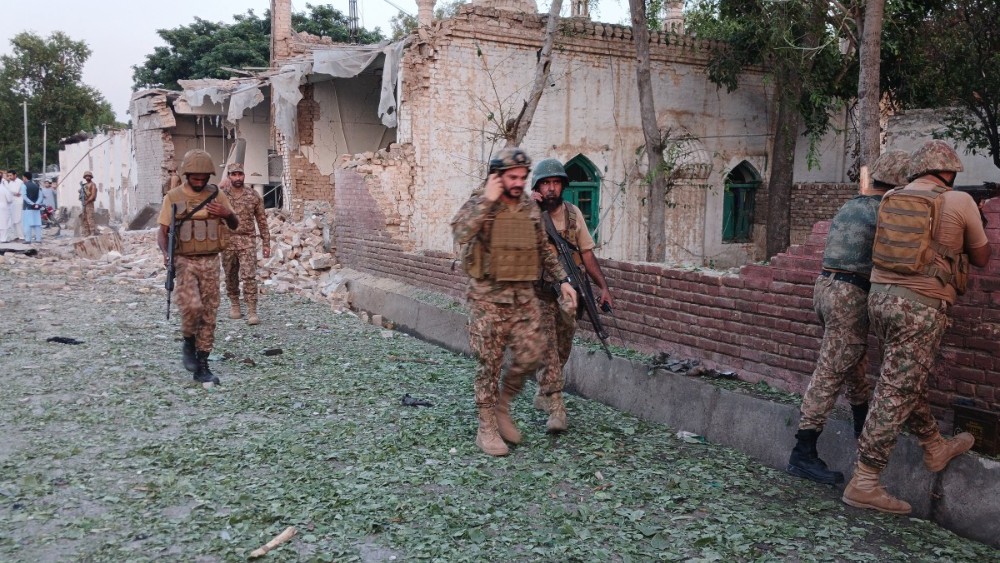
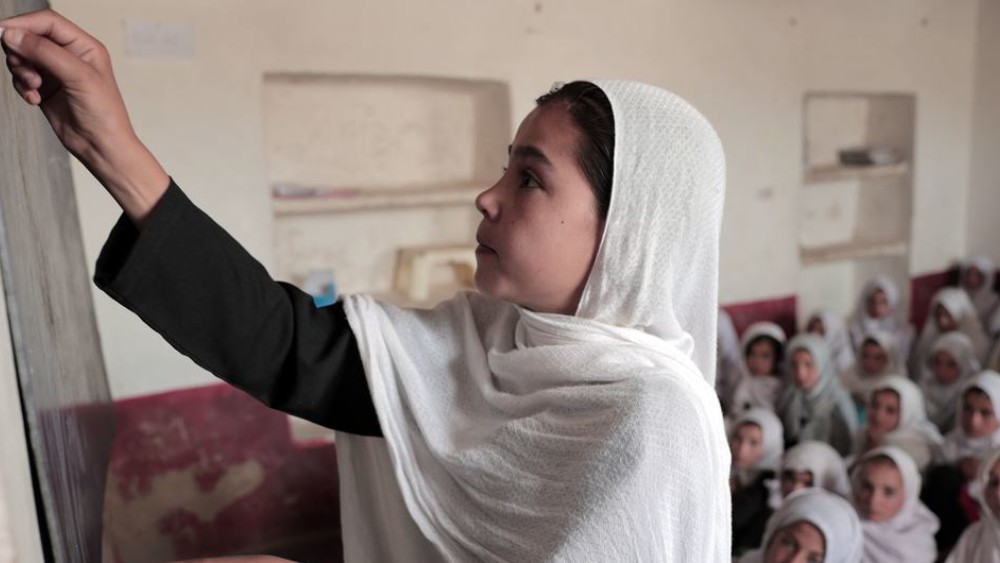
For context, neighboring Pakistan maintains roughly 80% paved roads. In Spain, over 99% of roads are paved. Afghanistan ranks among the world's lowest in road infrastructure development.
The consequences are immediate. Traffic accidents on Afghanistan's highways have caused significant loss of life in recent years, according to several local news outlets. Driver negligence, excessive speed, and failure to follow traffic laws compound dangers created by collapsing road conditions.
Regional trade corridors at risk
The Balkh accident occurred on a critical artery connecting Central Asia to South Asia. Afghanistan sits at the crossroads of regional trade routes linking China, Central Asia, Iran, and Pakistan. Deteriorating roads in provinces like Balkh isolate northern Afghanistan from Kabul and international markets.
Infrastructure collapse extends beyond highways. Afghanistan's National Statistics and Information Authority documented 16 damaged bridges and 249 locations needing new bridges.
Summer 2026 floods destroyed additional bridges and highway sections in mountainous provinces, forcing UN teams to clear mudslides, the UN reported.
Humanitarian consequences
Poor roads have transformed medical emergencies into life-or-death gambles. According to the UN's Office for the Coordination of Humanitarian Affairs, expectant mothers in rural areas travel hours on deteriorated roads to reach emergency care, significantly lowering survival rates during childbirth complications.
Rural access is dire, as only 41% of the rural population has access to paved roads, the authority said.
Rebuilding amid constraints
Some international reconstruction projects were started, but progress is slow. The World Bank and United Nations Office for Project Services jointly rehabilitated only 9,500 kilometers of secondary and rural roads since the project began in mid-2022 to date.
Similarly, the World Bank launched development projects in Kandahar on February 26, 2023. The project constructed concrete roads and employed 200 local residents at a cost of $130,000, according to reporting on the initiatives.
In July 2026, the United Nations Human Settlements Programme launched road reconstruction in Kabul, funded by the Japan International Cooperation Agency, the UN announced.
Yet international sanctions restrict direct funding to Afghanistan's interim Taliban government, limiting investment speed. Multilateral institutions operate through indirect cash-for-work schemes, slowing reconstruction.
The highway exception
Afghanistan's sole modern highway is Highway 1 connecting Kabul and Kandahar, which has been partially restored. According to New York Times reporting from February 2026, buses now complete the 482-kilometer journey in six to eight hours, down from 18 hours during conflict.
Yet one functioning corridor cannot address Afghanistan's systematic infrastructure collapse. With 93% of roads unpaved and accident rates climbing, rebuilding the nation's road network remains essential to reducing casualties and reconnecting Afghanistan to regional trade networks.