


ISLAMABAD: Afghanistan's recovery remains hindered by restrictions on women and girls, weak governance, humanitarian pressures, and militant threats, the UN Security Council heard Wednesday.
Georgette Gagnon, deputy UN envoy for Afghanistan and officer-in-charge of the UN mission, said the Taliban were highlighting nationwide control, infrastructure projects and economic stabilization as signs of progress.
But those developments were taking place alongside “severe restrictions on women and girls, exclusionary governance, a human rights crisis and the continued presence of terrorist groups,” she said.
“The last five years of relative stability have provided a welcome breathing space” for many Afghans, Gagnon said.
But economic growth has not kept pace with population growth, while malnutrition remains a major concern. The return of 6.5 million Afghans since 2023 has also created an “extreme demographic and socioeconomic shock,” she said.
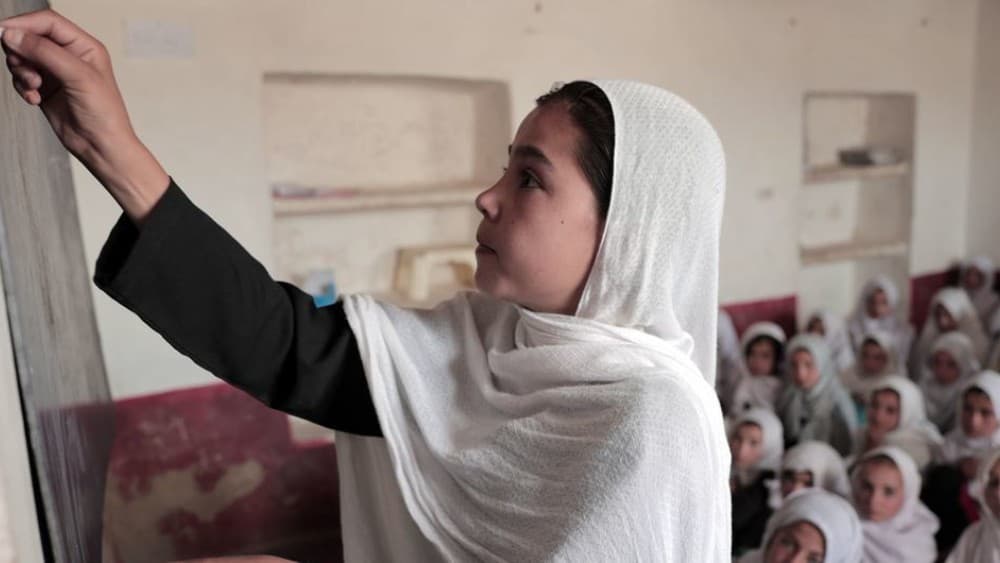
“No discussion of Afghanistan can ignore the continued exclusion of women and girls,” Gagnon said.
She warned that barring women from education, professions and public life deprives the country of the talent and productivity needed for recovery.
Undermining Afghanistan's future
The Taliban’s restrictions on Afghan women working for the United Nations have also created “a serious operational constraint,” she said.
British ambassador Kate Foster told the council that the Taliban’s “systematic discrimination against women and girls” was undermining Afghanistan’s future.
“No country can prosper while half its population is excluded from public life,” Foster said.
She called on the Taliban to allow female UN staff to return to UN premises, saying the restriction was hampering the delivery of aid.
The UK said it would provide more than $140 million annually over the next three years for essential assistance in Afghanistan. British-funded programs reached at least five million people last year, including more than three million women and girls, Foster said.
‘Political femicide’
Afghan women’s rights campaigner Nargis Nehan told the council that Taliban decrees had stripped women and girls of basic rights.
“What’s happening to women and girls in Afghanistan is a political femicide and the worst form of gender apartheid,” she said.
Nehan called for the Security Council to recognize institutionalized discrimination against Afghan women and girls, support accountability efforts at the International Court of Justice and encourage states to recognize gender apartheid as a crime against humanity.
She also urged donors to fully fund the $1.7 billion humanitarian response plan.
Malala Fund, in a post on X marking five years of Taliban rule, said Afghan girls who were in classrooms when the Taliban banned their education were now in their 20s.
It said many teachers had lost their jobs but continued teaching girls through secret schools and online platforms.
‘Absence of war’
Afghanistan’s representative Naseer Ahmad Faiq said five years was “long enough to judge the situation by actions.”
“The absence of large-scale war should not be mistaken for sustainable peace,” he told the council.
He said there was still no inclusive political system, accepted constitutional framework or accountable institutions through which Afghans could influence decisions affecting their lives.
The repression of women and girls was “not only a women’s rights crisis” but also a national crisis affecting the economy, health, education and development.
He also raised concerns over arbitrary arrests and detentions and pressure on Hazara and Shia communities.
More than 20 terrorist groups remain present in Afghanistan, according to the Security Council’s monitoring team, he said.
Nearly 1.15 million Afghans returned to the country between January and August this year, many involuntarily, and he urged states to respect the principle of non-refoulement.
He called on donors not to abandon Afghans because of the policies of their rulers and urged the international community to move beyond what he called a “false choice between isolation and normalization.”
Regional security
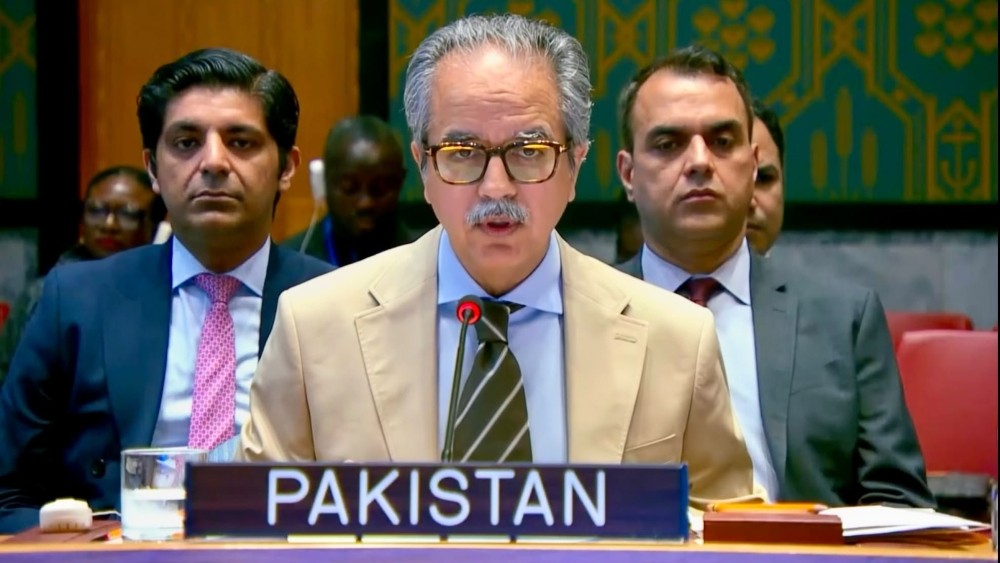
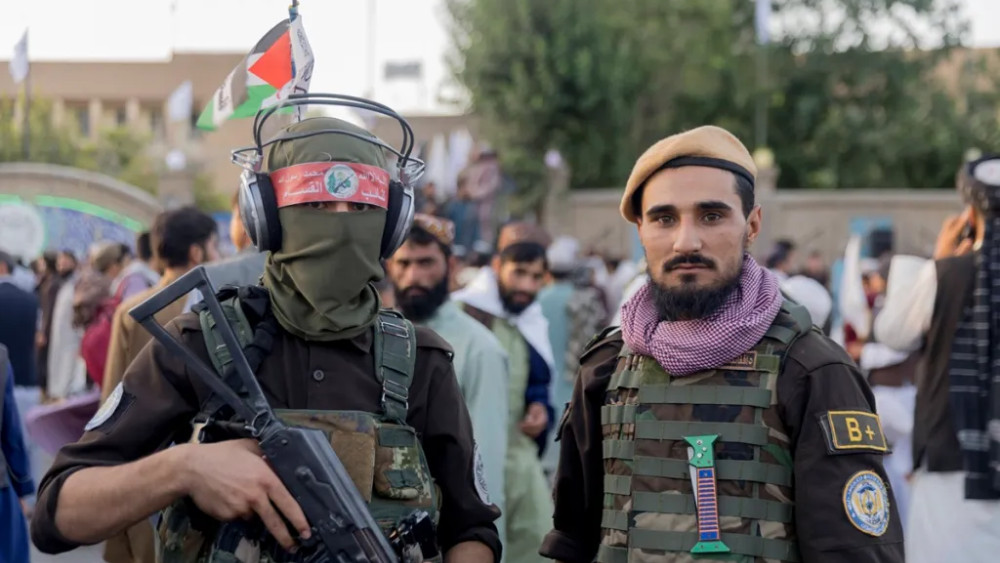
Pakistan warned of a “deep nexus” between the Taliban and militant groups including Tehreek-i-Taliban Pakistan and Daesh.
Ambassador Asim Iftikhar Ahmad said 4,700 Pakistanis had been killed by terrorism from Afghanistan over the past three years and called for stronger action against militant groups.
He also urged the United Nations Assistance Mission in Afghanistan (UNAMA) to report on the illegal trade in small arms and light weapons and illicit money laundering through "hawala" networks.
Iran stressed its economic cooperation with Afghanistan and its hosting of millions of Afghans, while warning that Daesh and other extremist groups continued to threaten Afghanistan and neighboring countries.
India said Al-Qaeda affiliates continued to find space in Afghanistan, arguing that the environment that had sheltered the architects of the September 11 attacks continued to provide room for the group’s affiliates.
China called on an unnamed “relevant country” to resume aid to Afghanistan, lift unilateral sanctions and return the overseas assets of Afghanistan’s central bank.
Russia, meanwhile, said predictions of Afghanistan’s collapse after the withdrawal of foreign forces had not materialized.
The Taliban had pursued “multifaceted development, regional cooperation and building an independent and self-reliant State,” its representative said, adding that there was “no alternative” to pragmatic engagement with Afghanistan.
'Isolation not sustainable solution'
Colombia warned against legitimizing the Taliban and backed calls for possible condemnation over the exclusion and persecution of women and girls.
Kazakhstan said engagement with the Taliban should not be equated with recognition, but added that isolation was not a sustainable solution.
“There cannot be sustainable recovery without the meaningful participation of women and girls,” its representative said.
France said restoring the rights of Afghan women was essential to building a peaceful Afghanistan.
“The international community gave the Taliban a seat at the negotiating table in Doha and listened to their requests. It’s now up to them to listen to ours,” its representative said.
The council also heard calls for continued engagement through the Doha Process, with UNAMA seen as a key channel for political dialogue and human rights monitoring.