


This live blog follows the latest developments across the Middle East crisis, including regional diplomacy, maritime security, ceasefire negotiations, and economic fallout.
Catch up on Tuesday’s top developments here:
- Saudi-Egypt leaders demand free navigation amid Houthi attacks
- Saudi air defenses intercept Houthi drone near Makkah
- Oil climbs as Hormuz shipping traffic slumps further
- Yemen fighting displaces over 100,000 people, UN says
- Iran war costs US military $38 billion: CBO
Houthi official says Saudi report of attack on Makkah ‘lie’
Published: Sept 16, 2026 | 01:04 GMT | by AFP
A Houthi official rejected Wednesday the Saudi-led coalition’s report that it had shot down a drone from the rebels heading toward Makkah, the holiest city in Islam.
“The claims about targeting Makkah are a worn-out lie that has been used before and no longer fools anyone,” Hazem Assad from the Houthis’ politburo wrote on X.
Houthi drone intercepted south of Makkah
Published: Sept 16, 2026 | 00:45 GMT | by Web Desk
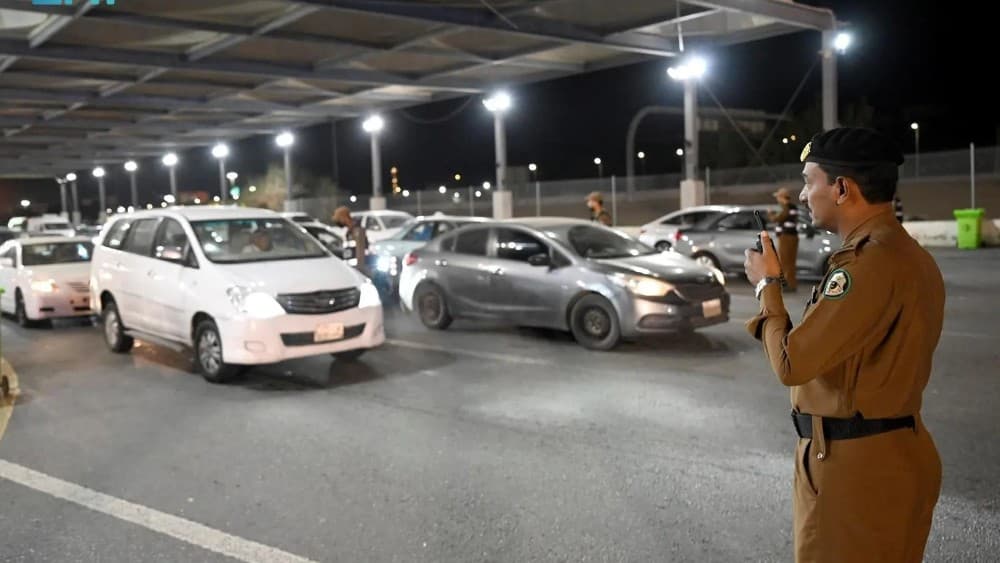
Saudi air defenses intercepted and destroyed a Houthi-launched drone before it entered the prohibited airspace around the holy city of Makkah, the Saudi-led coalition said.
Coalition spokesperson Major General Turki Al-Malki said the drone was intercepted at 18:50 on Tuesday, Sept. 15, south of Makkah Al-Mukarramah.
The coalition described the incident as the second attempt to target Makkah, following a ballistic-missile attempt on July 27, 2017. It called the latest incident a deliberate attempt to target the city and “terrorize” pilgrims visiting the Grand Mosque.
“The security of the Two Holy Mosques and the pilgrims is a red line,” Al-Malki said, adding that the coalition would take “necessary and deterrent measures” against the Houthi militia and its “hostile and terrorist behavior.”
Pakistan pushes for peace amid Middle East conflict
Published: Sept 16, 2026 | 00:10 GMT | by Web Desk
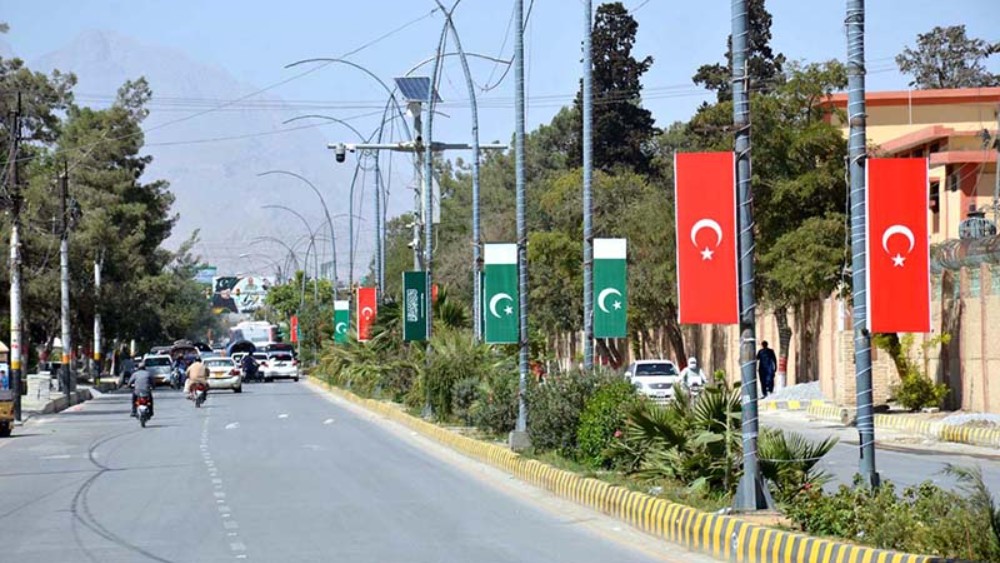
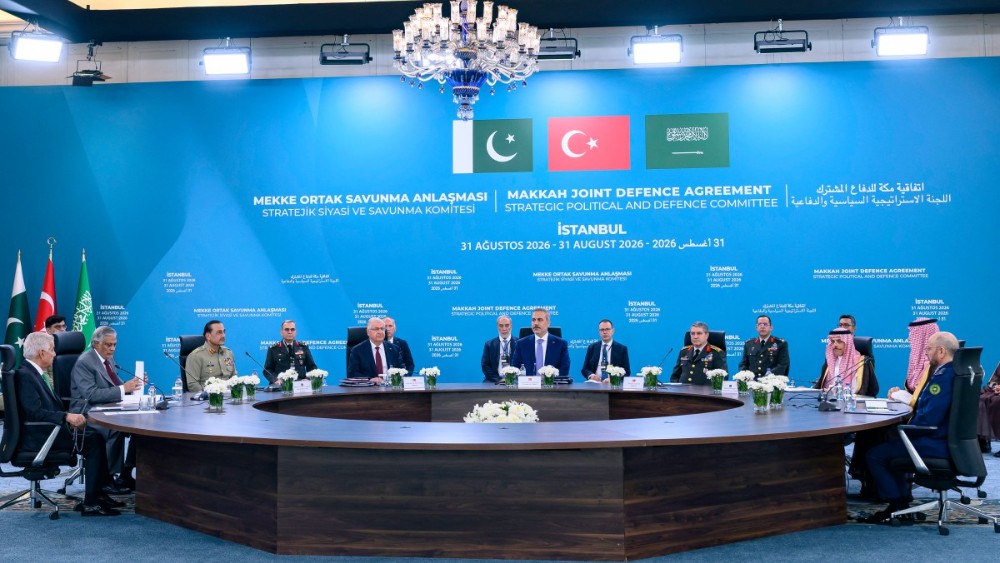
Pakistan’s military spokesperson said Islamabad would continue efforts to facilitate a negotiated resolution to the conflict between the United States and Iran, arguing that regional stability could only be achieved through peace and dialogue.
Speaking to Al Arabiya English, Director General Inter-Services Public Relations Lt Gen Ahmed Sharif Chaudhry said Pakistan’s policy of multi-alignment and engagement with competing powers placed it in a position to act as an objective intermediary.
“Because stability stems from peace, and Pakistan is a big proponent of peace in the region and in the area,” Chaudhry said, explaining Islamabad’s decision to reach out to the parties rather than publicly comment on developments.
He said a mediator must remain “objective and neutral” while working to bring the sides toward a negotiated outcome.
Chaudhry said Pakistan maintained established relations with Washington as well as “brotherly, neighborly and strategic relations” with Iran, giving Islamabad channels to communicate with both sides.
Pakistan, he said, had no personal or self-serving objective in the mediation effort, but wanted to prevent the conflict from “spiral[ing] horizontally as well as vertically” and see outstanding issues resolved through negotiations.
He said Pakistan would continue its peace efforts even if individual proposals were rejected, arguing that all sides had a responsibility to pursue a negotiated settlement.
The military spokesperson also said Islamabad was mindful of the conflict’s potential spillover into Pakistan but remained confident in its ability to deal with security threats while continuing to support regional peace and stability.
Tuesday at a glance
Published: Sept 16, 2026 | 00:05 GMT | by Web Desk
Tuesday saw the Middle East conflict widen across Saudi Arabia, Yemen, the Red Sea and the Strait of Hormuz, while diplomatic efforts continued alongside growing economic pressure. Saudi Arabia and Egypt called for “freedom and security of maritime navigation” through Hormuz and Bab Al-Mandab, as Riyadh vowed a “firm” response to further Houthi attacks.
The maritime and energy crisis deepened, with Oman searching for two crew members after a tanker was attacked in the Strait of Hormuz. Asian stocks fell, oil prices climbed more than 2 percent and the 10-year US Treasury yield reached 5.02 percent, its highest level since 2007, as investors assessed inflation risks from the regional conflict. Sri Lanka also reported slower growth amid fuel shortages and a tourism downturn.
In Yemen, UN agencies said more than 100,000 people had been displaced by renewed fighting along the western coast, with thousands more crossing the Bab Al-Mandab Strait into Djibouti. The UN Security Council was due to meet over the Houthi seizure of Yemen’s Red Sea coast and the strategic waterway.
Gaza and the West Bank remained under intense Israeli military pressure. The UN called for international investigators to gain access to Gaza to help document evidence after more than 630 bodies and human remains were recovered from beneath destroyed buildings. Israeli forces also demolished Palestinian homes in Jerusalem, while Palestinian reports documented a killing in the West Bank and continued settler violence and displacement.
On the diplomatic front, Iran’s Foreign Minister Abbas Araghchi is due in Beijing on Wednesday for talks with Chinese Foreign Minister Wang Yi, while Pakistan’s Deputy Prime Minister Ishaq Dar and IAEA chief Rafael Grossi agreed that implementation of the Islamabad MoU remained the best course to defuse regional tensions.
For earlier developments, read our Sept 15 live blog here.