


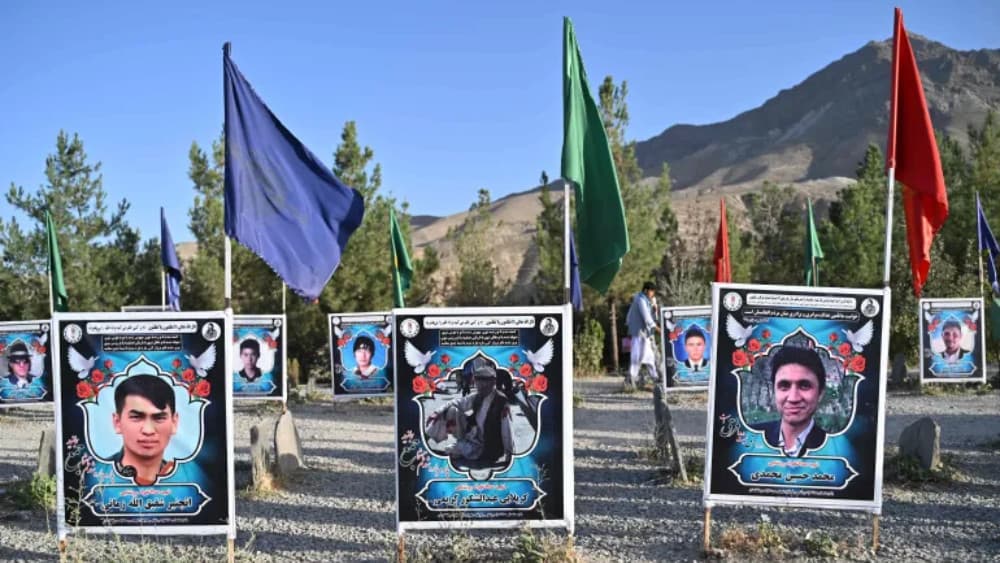
ISLAMABAD: Four years after the Taliban seized power in Afghanistan, the country's Hazara minority faces execution, eviction and mass-casualty bombings, according to human rights investigators, United Nations monitors and legal researchers.
The Hazara are predominantly Shia Muslims in the country who achieved decades of legal and educational gains under the Afghan Republic. But those protections have been dismantled since the Taliban takeover in August 2021, according to the UN Assistance Mission in Afghanistan (UNAMA), the UN Special Rapporteur on human rights in Afghanistan, Amnesty International and Human Rights Watch.
Investigators describe four converging threats: extrajudicial killings by Taliban units, the abolition of Shia legal jurisdiction, land seizures and forced taxation, and bombing campaigns by Daesh's Khorasan faction, known as ISKP. The Taliban has disarmed Hazara communities while failing to protect them from those attacks, per Amnesty International and the European Union Agency for Asylum (EUAA).
Executions and reprisal killings
In July 2021, Taliban forces killed nine Hazara men in Mundarakht village, Ghazni province, according to Amnesty International. Six were shot at close range. Three were tortured before being killed, the group found.
In Daikundi province the following month, 11 former government soldiers surrendered under a truce mediated by local elders. Taliban fighters executed nine of them and opened fire on fleeing civilians, killing a 17-year-old girl, Amnesty International reported. A Taliban commander later told village elders such killings would continue against anyone who resisted Taliban authority.
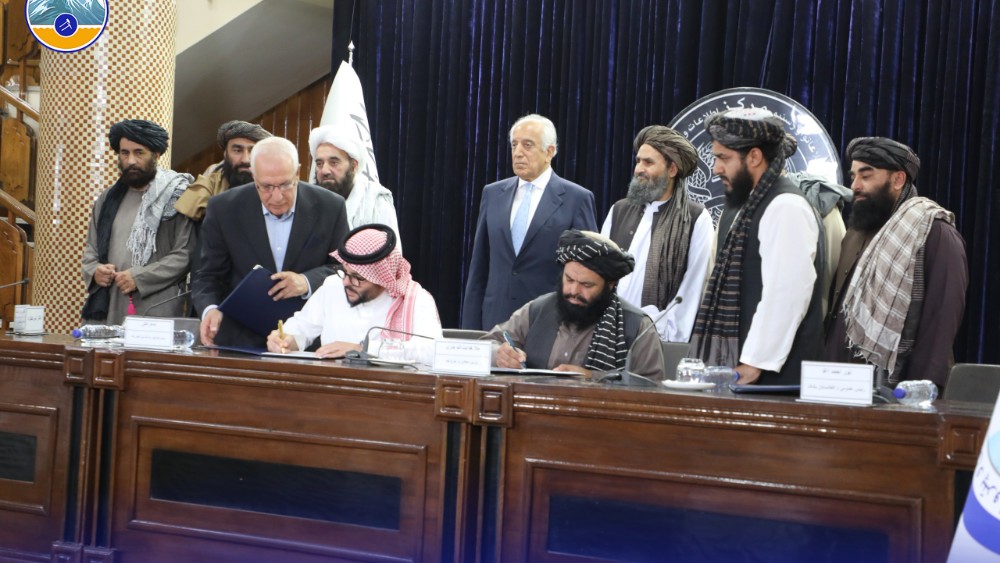
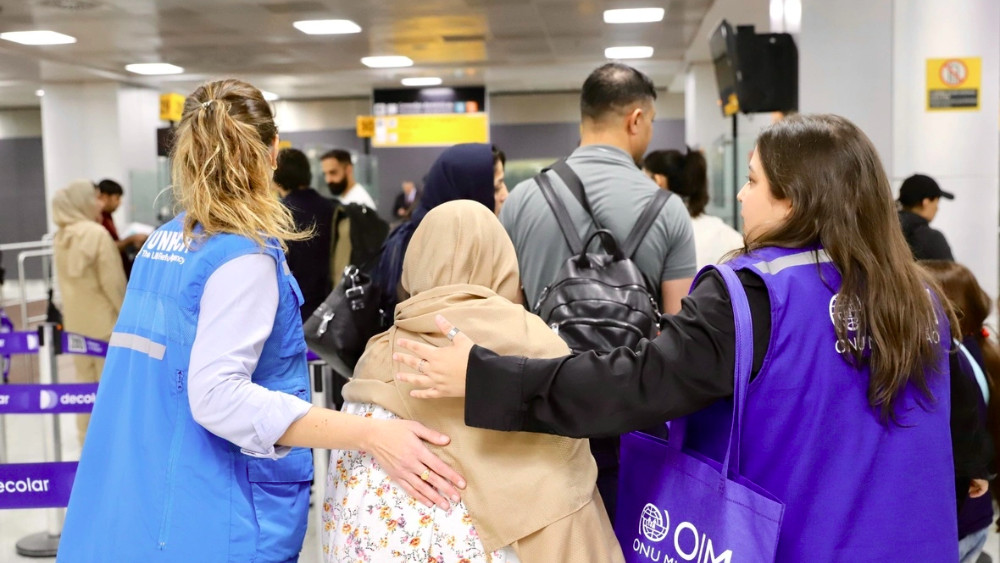
Weeks later, 8,000 to 12,000 Taliban troops encircled the Hazara-majority Balkhab district of Sar-e Pul province. Forces shelled villages and executed non-combatants, killing between 23 and more than 150 civilians, the EUAA found. More than 27,000 people fled into mountain passes without food or medical care, the agency reported.
The pattern has continued through 2025 and 2026. Taliban gunfire wounded two Shia mourners during Muharram commemorations in western Afghanistan in July 2025, according to Kabul Now.
On Sept 7, Taliban units detained 12 instructors and took control of the Khatam al-Nabieen Islamic University and seminary in Kabul, according to Kabul Now. The seminary was one of the last major institutions training Shia religious scholars in Afghanistan, and its closure removes one of the community's remaining channels for independent religious education.
Land seizures and forced payments
Human Rights Watch has documented mass evictions of Hazara farming families in Daikundi, Uruzgan, Helmand and Balkh provinces, saying families were given days to leave land they had farmed for generations without compensation.
Taliban-run commissions have since revived decades-old land disputes in favor of Kuchis, a nomadic Pashtun herding population, ordering Hazara villages to pay sums as high as $280,000 in blood money, a traditional cash penalty for past deaths, under threat of imprisonment, according to the Afghanistan Analysts Network. The rulings have stripped families of farmland and livestock, their main source of income, the group said.
An August 2026 investigation by the Bolaq Analysts Network, an Afghan research group that tracks land seizures, found more than 19,840 jeribs, or nearly 4,000 hectares, of Hazara land confiscated or restricted since 2021, deepening the community's economic displacement from its traditional farming regions.
Legal rights stripped
A UN Human Rights Council report found the Taliban revoked the 2009 Shia Personal Status Law and dissolved dedicated Shia courts, requiring Shia citizens to bring civil and family cases before Taliban-approved judges instead. The report found that the minority now has its matters decided by judges who follow a legal tradition that does not recognize its own.
UN Special Rapporteur on human rights in Afghanistan Richard Bennett reported that the Hazara face the most severe systemic violence of any group in the country and said the pattern of attacks reflects organizational policy consistent with crimes against humanity.
Human Rights Watch and the International Commission of Jurists have said the violence and rights restrictions meet the threshold for crimes against humanity under Article 7 of the Rome Statute of the International Criminal Court.
A legal assessment by the Newlines Institute for Strategy and Policy, a Washington-based research organization, concluded there is a reasonable basis to find the atrocities meet the legal definition of genocide under the 1948 Genocide Convention. The assessment pointed to killings, serious bodily and mental harm and conditions of life intended to bring about the group's physical destruction, including forced evictions, land confiscation and blockades during military operations such as in Balkhab.
The ICC Office of the Prosecutor is examining the situation in Afghanistan.