


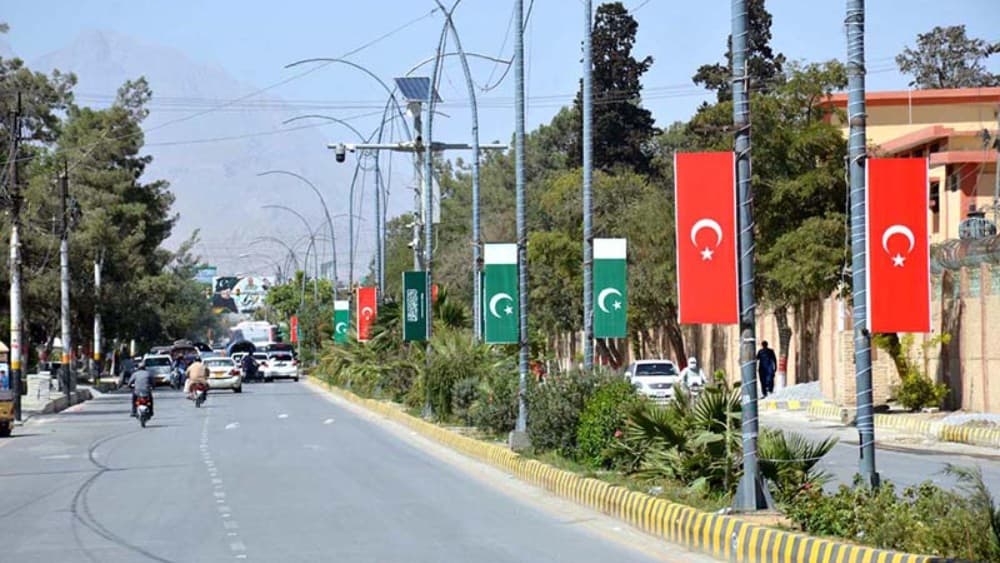
ISLAMABAD: Pakistan’s military spokesperson has described the Makkah Defence Alliance with Saudi Arabia and Türkiye as a purely defensive arrangement based on collective deterrence, saying the pact formalizes decades-old strategic and military ties among the three countries.
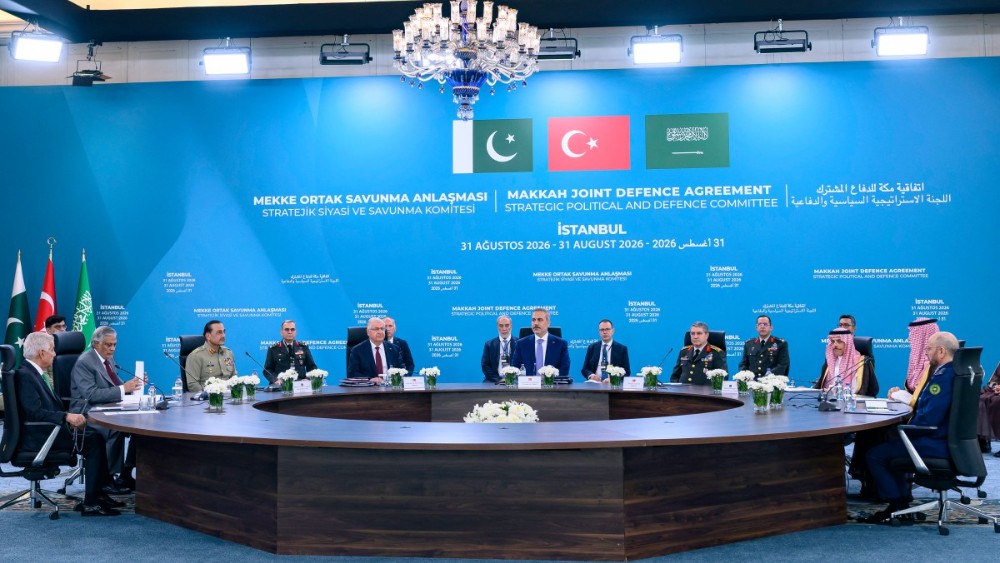
The agreement has since moved into a new institutional phase, with Pakistan, Saudi Arabia and Türkiye agreeing at their first Strategic Political and Defense Committee meeting in Istanbul on Aug 31 to establish a permanent secretariat in Saudi Arabia. Türkiye’s Foreign Minister Hakan Fidan said the framework would be known as the Makkah Defence Alliance, with its first secretary-general to come from Pakistan for a three-year term.
The development follows the Aug 7 signing of the Makkah Joint Defense Agreement in Makkah by Prime Minister Shehbaz Sharif, Saudi Crown Prince Mohammed bin Salman and President Recep Tayyip Erdoğan. The accord provides that an armed attack against any one of the three countries would be regarded as an attack against all, while calling for enhanced defense cooperation and collective deterrence.
Lt Gen Ahmed Sharif Chaudhry, Director General of Inter-Services Public Relations, said the agreement was not a new relationship created from scratch but a formalization of longstanding ties between Pakistan, Saudi Arabia and Türkiye.
“This alliance is a formalization of these strategic relationships in a peculiar environment,” Chaudhry said in an interview with Al Arabiya English, referring to the decades of people-to-people, cultural, government-to-government and military links among the three countries.
He said a plain reading of the publicly released agreement showed that it was based on collective deterrence, with “no offensive, no interference, no aggressive element” and was “purely defensive in nature.”
Asked what the agreement commits Pakistan to, Chaudhry said it “formalizes Pakistan’s decades-old relationship with the Kingdom of Saudi Arabia and the brotherly country of Türkiye” in the domains of collective deterrence and defense of the three countries.
He further described the arrangement as complementary to the three countries’ existing military relationships and other alliances, rather than competing with them.
“It is defensive,” Chaudhry said. “There are no aggressive, regional aspirations. It is a collective deterrence.”
He added that the mutual defense agreement was “complementary in nature” and did not compete with other relationships maintained by the three countries.
The spokesperson declined to disclose how the three countries would operationalize their mutual defense commitments in the event of an attack, saying such details were part of operational classification and security.
“The ‘how’ part of how we are going to defend Pakistan or our partners against any aggression” was, he said, for the three countries to determine and implement, rather than something normally disclosed publicly.
The new institutional framework agreed in Istanbul goes beyond the original signing by creating a permanent mechanism to support implementation of the pact. The joint statement said the three countries would strengthen their solidarity and the credibility and effectiveness of their collective deterrence and defense.
It also committed them to defense-industry cooperation, joint technology development and production.
Pakistan’s Foreign Office has described the agreement as “purely defensive in nature” and said it is intended to strengthen collective deterrence against external aggression while promoting peace, security and stability. It has also stressed that the accord is not directed against any country.
The institutionalization of the framework had been identified as one of the agreement’s potentially consequential features by US South Asia expert Daniel Markey in an interview with Pakistan TV Digital. Markey, a senior fellow at the Stimson Center, said the pact consolidates and publicizes earlier defense arrangements and has the potential to create a formal institutional structure around them.
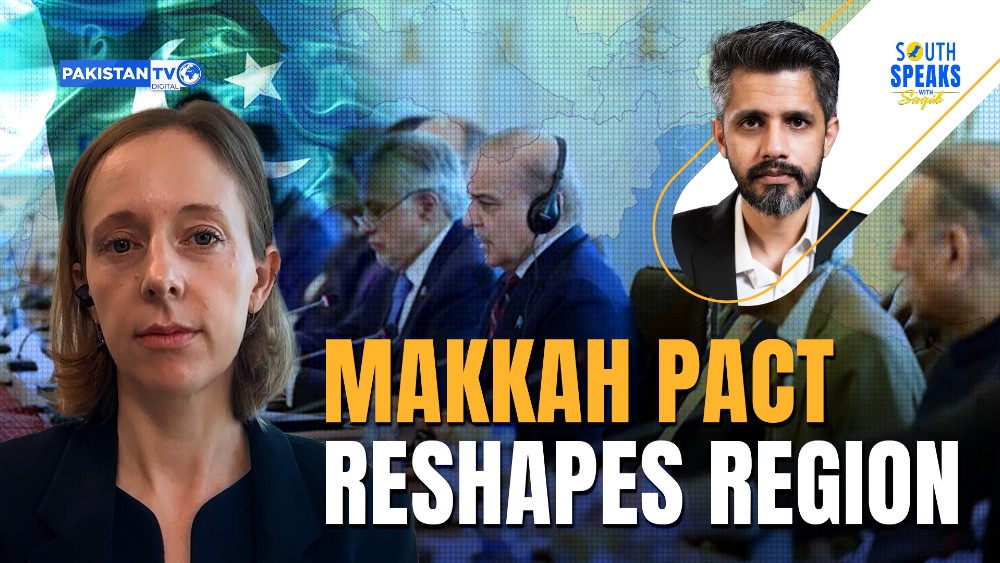
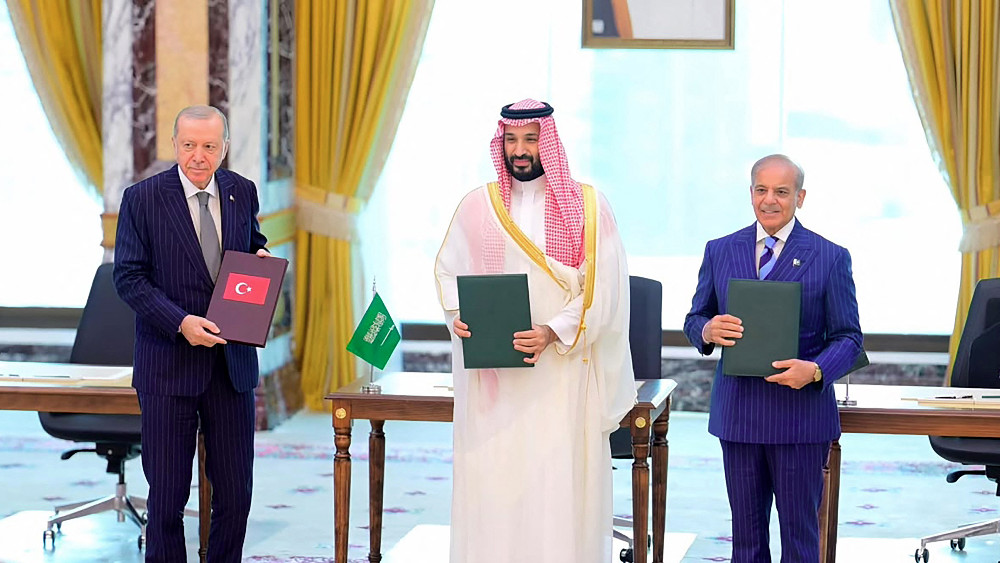
Markey said the agreement could strengthen Pakistan’s strategic position by giving it a more established role within a wider regional security framework.
He also said the pact should not be viewed primarily as an arrangement directed against India, noting that its central security concerns are rooted in the wider Middle Eastern environment.
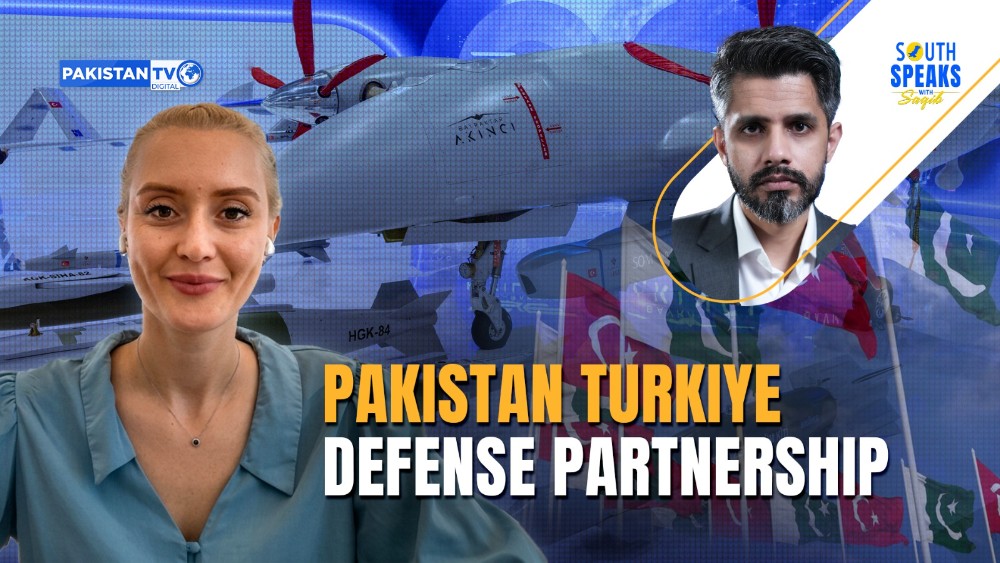
The agreement’s broader regional implications have also been highlighted by other experts speaking to Pakistan TV Digital. Research Fellow Annelle Sheline of the Quincy Institute described the pact as a possible marker of a “new regional order,” arguing that regional states are increasingly seeking security arrangements beyond reliance on Washington.
The agreement, for Pakistan, therefore combines an existing foundation of bilateral defense ties with Saudi Arabia and Türkiye with a newly emerging institutional framework.
Pakistan military spokesperson said Islamabad’s broader objective remained regional peace and stability, stressing that Pakistan supports mediation where it contributes to a peaceful outcome.
“Pakistan is interested in regional peace and stability, because peace and stability is essential for development, for human development, for prosperity for the citizens of Pakistan and the region,” he said.
The three countries have also said the Makkah Defence Alliance will remain complementary to their other international partnerships and will operate around principles of defense, sovereignty, territorial integrity, non-interference and regional stability.