


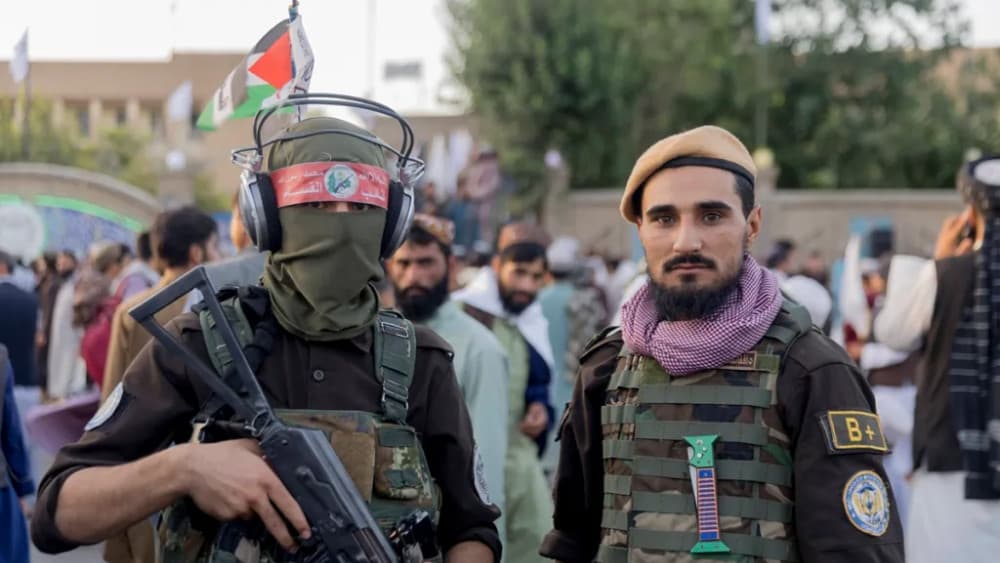
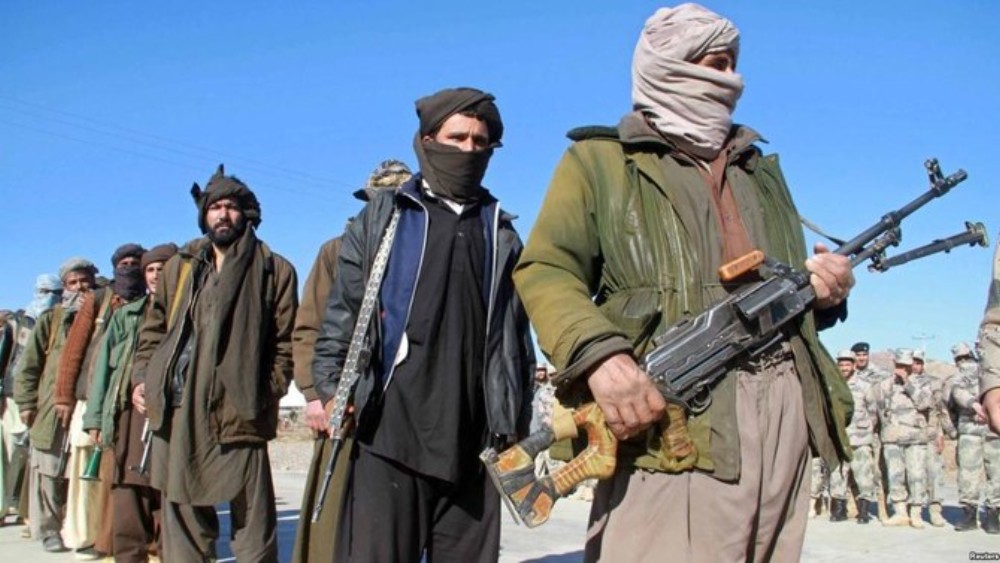
ISLAMABAD: The Afghan Taliban are using state laws and forced conversions to systematically persecute religious and ethnic minorities, as reported by the United Nations and various human rights organizations.
According to a United Nations Assistance Mission in Afghanistan (UNAMA) governance review, since returning to power in 2021, the group has replaced the national constitution with a framework of decrees and a restrictive interpretation of religious law.
Religious minorities face state-led coercion.
A January 2025 UNAMA report states the Afghan Taliban forced at least 203 people to convert. In Badakhshan province alone, at least 50 Ismaili men were forced to convert through physical assault and death threats.
An Amnesty International investigation reported the June 2025 killing of a World Health Organization security guard in Jalalabad following reported torture. In July 2025, another community member was shot and killed in Badakhshan province.
Ethnic minorities face systemic displacement.
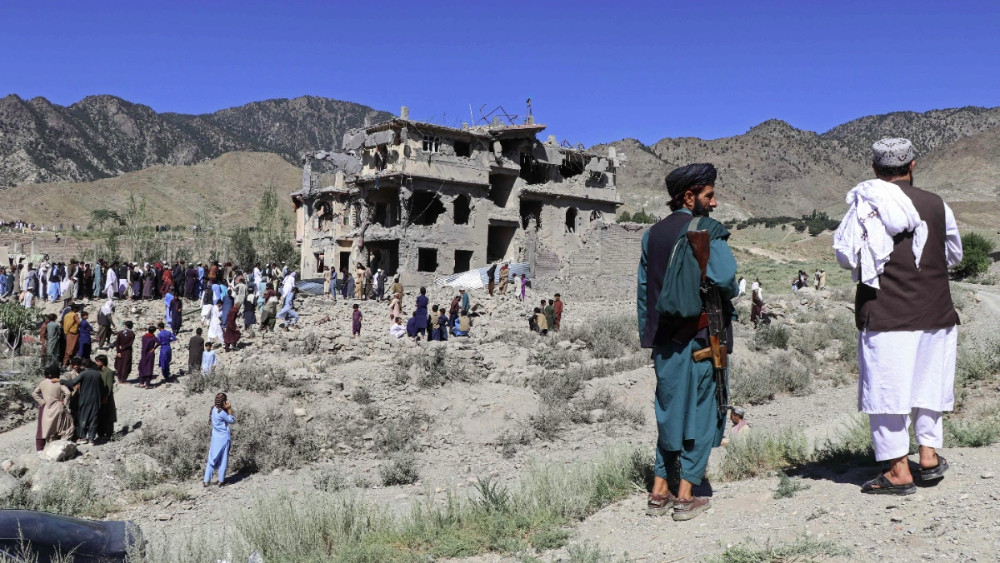
According to a July 2025 UNAMA report, the Taliban forcibly evicted Hazara families from Rashak village in Bamiyan province after a local court ruled a land dispute in favor of Pashtun nomadic communities.
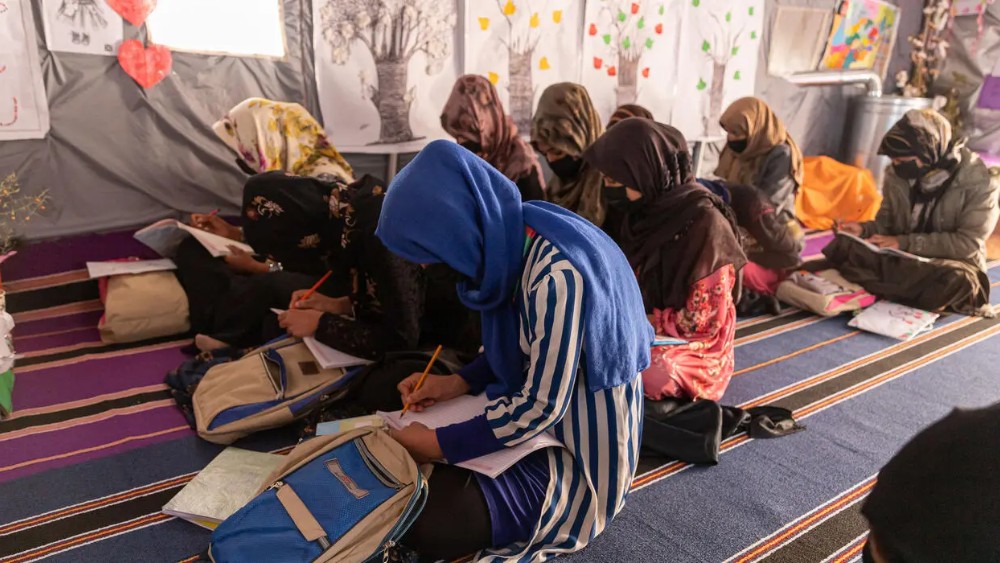

The Taliban also banned the construction of Ismaili mosques in Badakhshan and forced Hazara and Ismaili children into Taliban-approved religious education, UNAMA reported.
Sikh, Hindu minorities targeted
Sikh and Hindu religious minorities in Kabul have also faced the systematic seizure of their properties, as reported in a 2025 Human Rights Watch minority rights report.
New legislation has further institutionalized these abuses.
On Jan 7, the Afghan Taliban enacted the Criminal Procedural Regulations for Courts. Under this decree, the law assigns different punishment levels based on a person's social or religious group, granting impunity to some while subjecting others to harsher penalties.
The August 2024 Law on the Propagation of Virtue and Prevention of Vice gave police broad authority to regulate citizens' personal lives. The decree intensifies restrictions on freedom of movement and expression, giving authorities the power to intervene in private behavior.
Human Rights Watch reported that under this law, four men were convicted of same-sex relations in February 2025 and sentenced to lashings and prison terms of up to five years.
International bodies have responded to the violations.
In July 2025, the International Criminal Court issued arrest warrants for the Taliban leader and the Chief Justice on charges of crimes against humanity for the persecution of women and gender-nonconforming people.
The UN Human Rights Council also established an independent international accountability mechanism to preserve evidence of the violations.