


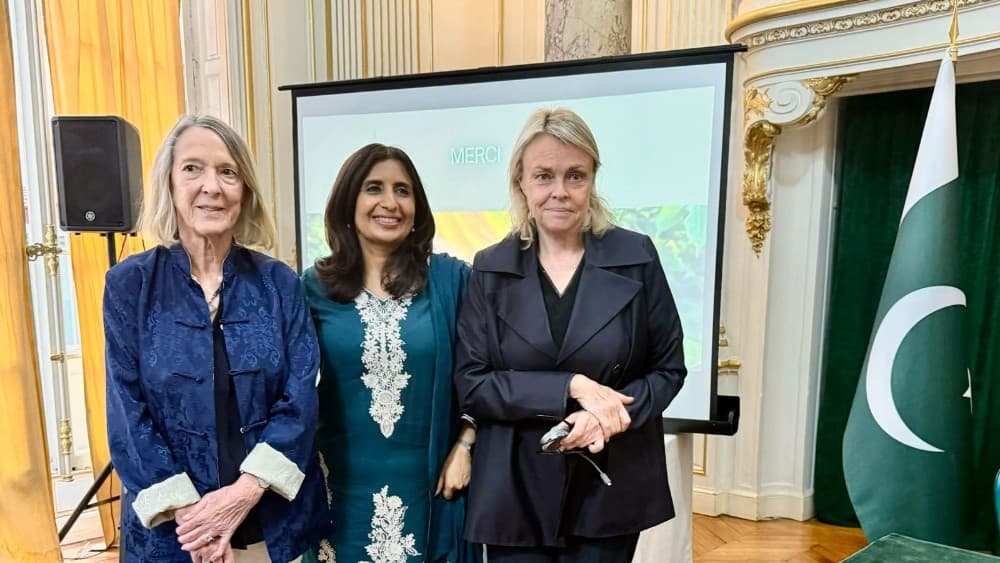
ISLAMABAD: Pakistan has showcased its multi-millennial cotton heritage in Paris, highlighting the crop’s deep roots in the country’s history and its enduring importance to the modern textile and apparel industry.
A conference titled “Cotton Thread – A Multi-Millennial History of the Culture of Cotton of Pakistan” was held at the Embassy of Pakistan in Paris, bringing together diplomats, UNESCO officials, representatives of the French textile industry and fashion designers to explore the history of cotton cultivation in Pakistan and its evolution into a global fashion industry.
Speaking on the occasion, Ambassador Mumtaz Zahra Baloch traced the history of cotton in ancient Pakistan to around 7,000 years ago, highlighting the contributions of generations of farmers, spinners and weavers in developing a longstanding textile tradition.
She said that as cotton traveled across continents, it carried with it “not only a valuable commodity but also knowledge, craftsmanship and cultural exchange.”
Cotton and textiles remain central to Pakistan’s manufacturing and export base, linking agriculture with centuries-old traditions of spinning, weaving, embroidery and textile craftsmanship.
From the spinning mills of Faisalabad to export houses in Karachi and Lahore, the sector brings together farmers, artisans and industrial workers while connecting Pakistan’s textile production to international markets.
For Pakistan, Baloch said, cotton is not simply an agricultural crop or an economic commodity but is also deeply woven into the country’s cultural heritage.
She highlighted traditional skills and craftsmanship as part of the living heritage passed from one generation to another, linking these traditions with the broader effort to safeguard intangible cultural heritage.
The event also comes as Pakistan and France seek to deepen a relationship that has increasingly expanded beyond traditional diplomatic and security cooperation into trade, investment, culture, education and people-to-people ties.
The 2023 Pakistan-France Roadmap for Bilateral Cooperation provided a framework for broadening engagement, while recent economic outreach in Paris has placed greater emphasis on expanding business and trade links between the two countries.
The conference formed part of the embassy’s public and economic diplomacy outreach aimed at highlighting Pakistan’s historical and contemporary links with cotton, textiles and their centrality to the country’s economy.
Fredrika Sundberg, founder of M/s Sunberg and president of the group Cercle des Amis du Pakistan, shared her expertise on Pakistan’s textile sector, retracing the millennia-old roots of cotton in Pakistan from its historic origins in the Indus Valley to today’s textile industry.

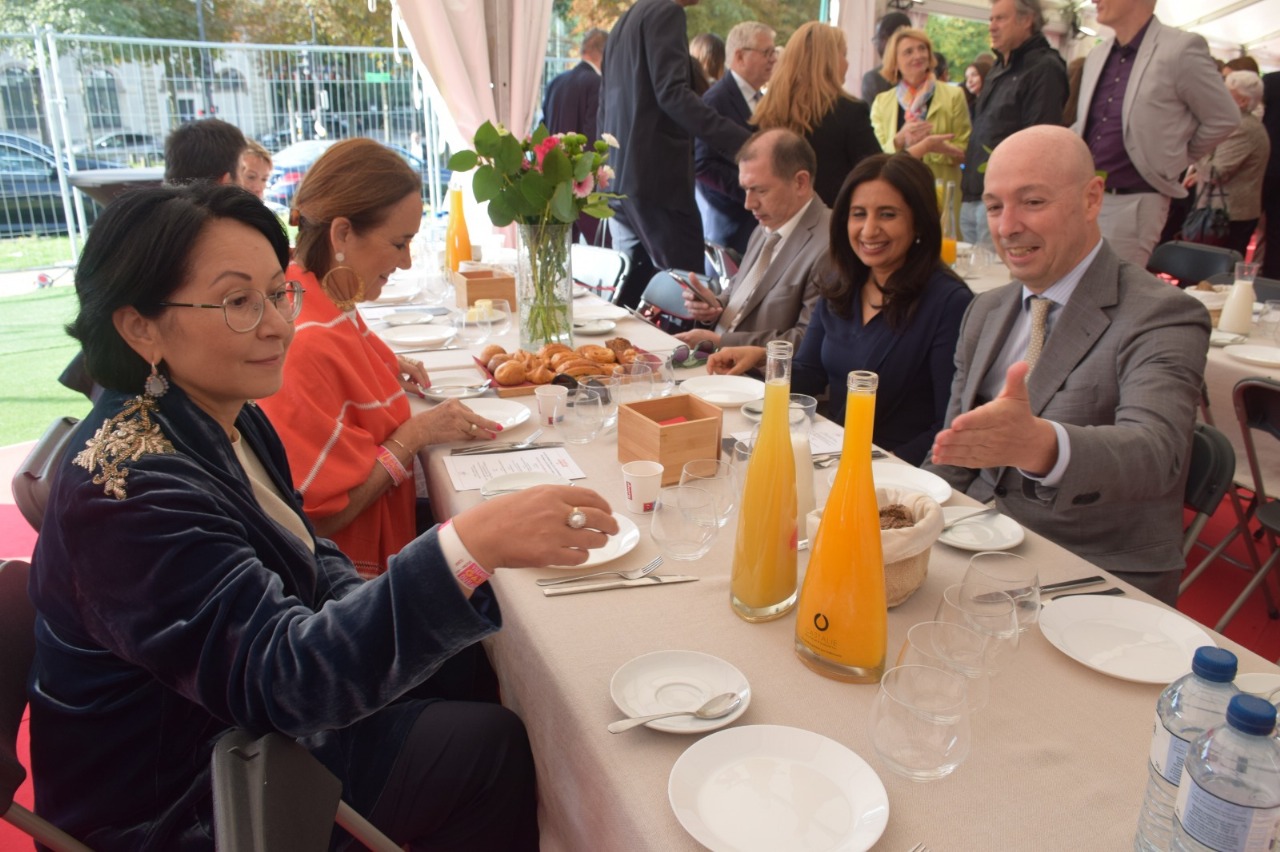
She also highlighted Pakistan’s export potential in the textile sector.
Catherine Jarrige, archaeologist and former co-director of the French Archaeological Mission to the Indus Basin, shared her insights on archaeological evidence relating to cotton cultivation in ancient Pakistan.
According to the Pakistan Embassy, Jarrige highlighted archaeological finds showing that cotton was “cultivated, spun and woven over 7000 years ago” in the region.