


This live blog follows the latest developments across the Middle East crisis, including regional diplomacy, maritime security, ceasefire negotiations, and economic fallout.
Catch up on Sunday’s top developments here:
- US started the war but expects the world to pay: Iranian foreign ministry
- Toll from Yemen clashes passes 300 as civilians flee homes
- Iran raises price of petrol as US applies economic pressure
- Pakistan, seven other countries reject forced displacement of Palestinians from Gaza
- Egypt backs Islamabad framework for US-Iran talks
Sunday at a glance
Published: Sept 7, 2026 | 00:00 GMT | by Web Desk
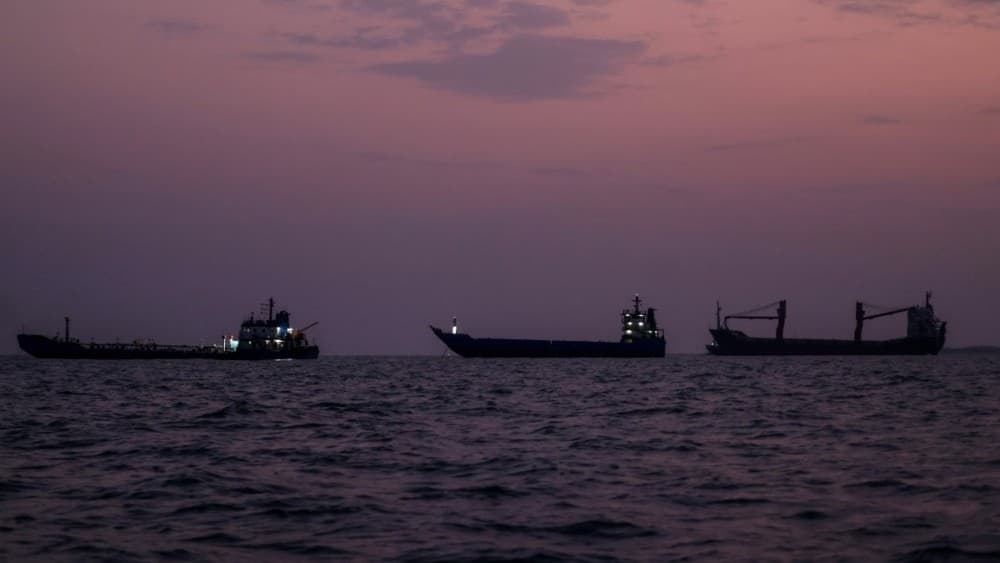
Iran top security chief Mohsen Rezaei said his country would establish a "prohibited zone" near the strategic Strait of Hormuz as Tehran and Washington continued trading strikes against each other.
The government in Iran announced they were raising the price of petrol for heavier consumers, as US stepped up sanctions seeking to isolate the country's economy.
Foreign Ministry Spokesperson Esmaeil Baqaei lashed out at Washington for trying to "present the world with the bill for a disruption of its own making—and put Iran’s name on it."
Meanwhile, Egypt called on both countries to resume negotiations based on the Islamabad Memorandum of Understanding, highlighting Pakistan’s diplomatic framework as a possible pathway toward resolving outstanding issues through dialogue.
Pakistan and seven other Muslim nations have strongly condemned statements and proposals calling for the displacement of Palestinians from the Gaza Strip, terming them a violation of international law and a threat to Palestinian rights.
Continuing Islamabad's efforts to establish peace, Pakistan’s Deputy Prime Minister and Foreign Minister Ishaq Dar, spoke with his Egyptian Saudi and Turkish counterparts and discussed regional issues.
For earlier developments, read our Sept 6 live blog here.