


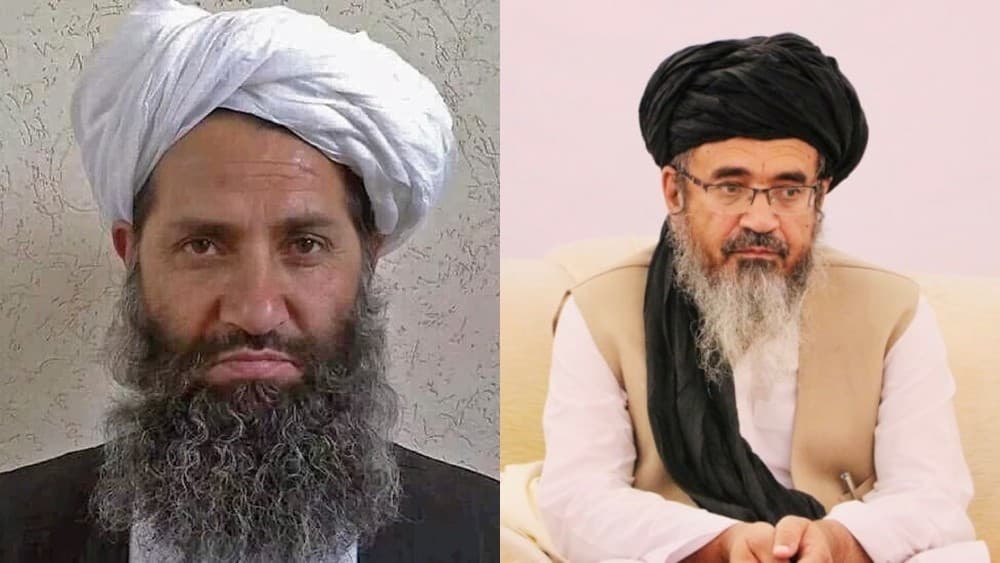
ISLAMABAD: One year after the International Criminal Court (ICC) in The Hague issued arrest warrants for two senior Taliban leaders, no arrests have been made, but the warrants remain in force and continue to shape the group's international standing.
On July 8, 2025, the ICC issued arrest warrants for Taliban supreme leader Hibatullah Akhundzada and Chief Justice Abdul Hakim Haqqani over alleged crimes against humanity linked to the systematic persecution of women, girls and others on gender and political grounds in Afghanistan.
According to the ICC, there are reasonable grounds to believe that, since the Taliban returned to power on August 15, 2021, the two leaders played central roles in implementing decrees, rulings and official policies that deprived women and girls of fundamental rights, including access to education, employment, freedom of movement, expression and freedom of religion or belief.
The court said the warrants are based on extensive evidence, including reports by human rights organizations, witness and victim testimony, media documentation and official Taliban decrees.
ICC judges concluded that the restrictions formed part of a deliberate and systematic policy to exclude women and girls from public life.
The policies cited by the court include bans on girls' secondary and higher education, restrictions on women's employment, severe limits on freedom of movement, and the suppression of protesters and civil society activists.
The ICC said Akhundzada, as the Taliban's highest authority, bears primary responsibility for implementing and overseeing these policies.
The Taliban rejected the warrants, saying it does not recognize the jurisdiction of the ICC.
The court has no police force of its own, and enforcement of arrest warrants depends on the cooperation of countries that are parties to the Rome Statute.
With Taliban leaders remaining inside Afghanistan, where the group continues to exercise control, the warrants have not been executed.
Despite the lack of arrests one year later, the ICC says the warrants remain valid and continue to carry legal and political consequences, limiting the international legitimacy of the Taliban leadership while keeping allegations of gender-based persecution before the international justice system.