


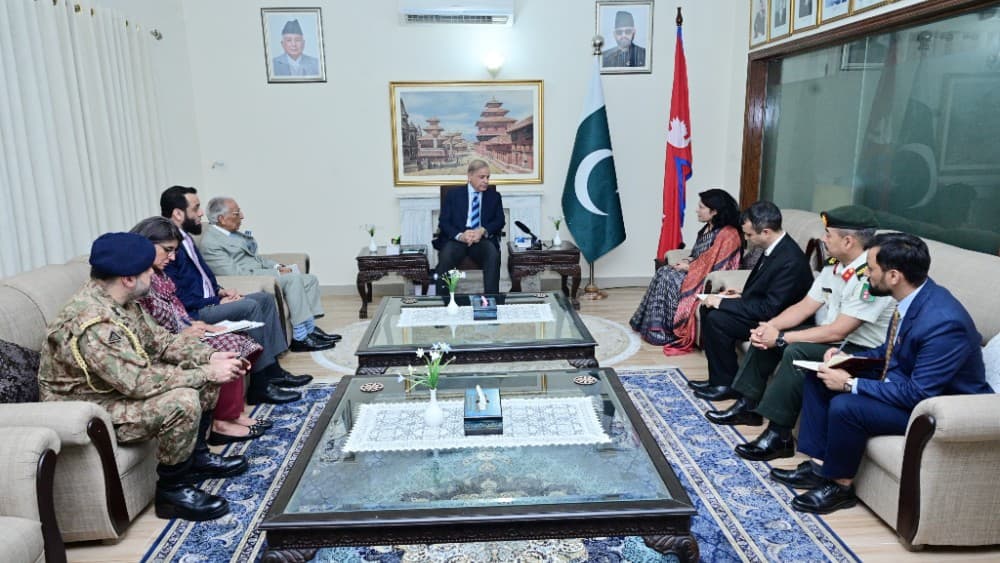
ISLAMABAD: Prime Minister Shehbaz Sharif has reaffirmed Pakistan’s solidarity with Nepal as the death toll from devastating floods and landslides rises and thousands remain missing, with Pakistan preparing to dispatch emergency relief assistance.
PM Sharif visited the Embassy of Nepal in Islamabad on Thursday, where he met Nepal’s Ambassador Rita Dhital and signed the condolence book for victims of the disaster.
He expressed Pakistan’s condolences over the loss of lives and conveyed solidarity with the people and government of Nepal.
The prime minister had earlier spoken by telephone with Nepali Prime Minister Balendra Shah on Aug 28, conveying his “heartfelt condolences” over the loss of life and destruction caused by the floods and landslides.
The premier expressed “complete solidarity” with Nepal and assured his Nepali counterpart that Pakistan was ready to provide “whatever possible assistance was required” during the crisis, according to the Prime Minister’s Office.
He also said Pakistan was dispatching emergency relief assistance to Nepal.
Pakistan’s National Disaster Management Authority has separately initiated arrangements for air cargo services to transport relief goods and support the emergency response in Kathmandu.
Nepal disaster toll rises
The latest figures from Nepal’s disaster authority put the death toll at 1,259, with 5,083 people missing, underscoring the scale of the humanitarian crisis.
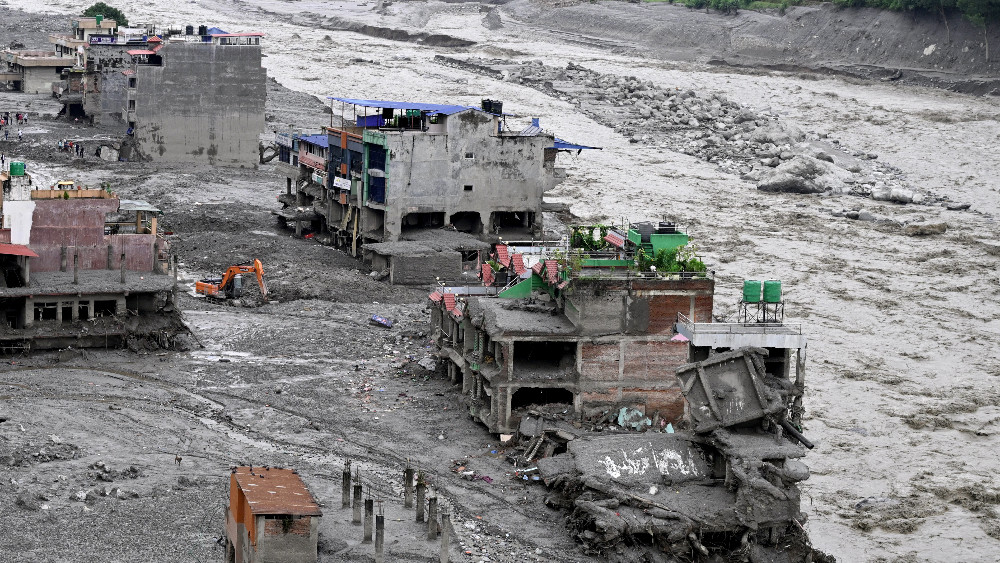
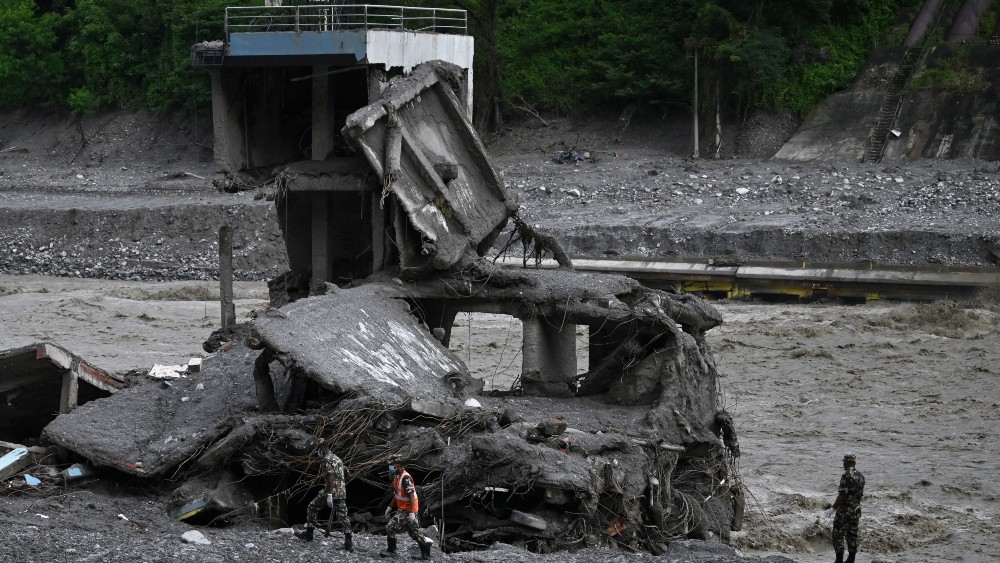
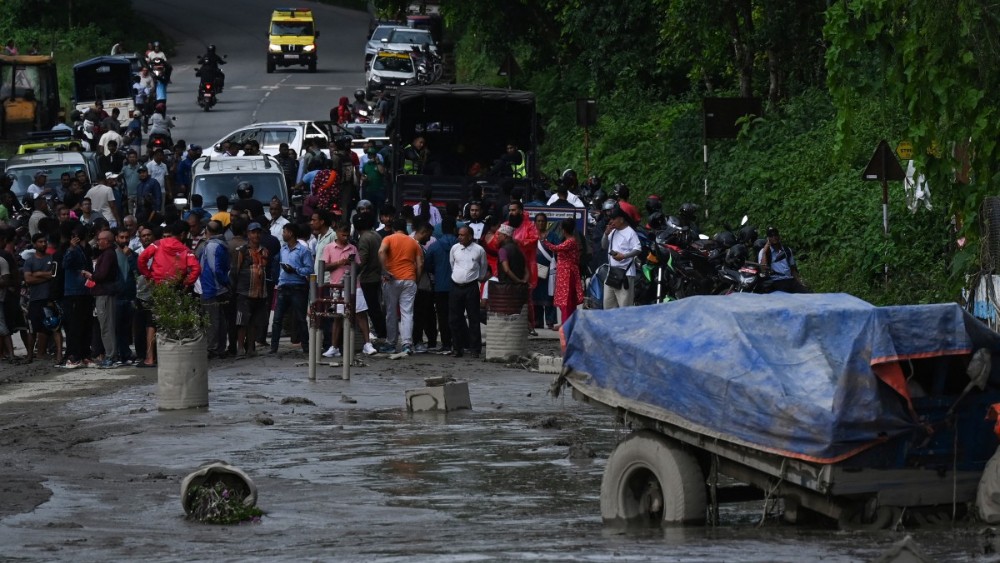
Nepal’s Foreign Ministry, in its latest published briefing, reported that 1,252 bodies had been recovered, around 4,200 people remained missing and 11,993 people had been rescued, including more than 300 foreign nationals.
The figures are being updated as search, rescue and verification operations continue.
The disaster began Aug 26 when an ice-rock avalanche in the upper watershed near the Nepal-China border generated a major flood and debris flow into the Bhote Koshi River, according to Nepal’s disaster authorities.
More than 9,300 Nepali Army personnel have been deployed across affected areas, from Timure in Rasuwa to Nuwakot, Dhading, Chitwan and Nawalparasi East, to conduct search and rescue, recovery and relief operations.
The rescue effort has also drawn specialized international teams. Tunnel rescue teams from India, China and South Korea are working alongside Nepali personnel to search collapsed hydropower tunnels, while forensic and disaster-victim-identification teams from India, China, Singapore and South Korea are helping identify recovered bodies.
Nepal has requested additional specialized equipment, including high-capacity drones, LiDAR systems, Bailey bridges, DNA kits, body bags, flood rescue vehicles, mobile air traffic control equipment, ground-penetrating radar and high-capacity pumps.
International assistance
The disaster has prompted a widening international humanitarian response.
The European Union announced an additional $587,000 in emergency assistance on Thursday, taking its total humanitarian funding for the disaster to more than $2.5 million. The EU said the assistance would support up to 20,000 people with shelter, cash, water and sanitation, healthcare and psychosocial support.
The EU is also organizing a humanitarian air bridge to Kathmandu, with a flight carrying more than 80 tons of relief supplies scheduled from emergency stocks in Copenhagen. European countries are providing additional shelter, hygiene and forensic supplies through the EU Civil Protection Mechanism.
Australia has committed A$11 million in humanitarian assistance, including support for emergency shelter, food, health services and locally led recovery. Australian specialist drone operators are also supporting search and rescue efforts, while an Australian military aircraft delivered humanitarian supplies to Nepal on Sept. 2.
China has provided emergency cash and humanitarian assistance, sent an initial 50 tons of relief supplies to Kathmandu and deployed two tunnel rescue teams to the affected areas. China has also shared satellite imagery, hydrological data and early-warning information with Nepal.
Qatar has delivered urgent humanitarian supplies, including water extraction and pumping equipment, lighting, food and multipurpose tents, with its search and rescue personnel participating in relief efforts.
The United Nations has also mobilized emergency funding and humanitarian support for the government-led response, including an initial $2 million allocation from the Central Emergency Response Fund.
Nepal’s Foreign Ministry said the government had mobilized all available resources but continued to seek international solidarity as rescue teams confronted destroyed infrastructure, difficult terrain and collapsed tunnels.
The ministry has also highlighted the wider vulnerability of Himalayan communities to extreme weather and called for stronger early-warning systems, disaster preparedness, resilient reconstruction and greater international support for climate-related losses.