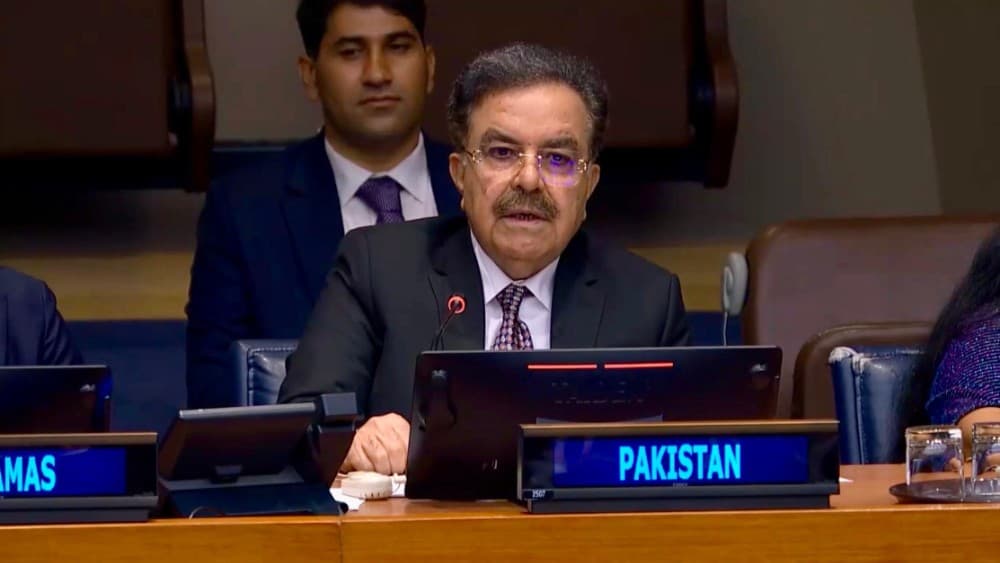
ISLAMABAD: Pakistan's debt growth slowed to 7.7% in fiscal year 2026, the lowest rate in two decades, while the debt-to-GDP ratio fell to around 68 % from 75 % the previous year, the country’s Adviser to the Finance Minister Khurram Shehzad announced Thursday.
In a post on X, the adviser stated that the comparison marks a sharp contrast with historical trends. Debt growth averaged 16% annually over the past 20 years, with a peak of 31% in fiscal 2019.
External reserves strengthen
External debt exposure also declined. External debt-to-GDP fell to 21.5% in fiscal 2026, a nine-year low compared with around 31 % during fiscal 2019-2021, Shehzad reported.
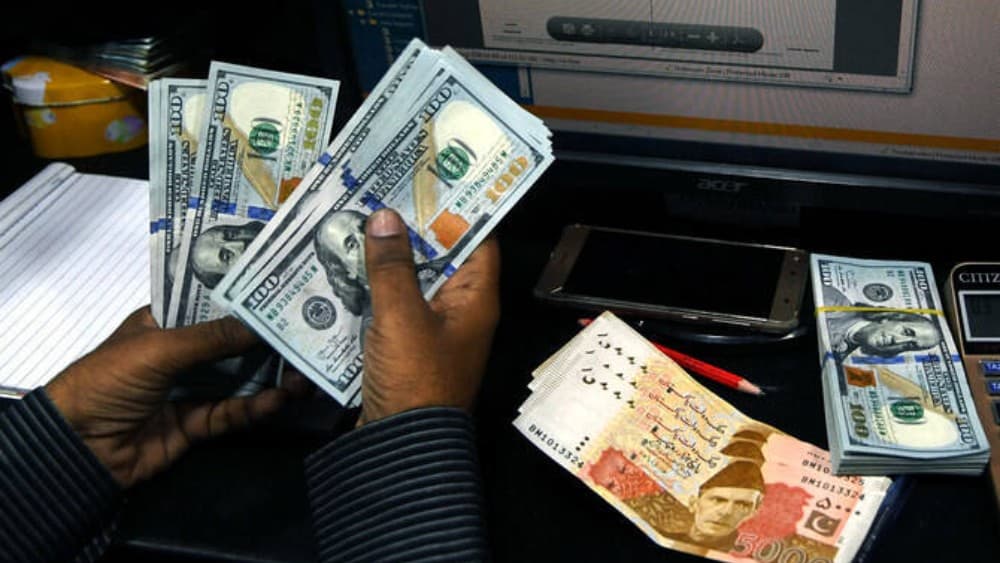
The country’s State Bank reserves strengthened significantly, rising from $2.9 billion in mid-fiscal 2023 to $18.4 billion in fiscal 2026. The adviser said the increase raised reserves from approximately 2.4 weeks of import cover to roughly three months.
The share of foreign debt in total public debt fell to around 31% in fiscal 2026 from 37% to 38% during fiscal 2019-2023, shifting the domestic-to-foreign debt mix to roughly 69:31.
The government retired Rs4.72 trillion ($16.98 billion) in debt before maturity, while average domestic debt maturity increased from around 2.8 years to more than 3.8 years, he said.
Interest burden falls
Interest expenses declined from around Rs8.9 trillion ($32.02 billion) to Rs6.9 trillion ($24.8 billion). Interest payments as a share of total federal and provincial revenues fell from 61% in fiscal 2024 to around 35% in fiscal 2026.
The adviser reported that tax revenues grew 11% in fiscal 2026, compared with 7.7% debt growth. Pakistan recorded three consecutive primary budget surpluses.
Returns to capital markets
Pakistan returned to international capital markets after a four-year gap through Eurobond and Panda Bond issuances. Shehzad said The Panda Bond received subscriptions five times the amount offered.
In July 2026, S&P Global Ratings upgraded Pakistan's sovereign credit rating from B-minus to B with a stable outlook. The agency cited stronger fiscal consolidation, improved revenue mobilization, rebuilding of foreign exchange reserves, reform implementation and declining government debt-to-GDP.
'Stronger finanical buffers'
Khurram Schehzad said that the latest indicators point towards improving debt sustainability, affordability and repayment capacity.
He said that Pakistan is moving from debt accumulation towards debt containment, from rollover risks toward active liability management, and from external vulnerability toward stronger financial buffers.


.jpg&w=3840&q=75)

.jpg&w=3840&q=75)