



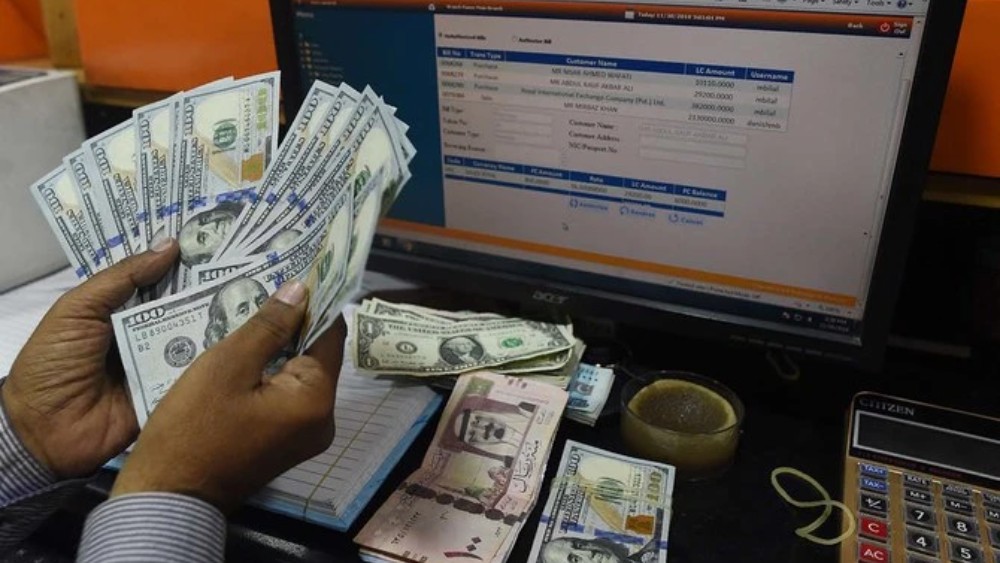
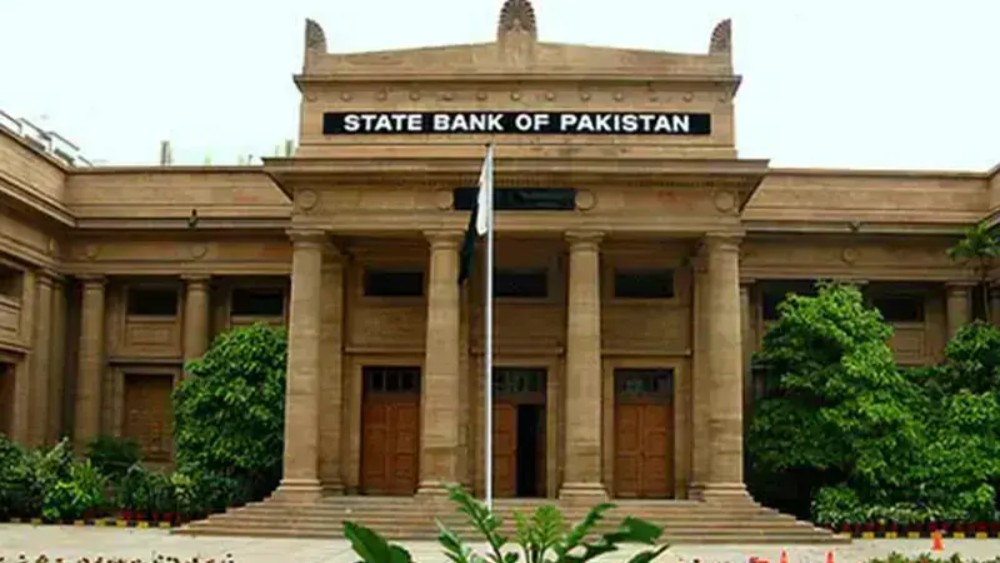
ISLAMABAD: Pakistan’s foreign exchange reserves, held by the State Bank of Pakistan (SBP), have reached an all-time high, according to the central bank’s latest data.
The reserves stood at $21.389 billion on Sept 11, while commercial banks held $5.402 billion, bringing the country’s total liquid foreign exchange reserves to $26.791 billion.
The reserve position represents a significant increase from $18.328 billion recorded by the SBP just one week earlier, on Sept 4, according to central-bank data.
The latest figure marks a sharp improvement from the severe external-sector pressures Pakistan faced during the 2022-23 crisis, when SBP reserves fell to critically low levels.
According to a Business Recorder report, Eurobond inflows helped support the latest increase and pushed SBP reserves to a record level.
The finance minister's adviser Khurram Schehzad said in a statement on X that the buildup provides Pakistan with a larger foreign exchange buffer to meet external payment obligations and manage potential pressures arising from global economic and financial shocks.
“The improvement has also come against the backdrop of stronger external-sector indicators, including workers’ remittances and developments in the country’s current-account position,” he added.
The SBP continues to publish weekly foreign exchange reserve data as part of its external sector statistics.
Pakistan’s reserve accumulation is closely watched because adequate foreign-exchange holdings are important for financing imports, servicing external debt, and maintaining confidence in the country’s external position.
The record level comes as Pakistan seeks to consolidate the stabilization achieved after the balance-of-payments crisis and strengthen its ability to withstand external financing and commodity-price shocks.
While higher reserves improve the country’s external liquidity position, the sustainability of the buildup will depend on continued growth in foreign exchange earnings, remittances, exports, and other stable inflows, as well as on effective management of external obligations.