

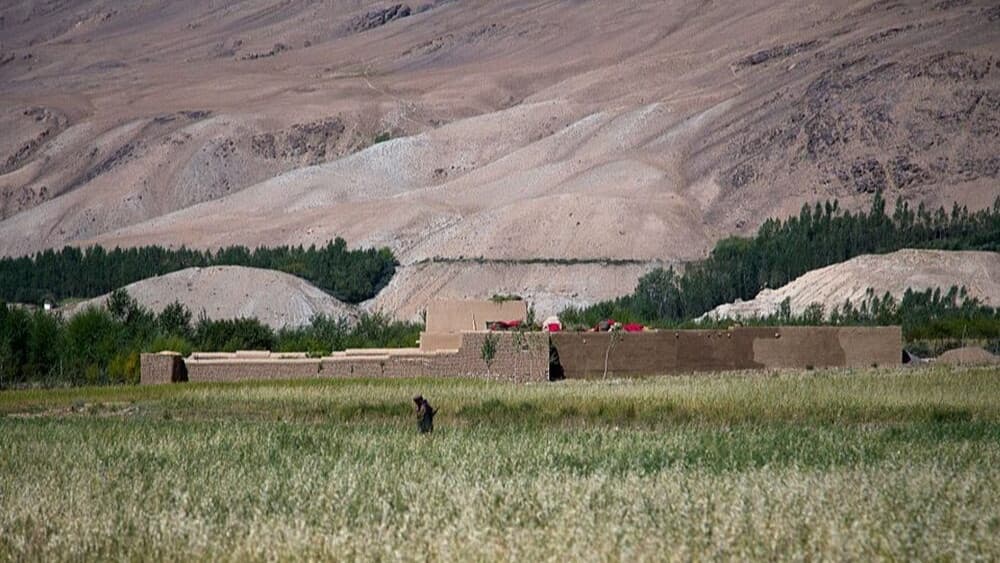
ISLAMABAD: Anti-Taliban forces breached Taliban defensive lines in contested northeastern Afghanistan this week, capturing strategic positions in a battle that both sides describe differently but agree was unusually intense.
The Afghanistan Freedom Front said in a post on X that it broke through the Taliban's primary defensive positions in Zebak district on Monday. The anti-Taliban group claimed it seized multiple fortified outposts and killed at least six Taliban fighters, with eight more wounded.
The Taliban sent reinforcements from Faizabad, the provincial capital, to retake the ground. Afghanistan International reported that the AFF repelled that counterattack and held the positions; a detail that separates this claim from years of resistance activity that amounted to raids, not conquest.
Unlike past clashes between AFF and the Afghan Taliban, the former say they held the ground. The claims could not be independently verified, but if accurate, they point to a resistance movement that is no longer just harassing the Taliban but capable of taking territory and keeping it.
That distinction is the significance of Zebak. A group that seizes an outpost and withdraws is running a guerrilla campaign. A group that seizes an outpost and then defeats the attempt to retake it is contesting the territory outright.
Afghanistan International reported that AFF fighters went on to repel several further Taliban attempts to retake the highlands in the days after the initial breach; the strongest evidence of anything claimed by either side that the group's gains were not fleeting.
The Taliban's 219th Omar-e-Salis Division confirmed clashes occurred but disputed the AFF's account almost entirely, telling Amu TV that border forces had killed five infiltrators from a neighboring country rather than repelled an organized assault. Notably, the Taliban did not address the AFF's central claim: that it held the ground afterward. That silence is itself telling: the regime contested who was killed, but not who currently controls the outposts.
Fighting on multiple fronts
The AFF's capacity to sustain this kind of fight is not accidental. The group is led by General Yasin Zia, the former chief of staff of the Afghan National Army, and is largely composed of former commandos and intelligence officers from Afghanistan's previous security forces, according to FDD's Long War Journal. A resistance drawing on trained, professional soldiers is structurally better positioned to hold territory under counterattack than the loosely organized local militias that have made up much of the anti-Taliban insurgency since 2021. This is precisely the capability Zebak appears to demonstrate.
The group also showed it can fight on more than one front at once. During the Zebak assault, the Afghan Front said it simultaneously ambushed a Taliban convoy on the Kabul-Balkh highway in Baghlan province, roughly 300 kilometers away, killing seven Taliban members, according to KabulNow. Executing two coordinated operations in separate provinces simultaneously requires planning and communication that isolated local cells typically lack. This is a further sign of organizational growth, not just battlefield luck.
None of this means the Taliban's overall grip on the country is in danger; the reporting does not establish the AFF's total strength relative to Taliban forces regionally or nationally. But the specific, verifiable-if-true pattern here, "seize ground, defend it, strike elsewhere at the same time," is what would be expected from a resistance movement transitioning from insurgency to a force capable of contesting territory outright.