


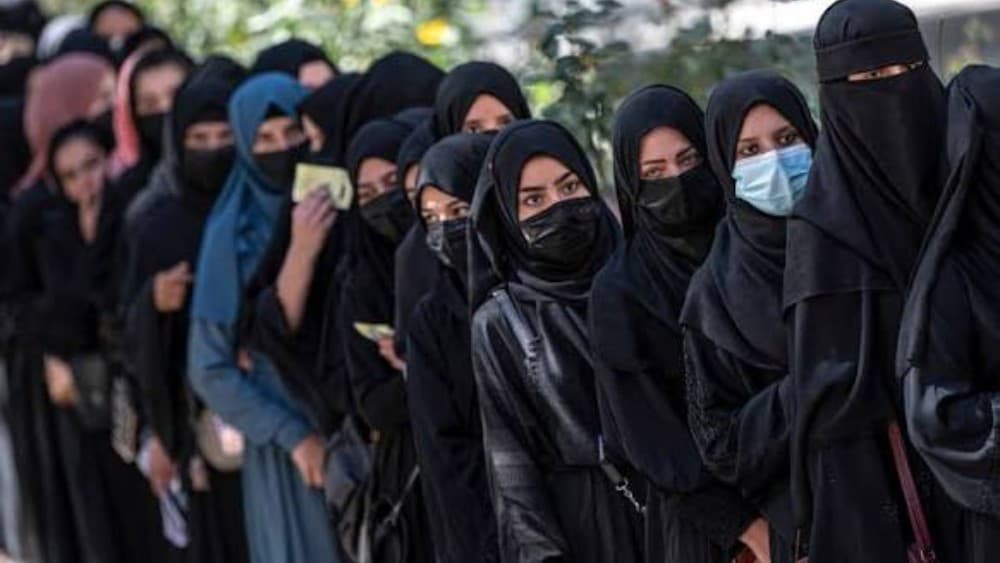
ISLAMABAD: Five years after the Taliban returned to power in Afghanistan, women in the country are living under what a Guardian writer describes as a system of “enslavement” that has stripped them of freedom, education, work and identity.
The assessment comes as recent UN reporting continues to document severe restrictions on women and girls in Afghanistan.
On Aug 13, the UN Assistance Mission in Afghanistan said increasingly damaging restrictions on women and girls remain among the major challenges hindering the country's recovery and progress.
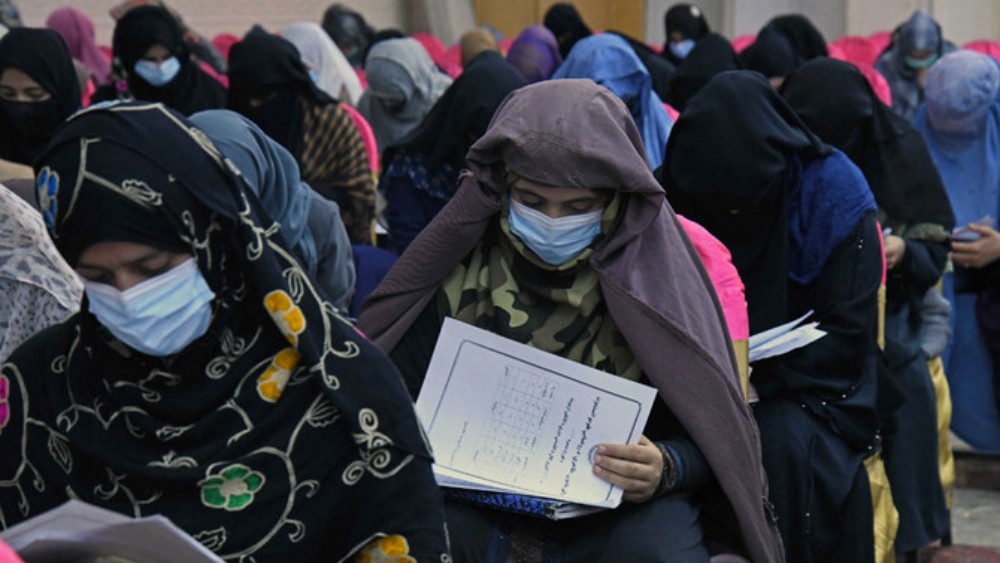
A day later, UNICEF said more than 2.6 million girls have been denied secondary education in the five years since the Taliban took power, describing Afghanistan as the only country where secondary and higher education is effectively closed to girls and women.
In a strongly worded opinion article published in The Guardian, journalist and humanitarian writer Amanda Abou Abdallah argues, “The Taliban have created a system designed to erase women from public life and force them into complete dependence.”
Amanda Abou Abdallah is the founder of Khateera, a women-led platform covering the Arab region.
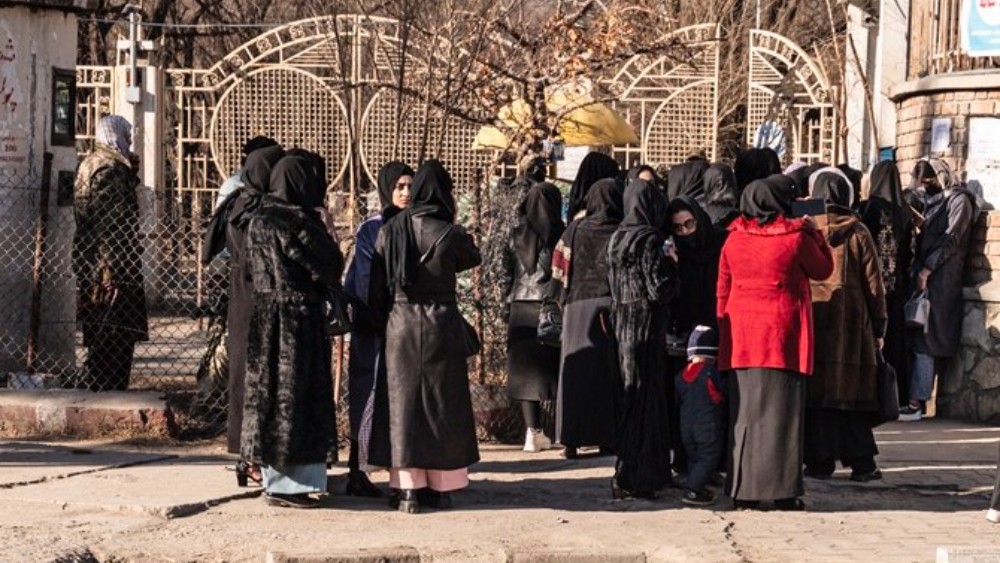
Abou Abdallah writes that Afghanistan has become the only country in the world where girls are banned from secondary and university education, while women are excluded from most jobs, public spaces and decision-making.
She says, “These restrictions are not isolated policies but part of a broader structure that controls every aspect of women’s lives.”
According to the writer, “The Taliban have gradually dismantled women’s rights through dozens of decrees since regaining power in August 2021.”
She argues that Afghan women are now deprived of the right to study, travel freely, participate in politics, visit parks or gyms, and even leave their homes without severe restrictions.
Abou Abdallah says, “The world should stop viewing these measures as cultural or religious differences and recognize them as institutionalized gender oppression.”
She warns that engaging with the Taliban without demanding accountability risks legitimizing what many rights groups describe as gender apartheid.
Resilience of Afghan women
The article also highlights the resilience of Afghan women who continue to resist despite intimidation, arrests and violence.
The writer says many women are teaching girls in secret schools, running home-based businesses and documenting abuses even though doing so puts their lives at risk.
She describes their resistance as evidence that Afghan women have not surrendered despite relentless repression.
The concerns raised in the opinion article extend beyond education.
A UNICEF analysis published in April warned that continued restrictions on girls' education and women's employment could leave Afghanistan short of up to 20,000 women teachers and 5,400 health workers by 2030, while female representation in the civil service fell from 21% to 17.7% between 2023 and 2025.
UNICEF also estimated that restrictions on education and women's participation in the workforce are costing Afghanistan about $84 million annually in lost economic output, with the impact expected to deepen over time.
UNESCO and UNICEF have likewise described Afghanistan as the only country where secondary and higher education is prohibited for girls and women, saying the ban has already kept millions of girls out of school.
UNAMA has also continued to report restrictions affecting women and girls beyond education and employment.
Its latest human rights monitoring includes reporting on the enforcement of restrictions in Herat, while the mission has repeatedly called for measures that protect the rights of women and girls.
The international assessments provide broader context to Abou Abdallah's argument, while her characterization of the Taliban's policies remains an opinion expressed in The Guardian.
The opinion piece comes as international concern over women's rights in Afghanistan continues to grow, with UN agencies warning that restrictions on education, employment and participation in public life are carrying significant social and economic consequences.